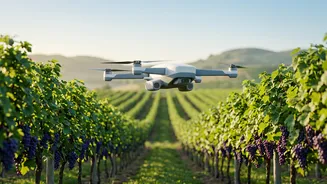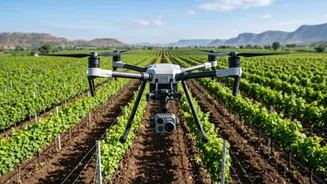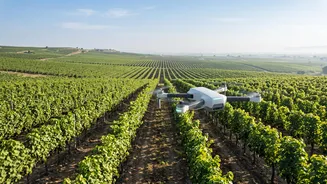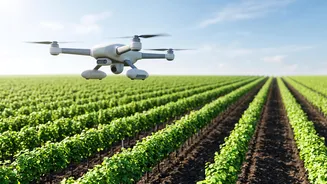





The Dawn of See-and-Spray Farming
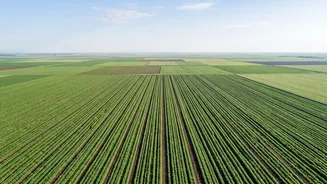
Traditional farming often involves broadcast spraying, where herbicides are applied across an entire field to control weeds. This method, while effective, is expensive and can lead to significant chemical waste. Enter a new era of precision agriculture
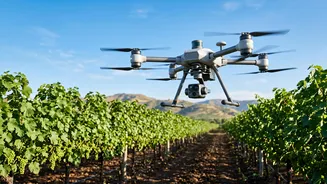
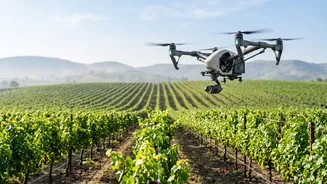
powered by autonomous robots. These aren't just remote-controlled machines; they are intelligent systems equipped with advanced cameras and processors that can 'see' a field, distinguish a cotton plant from a weed, and make decisions in real time. This technology, often called 'see-and-spray,' allows for the targeted application of herbicides only where they are needed, a revolutionary shift from blanket treatments.
What is Edge AI and Why It Matters
The 'brain' behind these smart robots is Edge AI. Unlike cloud-based AI, which sends data to a remote server for processing, Edge AI performs its calculations directly on the device itself. This is critical for agriculture, where internet connectivity can be unreliable. An autonomous robot in a sprawling cotton field can't afford to wait for instructions from the cloud. With Edge AI, the robot's onboard computer vision system analyzes camera feeds instantly, identifies a weed, and triggers a sprayer nozzle in a fraction of a second. This localised decision-making is what makes real-time, in-field automation possible, enabling the robot to work efficiently without human intervention or a constant internet link.
Precision That Pays Off
The economic benefits are staggering. By applying a micro-dose of herbicide directly onto a weed instead of the entire crop row, these AI-powered systems can dramatically reduce chemical usage. Research and field trials have shown that this targeted approach can cut herbicide use by anywhere from 50% to over 90% compared to traditional broadcast methods. For a cotton farmer, this translates directly into significant cost savings on one of their biggest expenses. Some systems have demonstrated an average savings of over $12 per acre after licensing fees. This reduction in inputs means farmers can potentially see a return on their investment in just a few seasons.
More Than Just Cost Savings
The advantages extend far beyond the balance sheet. Reducing herbicide volume has a profound environmental benefit, leading to less chemical runoff into soil and waterways. It also improves crop health, as the cotton plants are spared from unnecessary chemical exposure that can sometimes cause stress or damage. Furthermore, this technology helps combat the growing problem of herbicide-resistant weeds. By enabling farmers to use different, more targeted chemical mixes in a single pass, these robots offer a more strategic and sustainable approach to weed management. Some systems are even pioneering chemical-free alternatives, using lasers or mechanical tools to eliminate weeds.
The Future for Indian Agriculture
For India, one of the world's largest cotton producers, this technology holds immense potential. The pressure to increase yields while managing rising input costs is immense for farmers. Automated, precision systems could help make cotton cultivation more profitable and sustainable. While the initial investment can be substantial, some companies are developing retrofit solutions that can be added to a farmer's existing sprayer, lowering the barrier to entry. As the technology becomes more accessible, it could empower Indian farmers to reduce their reliance on manual labour for weeding, improve resource management, and increase the overall efficiency and resilience of their operations in the face of climatic and economic challenges.