


Paradise and its Perils
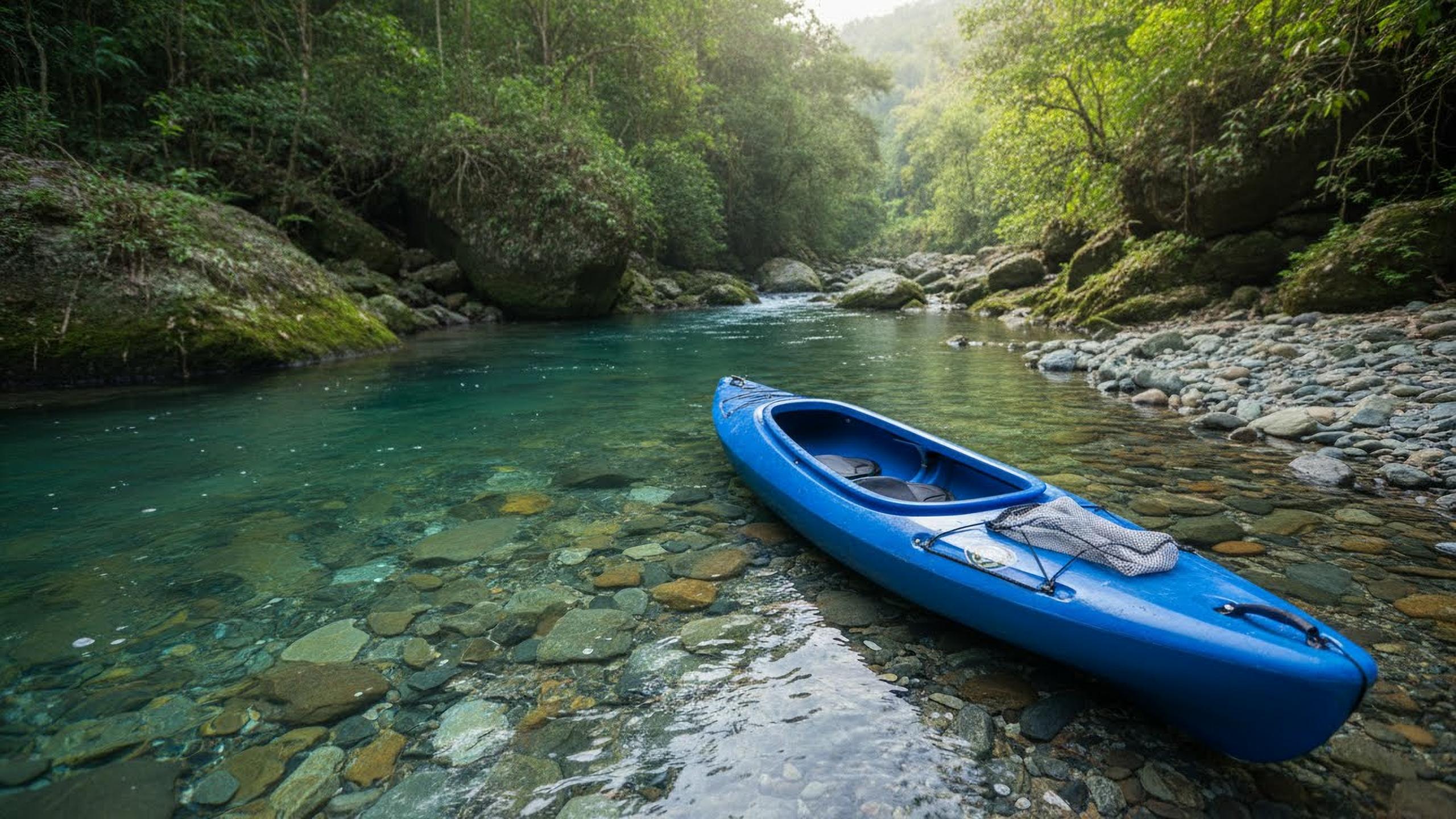
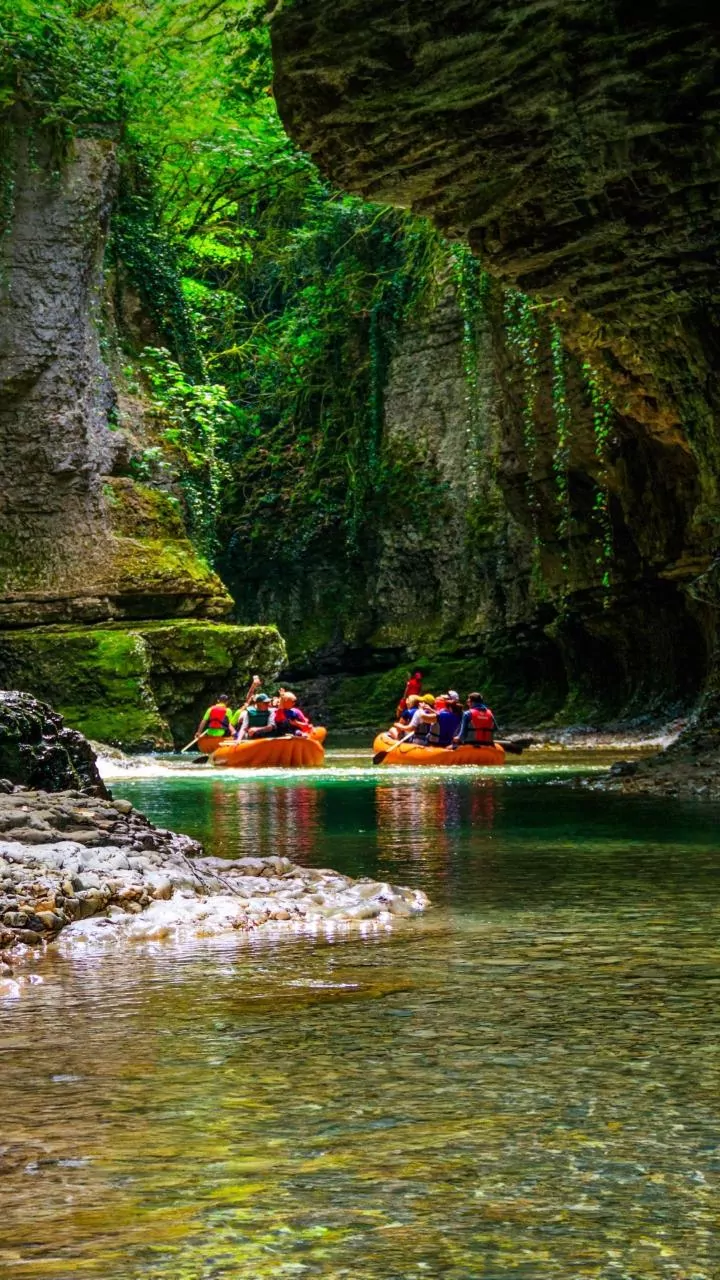
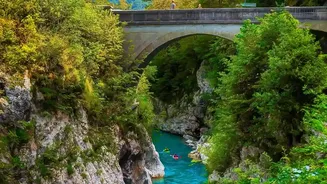
For years, images of boats seemingly floating on air have defined Meghalaya's Umngot River. Located near the border town of Dawki, the river's unbelievable transparency has made it a bucket-list destination, drawing tourists from across the globe. This
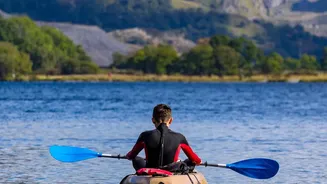
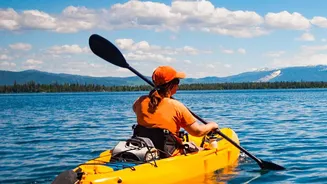
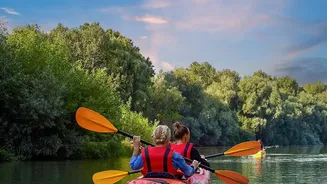
influx of visitors, along with activities like kayaking, camping, and boating in nearby villages like Shnongpdeng, has become the backbone of the local economy. However, this success has brought a significant challenge: pollution. The very spots celebrated for their pristine beauty are now threatened by plastic bottles, food wrappers, and other waste left behind. The issue became alarmingly clear in late 2025 when parts of the Umngot turned murky due to construction debris, causing tourism to plummet and highlighting the delicate balance between commerce and conservation.
Paddles with a Purpose
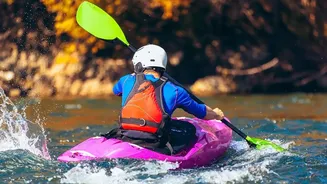
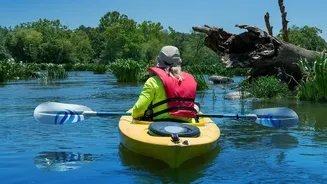
In response to this growing threat, a heartening trend has emerged. Local tour operators and guides have started integrating river cleanup drives directly into their adventure activities. Instead of just being passive observers, tourists are now invited to become active participants in preserving the natural beauty they've come to admire. On these tours, kayakers are equipped with bags and tools to collect litter they find floating in the water or along the riverbanks. It’s a simple yet powerful idea: combine the thrill of adventure with the satisfaction of making a tangible, positive impact. This initiative transforms a standard kayaking trip into a mission, fostering a deeper connection between the visitor and the environment.
The Rise of Regenerative Travel
This movement in Meghalaya is part of a broader shift towards regenerative tourism—an approach that aims to leave a place better than you found it. It moves beyond the passive 'leave no trace' philosophy to one of active contribution. For the local communities in places like Shnongpdeng and Mawlynnong, which has long been celebrated as Asia's cleanest village, environmental stewardship is a way of life. By involving tourists in cleanup efforts, operators are not just cleaning the rivers; they are educating visitors about the fragility of these ecosystems. It builds a sense of shared responsibility, reminding everyone that these natural wonders are not just attractions to be consumed but habitats to be protected. The state government and other bodies are also championing these efforts, promoting community-led tourism that empowers local guardians of the land.
A Ripple Effect of Change
The impact of these cleanup tours extends far beyond a few bags of collected trash. For tourists, the experience is often transformative. It reframes their vacation, adding a layer of purpose and turning them into advocates for conservation long after they've returned home. The visibility of these cleanups also raises awareness among other visitors and reinforces the importance of responsible behaviour. For the local community, it provides a practical solution to a persistent problem, helping to safeguard the natural resources their livelihoods depend on. While a single kayaking trip won't solve the entire pollution problem, the collective effort of hundreds of conscious travellers sends a powerful message and creates a culture of accountability.