




In running and swimming, we often focus on legs, arms, and pace. But the unsung hero of endurance is your breath. The way you breathe on the track and in the pool are worlds apart, and mastering each is key to unlocking your potential.
The Rhythm of the Road: Breathing While Running
When running, you
have constant access to a sea of oxygen. The primary challenge isn't when to breathe, but how. The most efficient technique is diaphragmatic breathing, or 'belly breathing'. Instead of taking shallow sips of air into your chest, this method involves engaging your diaphragm to pull air deep into your lungs. This delivers more oxygen per breath, reduces strain on your shoulders, and can even lower your heart rate at the same pace. Many experienced runners adopt a rhythmic breathing pattern coordinated with their footfalls. A common pattern for easy runs is the 3:2 ratio: inhaling for three steps and exhaling for two. This five-step cycle ensures you alternate which foot hits the ground at the start of an exhale, distributing impact stress more evenly across your body and potentially reducing side stitches.
The Aquatic Challenge: Breathing in the Water
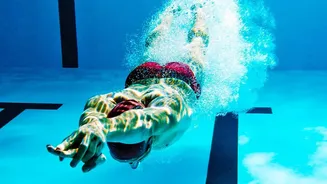
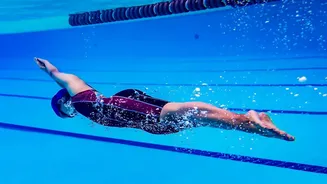
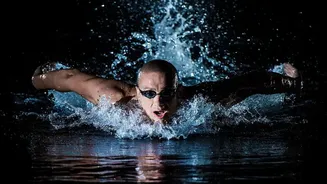
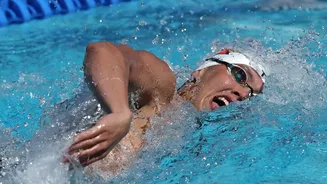
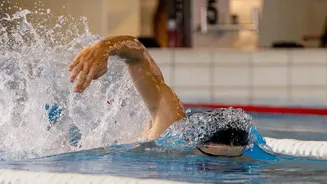
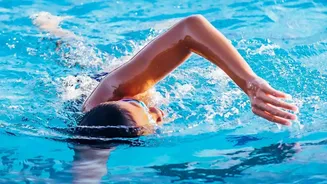
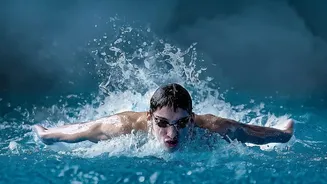
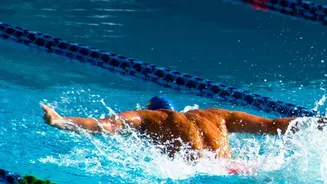
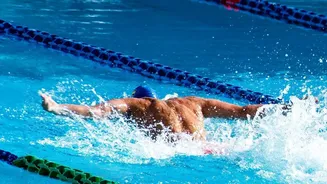
Swimming turns breathing into a technical skill governed by strict constraints. Your access to air is limited to brief windows when your mouth clears the water. This makes the technique fundamentally different from running. The golden rule is to exhale continuously and completely underwater, so you are ready for a quick inhale the moment you rotate to breathe. Holding your breath is a common mistake that leads to a build-up of carbon dioxide, causing panic and fatigue. The breathing motion itself should be part of your body's natural rotation, not an independent head lift. Lifting your head high creates drag, causing your hips and legs to sink. Many coaches teach bilateral breathing—alternating breathing to both the left and right sides, often in a pattern of breathing every three strokes—to promote a balanced, symmetrical stroke.
Environment and Body Position: Why They Differ
The core difference boils down to two factors: the environment (air vs. water) and your body's position. Running is an upright, weight-bearing activity where breathing can be continuous and demand-driven. Your diaphragm can move freely, and your primary goal is rhythm and depth. In contrast, swimming is a horizontal activity in a resistant medium. Water pressure on your chest and abdomen adds a layer of resistance to breathing, essentially strengthening your respiratory muscles over time. Furthermore, breathing in swimming must be perfectly timed with your arm strokes and body roll to avoid disrupting your streamlined position and creating performance-killing drag. While a runner's breath is a constant engine, a swimmer's is a series of controlled, explosive gas exchanges integrated into a complex movement.
How to Improve Your Running Breath
To master belly breathing, practice it while lying on your back. Place one hand on your stomach and one on your chest. As you inhale slowly through your nose, focus on making the hand on your stomach rise while the one on your chest stays still. Once you're comfortable, try it while walking, and then incorporate it into the beginning of your easy runs. Don't try to force it, especially during hard efforts at first. For rhythmic breathing, start by counting your steps on an easy jog. Try inhaling for three steps and exhaling for two. It may feel awkward initially, but this pattern can become second nature and a powerful tool for gauging your effort.
Tips for Better Breathing in the Pool
For swimmers struggling with breath control, the first step is to get comfortable exhaling underwater. Practice by holding onto the side of the pool, taking a breath, putting your face in the water, and blowing a steady stream of bubbles. To learn proper rotational breathing, use a kickboard. Hold it with one hand, kick on your side, and practice rotating your head to breathe without lifting it. Remember the goal is to turn your head just enough for your mouth to clear the water in the small trough created by your forward motion—one goggle should ideally stay in the water. As you become more advanced, you can work on bilateral breathing to develop a more balanced and efficient stroke for training, even if you revert to breathing on one side during a race.