





A Shift in the Traveller's Mindset
The post-pandemic traveller is different. There's a growing appetite for experiences that are authentic, sustainable, and far from the madding crowds. According to a NITI Aayog report, a staggering 69% of travellers now prefer exploring lesser-known destinations.
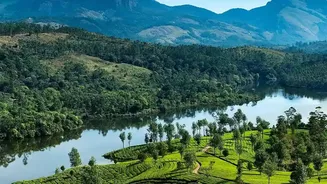
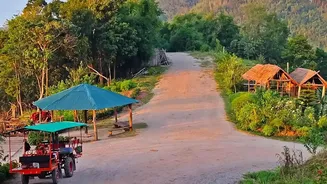
This isn't just about avoiding queues; it's a conscious choice to connect with nature, engage with local communities, and travel more responsibly. The demand is shifting from checklist-style visits to immersive journeys, with people wanting to slow down and truly absorb a place. This has opened the door for homestays, eco-lodges, and community-led tourism initiatives to thrive, offering a genuine alternative to traditional hotels.
Government Schemes Paving the Way
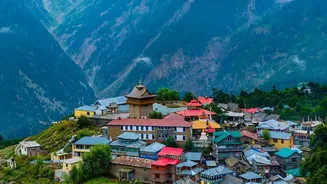
This grassroots movement is receiving a significant top-down push. The government's 'Vibrant Villages Programme' is a game-changer, aiming to develop remote border villages into self-reliant hubs. Rather than seeing them as the last posts of the nation, the policy reframes them as India’s 'first villages'. With a massive outlay, the programme is funding all-weather roads, better connectivity, and hundreds of tourism-specific projects like viewpoints, trekking routes, and eco-resorts in states from Arunachal Pradesh to Uttarakhand. The goal is to create sustainable local livelihoods, reduce migration to cities, and turn these stunning but isolated areas into viable tourist destinations.
The Rise of Village and Homestay Tourism
Imagine waking up in a village in the Himalayas, sharing a meal with a local family, and learning about their way of life. This is the promise of rural and homestay tourism, a sector seeing explosive growth. It’s a model that benefits everyone. Travellers get an unparalleled cultural experience, and the income flows directly into the local economy, empowering communities and helping to preserve traditional skills. State governments are also stepping up. Uttar Pradesh, for example, has identified over 200 villages to be developed as tourism centres, supporting the creation of hundreds of farm stays and homestays. This low-investment, high-impact model is proving to be a scalable solution for expanding accommodation in areas where traditional hotels are scarce.
Wildlife Beyond the Big Names
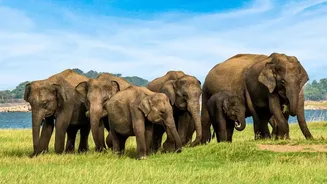
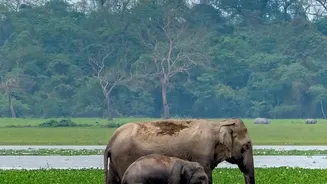
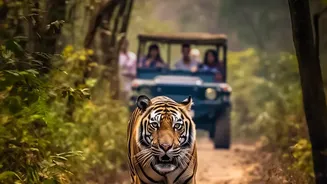
Indian wildlife tourism is also evolving. While famous tiger reserves like Ranthambore and Corbett will always be popular, the spotlight is expanding to lesser-known parks and sanctuaries. Destinations such as Satpura in Madhya Pradesh and reserves in the Northeast are gaining traction among travellers looking for deeper, more exclusive wildlife encounters. The focus is shifting from just a tiger sighting to a more holistic experience that includes birding, nature walks with local guides, and understanding conservation efforts. Branded operators are entering these new territories, developing high-quality lodges that operate sustainably and contribute to the protection of the habitat and the well-being of surrounding communities.
Building Sustainably for the Future
This emerging tourism boom holds immense promise, but it also comes with challenges. The key is to ensure that development is sustainable. Unchecked growth could lead to the very problems travellers are trying to escape: overcrowding, environmental degradation, and the erosion of local culture. The path forward requires careful planning, with a focus on community-owned and operated enterprises that keep the benefits local. It means building infrastructure that is eco-friendly, managing waste effectively, and ensuring that the authenticity that makes these places special is preserved. The success of this new wave of tourism will depend on finding the right balance between accessibility and conservation.