


The Right Foundation: Pots and Soil
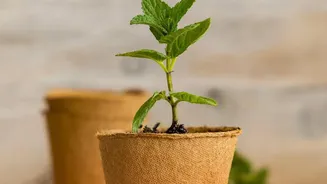
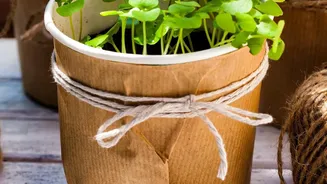
Before you begin planting, setting up the right environment is key. Choose pots that are at least 6-8 inches deep and wide, and most importantly, have drainage holes at the bottom. This prevents water from logging at the roots, which can be fatal for herbs.
When it comes to soil, avoid using dense garden soil. Instead, opt for a light, well-draining potting mix. Most commercially available all-purpose potting soils work well for herbs like Tulsi, mint, and coriander. These mixes typically contain ingredients like peat moss, coco coir, and perlite, which provide the right balance of moisture retention and aeration for healthy root growth.
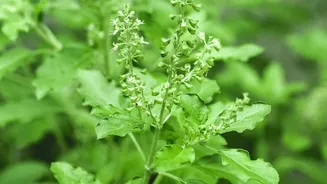
Growing Tulsi (Holy Basil)
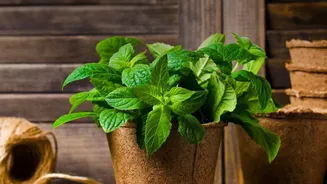
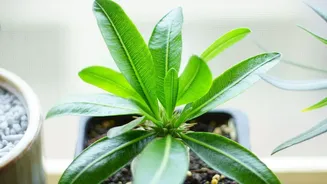
Tulsi is a staple in many Indian households and can thrive indoors with proper care. This sun-loving plant needs at least 4-6 hours of sunlight daily, making a south-facing windowsill an ideal spot. If natural light is limited, you can supplement with a grow light. Plant seeds or a small cutting in your pot, ensuring the soil is moist but not waterlogged. During winter, Tulsi's growth slows, so it requires less water. Check the soil, and only water when the top inch feels dry to the touch. Protect the plant from cold drafts, as it prefers warmer temperatures, ideally between 18°C and 29°C. Pinching off flowers as they appear will encourage the plant to produce more leaves.
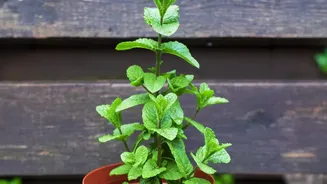
Cultivating Mint (Pudina)
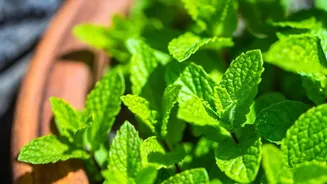
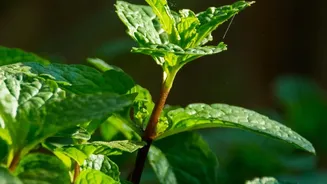
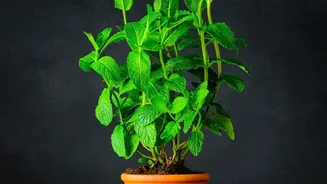
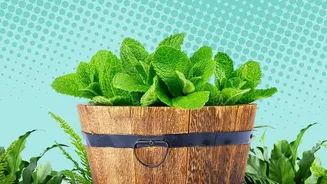
Mint is famously easy to grow and a perfect candidate for a windowsill garden. In fact, it's often recommended to grow mint in a container, as its roots spread aggressively. A pot that is wide (at least 8-10 inches) is more important than depth. Mint is not as demanding about sunlight as Tulsi and can do well with 4-6 hours of bright, indirect light. You can start from seeds or, for a quicker result, plant a cutting from an existing mint plant. Keep the soil consistently moist but not soggy. Mint is quite resilient and will reward you with a continuous supply of fresh leaves for your chutneys, teas, and garnishes. Regular harvesting by pinching off the top leaves will encourage bushier growth.
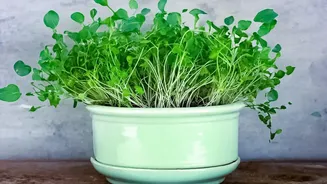
Planting Coriander (Dhania)
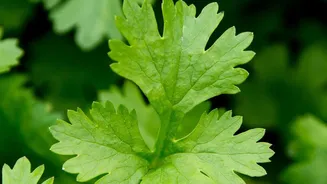
Fresh coriander is essential in Indian cooking, but it can be tricky to grow indoors because it tends to bolt (flower prematurely) in hot weather. Winter is actually an ideal time to grow it indoors. It's best to sow coriander seeds directly into the pot where they will grow, as they don't like to be transplanted. For better germination, you can gently split the coriander seeds and soak them in water for about 24 hours before planting. Sow the seeds about a half-inch deep in the soil and water gently. Coriander prefers a spot with around 4-5 hours of sunlight. Keep the soil moist. You should be able to make your first harvest in about 30-40 days by snipping the outer leaves, allowing the inner leaves to continue growing.
Winter Care and Harvesting Tips
Indoor winter gardening has its own set of rules. Since indoor air can be very dry, especially with heaters running, you may need to increase humidity. You can do this by misting your plants daily or placing their pots on a tray filled with pebbles and water. Rotate your pots every few days to ensure all sides of the plant get light, promoting even growth. When it comes to watering, the golden rule is to check the soil first. Overwatering is a common mistake. Allow the top inch of soil to dry out before watering again. Harvest your herbs regularly, but don't take more than one-third of the plant at a time. This encourages new growth and ensures your plants remain productive throughout the season.