






The Vertical World of a Cat
To understand the appeal of a climbing wall, we have to think like a cat. In the wild, their ancestors used high vantage points for two key reasons: safety and strategy. From a high perch, a cat can spot potential threats long before they arrive. It's
a secure resting place, far from the chaos of the ground floor. At the same time, it’s the perfect spot to survey their territory and watch for potential prey. This hardwired instinct doesn’t just disappear because they live in a comfortable flat in Mumbai or a house in Bengaluru. Your cat’s desire to climb on top of the fridge or the almirah is a direct expression of this ancient need. By providing them with vertical space, you’re not just spoiling them; you’re catering to a fundamental aspect of their feline nature, reducing stress and boosting their confidence.
What Are Modular Cat Walls?
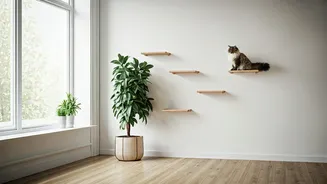
Unlike a traditional, bulky cat tree that occupies a significant chunk of floor space, a modular cat wall is a system of individual steps, shelves, perches, and sometimes even hammocks or scratching posts that you mount directly onto a wall. The “modular” aspect is key: you can buy as many or as few pieces as you like and arrange them in a custom configuration that suits your space and your cat's abilities. You can create a simple staircase leading to a favourite window, a complex network of pathways across an entire living room wall, or anything in between. This makes them an incredibly versatile solution, especially for modern Indian homes and apartments where maximising floor space is often a priority. They transform an unused vertical surface into a dynamic, interactive environment for your pet.
Benefits for Your Feline Friend
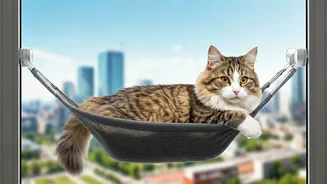
The advantages for your cat go far beyond simple fun. First, there’s physical exercise. Leaping from step to step engages their muscles, improves balance, and helps maintain a healthy weight—a crucial factor for indoor cats who may lead more sedentary lives. Second is mental stimulation. A cat wall is a puzzle to be solved. They have to plan their route, judge distances, and navigate the path you’ve created. This mental workout prevents boredom, which can often lead to destructive behaviours like scratching furniture or over-grooming. Finally, it provides a sense of territory and security. In a multi-pet household, having a high-up escape route can be a lifesaver for a timid cat, giving them a personal space where they feel untouchable.
A Smart Choice for Pet Parents
The benefits aren't just for the cat. As mentioned, the space-saving element is a huge win. You can create an elaborate cat playground without sacrificing a single square foot of your living area. Many modern systems are also designed with aesthetics in mind, featuring clean lines and natural wood finishes that can complement your home decor rather than clash with it. Think of it as functional art for your cat. Furthermore, by giving your cat a designated (and more interesting) place to climb and scratch, you can often redirect their attention away from your curtains, sofa arms, and other expensive furniture. It's a proactive way to manage their behaviour by providing a better alternative.
Things to Consider Before You Build
Before you start drilling, take a moment to plan. First, assess your walls. Are they solid brick or hollow drywall? Ensure you have the right anchors and supports to hold your cat's weight securely. Safety is paramount. Second, think about your cat's age and agility. A senior cat might appreciate a simple, short staircase with wider steps, while a young, energetic kitten would love a more challenging, parkour-style course. Start small; you can always add more modules later as you observe what your cat enjoys. Look for durable materials like solid wood and natural sisal for scratching surfaces. Check the weight capacity for each component and ensure steps are placed at manageable distances to prevent falls and encourage confident climbing.