








The New Digital Heartland
The narrative that once centered on Delhi, Mumbai, and Bengaluru has decisively shifted. Today, the most significant growth in India's e-commerce sector is not coming from the bustling metros, but from thousands of smaller towns and cities. According
to a recent report, Tier 2 and 3 cities accounted for an astounding 66% of new D2C (direct-to-consumer) orders in the 2026 financial year. This isn't just about order volume; these markets also contributed 60% of the incremental growth in gross merchandise value (GMV), underscoring a real shift in purchasing power. Even during peak shopping seasons, the trend is clear. During the 2025 festive period, Tier 2 and 3 cities drove a majority of sales, with some reports indicating that Tier 3 cities alone accounted for over 50% of orders during Diwali. This geographic redistribution shows that aspiration and consumption are no longer confined to India's urban elite.
What's Fuelling the Fire?
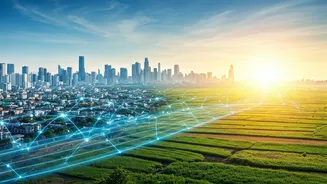
This boom is powered by a confluence of factors that have created a perfect storm for digital adoption. The availability of affordable smartphones and low-cost data plans has been a primary driver, bringing hundreds of millions of new users online. Government initiatives like Digital India and BharatNet have also played a crucial role by improving broadband connectivity in rural regions. The second major catalyst is the Unified Payments Interface (UPI). By simplifying digital transactions and removing payment friction, UPI has built trust and enabled micro-orders, reducing the reliance on cash-on-delivery, which was once a major hurdle. This digital infrastructure has solved the access problem, allowing a massive, previously underserved consumer base to enter the market.
New Shoppers, Different Playbooks
Companies are quickly learning that strategies designed for metro consumers cannot simply be copied and pasted. This new cohort of shoppers is value-conscious, digitally aware, and increasingly comfortable interacting in their native languages. Recognizing this, major platforms like Amazon and Flipkart have introduced vernacular language interfaces, with data showing a 162% increase in the use of regional languages for online shopping. Voice search is also surging, growing by 40% as it lowers the barrier for users who may struggle with typing. Beyond language, trust is paramount. This is where social commerce and video-based selling have found immense success. Platforms like Meesho have empowered millions of resellers, many of them women in smaller towns, to build businesses by leveraging community trust. Similarly, live commerce sessions on platforms like Instagram and YouTube create engagement and drive sales through real-time interaction.
The Logistics Revolution
Demand is only half the story; fulfillment is the other. Serving thousands of disparate pin codes has forced a revolution in logistics. The old model of large, centralized warehouses is giving way to a decentralized network of micro-fulfillment centers and dark stores embedded within smaller cities. This brings products closer to the customer, making same-day or next-day delivery a reality. However, challenges remain. Poor road connectivity, a lack of standardized addresses, and variable network coverage in remote areas still pose significant hurdles. To overcome this, logistics firms are using AI-driven route optimization, integrating local Kirana stores as pickup and drop-off points, and empowering delivery agents with apps that offer voice-based navigation in local languages.
A More Inclusive Digital Economy
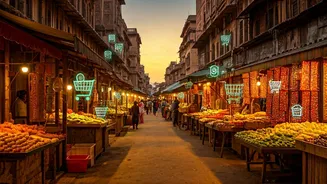
The expansion of e-commerce beyond the metros is more than a business trend; it's a driver of economic inclusion. It provides market access for rural artisans and small producers, allowing them to bypass middlemen and sell directly to a national customer base through programs like Flipkart Samarth. This shift is also democratizing access for consumers. A resident of Jamshedpur or Nagpur can now purchase luxury goods that were previously only available in a handful of metro showrooms. Even international travel bookings originating from Tier 2 and 3 cities are surging, with 63% of outbound travel now coming from these areas. This trend signifies a fundamental leveling of the playing field, where access to goods, services, and opportunities is no longer dictated by geography.