





The Expressway Effect
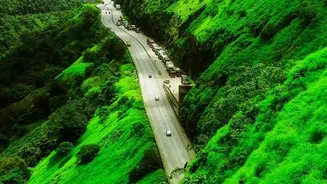
India is in the midst of an infrastructure revolution. A rapidly expanding network of world-class expressways and national highways is drastically cutting down travel times between major cities and regional towns. Journeys that once took a gruelling 10-12
hours can now be completed in 6-7 hours, making road travel a far more attractive proposition. Projects like the Delhi-Mumbai Expressway, Ganga Expressway, and others are not just easing traffic; they are opening up entirely new possibilities for weekend getaways and short breaks. According to recent travel data, while major routes like Mumbai-Pune and Delhi-Agra remain popular, the fastest growth is now seen on routes connecting to Tier-2 cities and leisure destinations that were previously considered too difficult to reach for a short trip.
Rethinking the Weekend
Alongside better roads, a cultural shift in the workplace is adding fuel to the travel fire. The rise of hybrid work models and a greater emphasis on work-life balance have made the 'long weekend' a cherished opportunity. Indians are increasingly planning their holidays around public holidays, strategically taking a day or two of leave to create three or four-day mini-vacations. Travel platforms have noted significant spikes in intercity bookings around long weekends, confirming that people are eager to use this time to escape the city. This trend has moved beyond the occasional big annual holiday towards more frequent, shorter, and often spontaneous trips that fit neatly into busy schedules.
New Destinations on the Map
This combination of accessibility and opportunity is putting a host of new and previously overlooked destinations on the domestic tourist map. Drivable getaways are booming, with travellers exploring hill stations, coastal towns, heritage sites, and spiritual centres that are now just a few hours' drive away. Destinations like Lansdowne near Delhi, Sakleshpur near Bengaluru, and Bhandardara near Mumbai are gaining popularity as alternatives to more crowded tourist spots. There's also a notable surge in travel to spiritual hubs like Ayodhya, Ujjain, and Varanasi, which have benefited from significant infrastructure upgrades that make them more accessible and accommodating for modern family travel. The growth is particularly strong in Tier-2 city corridors, such as Ahmedabad-Vadodara and Thrissur-Kochi, signalling a decentralisation of tourism away from just the major metro hubs.
A Boost for the Local Economy
This new wave of road-trippers is creating a powerful economic ripple effect. The demand for authentic and unique experiences has led to a boom in homestays, boutique hotels, and experiential villas. In 2022, the homestay segment in India saw a remarkable 85% growth, far outpacing the 25% increase in traditional hotels. These smaller, often locally-owned establishments offer a more intimate glimpse into the regional culture and are thriving in newly accessible areas. This shift benefits local entrepreneurs and communities directly, creating jobs and opportunities in regions that were previously bypassed by the tourism industry. From farm stays in Maharashtra to heritage properties in Rajasthan, travellers are seeking out more personal and immersive ways to experience their country.