



Why the Jade Plant is Your Perfect Desk Buddy
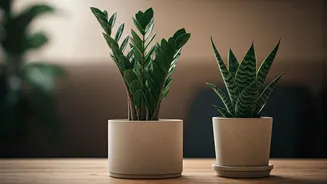
Before you start, let's talk about why the jade plant (Crassula ovata) is the ideal candidate for this project. First, it’s incredibly resilient and forgiving, making it perfect for beginners or busy professionals. It thrives on a bit of neglect and doesn't
need constant watering. Second, its succulent, glossy leaves and tree-like structure add a touch of sculptural beauty to any space. In many cultures, including in India where it's often linked to Vastu, the jade plant is considered a symbol of good luck and prosperity, making it a wonderful source of positive energy for your work environment. Finally, and most importantly for our 'free' mission, jade plants are ridiculously easy to propagate from a single leaf or stem cutting.
How to Source Your Plant for Free
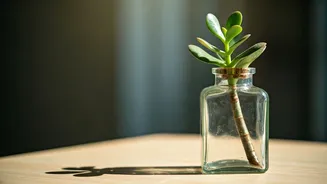
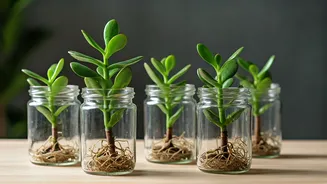
The key to doing this for free is propagation. If you already have a jade plant, you're set. If not, ask a friend, neighbour, or family member who has one for a small cutting. Most plant lovers are happy to share. All you need is a healthy stem cutting that’s about 3-4 inches long with a few leaves on it. Once you have your cutting, let it sit in a dry, shaded spot for a few days. This allows the cut end to 'callous' over, which prevents it from rotting when you plant it. You'll notice a dry film form over the cut—that's when it's ready for its new home. This simple step is crucial for success and ensures your new plant gets the best possible start in life.
Choosing and Prepping Your Upcycled Mug
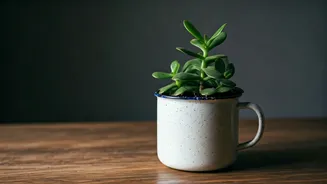
Now, raid your kitchen cabinet for a mug you no longer use. A chip on the rim, a faded design—these imperfections add character. Choose a standard-sized coffee mug; anything too small will restrict root growth. The single biggest challenge with using a mug as a planter is the lack of drainage holes. To solve this, create a drainage layer. Place a one-inch layer of small pebbles, gravel, or even broken pieces of a terracotta pot (thikri) at the bottom of the mug. This creates a reservoir where excess water can collect without waterlogging the plant's roots, which is the most common reason succulents fail. This simple hack makes your no-drainage pot work.
Planting Your New Green Companion
With your mug prepped, it's time to plant. You'll need a well-draining potting mix. If you have some from other houseplants, that works. For best results, use a cactus or succulent mix. You can also make your own by mixing regular potting soil with sand or perlite to improve aeration. Fill the mug about two-thirds full with the soil mix on top of your pebble layer. Now, take your calloused jade cutting and gently push the cut end about an inch deep into the soil. Pat the soil down lightly around the stem to secure it. Don't water it immediately! Wait about a week before giving it its first light watering. This encourages the cutting to send out roots in search of moisture.
Care, Placement, and Styling
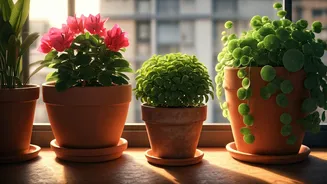
Place your new jade plant on your desk where it can receive several hours of bright, indirect sunlight. A spot near a window but not in the direct, harsh glare is perfect. When it comes to watering, less is more. Wait until the soil is completely dry to the touch, and then give it just enough water to moisten the soil—don't drench it. Since there's no drainage hole, it’s better to under-water than over-water. Style it on your desk next to your pen stand or behind your laptop to create a refreshing focal point. It’s more than just a plant; it's a small, living sculpture that you brought to life, a testament to creativity and a daily reminder of growth.