

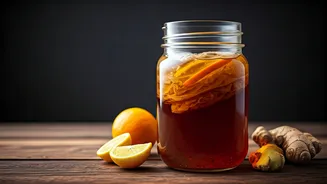



The Monsoon-Gut Connection
The rainy season creates a perfect breeding ground for harmful bacteria and viruses. The high humidity can make our digestive system sluggish and more susceptible to infections like diarrhoea and food poisoning. Contaminated water and food are major concerns,
making it a critical time to focus on gut health. A healthy gut is the frontline of your immune system, and keeping it balanced can make all the difference in staying well during this challenging season.
What Are Probiotics and Why Do They Matter?
Probiotics are live, beneficial bacteria that support the health of your gut microbiome—the ecosystem of trillions of microbes in your digestive tract. A balanced microbiome aids digestion, enhances nutrient absorption, and plays a crucial role in regulating your immune response. By reinforcing your gut with these friendly bacteria, you can help crowd out harmful pathogens, effectively creating a natural shield against common monsoon ailments. While supplements exist, homemade probiotic drinks are a natural, affordable, and delicious way to get your daily dose.
Meet Your DIY Probiotic Champions
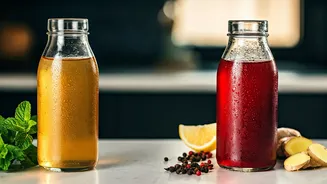
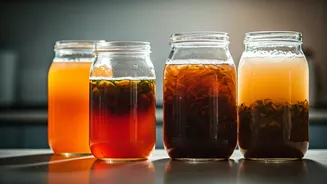
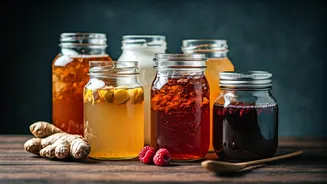
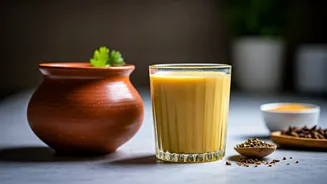
Making probiotic drinks at home is easier than you think. Many are modern trends, while others are rooted in Indian tradition. Kombucha is a fermented tea that has become globally popular. Water kefir is a lighter, caffeine-free alternative made from sugar water and kefir grains. And then there are India's own powerhouses: Kanji, a tangy North Indian drink made from fermenting carrots or beetroot, and the ever-present Chaas (buttermilk), a simple yet effective probiotic staple in many homes.
Kanji: The Desi Fermented Elixir
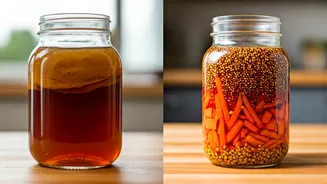
Kanji is a traditional North Indian drink, historically made with black carrots. It's a salty, sour, and pungent beverage that is fantastic for digestion. To make it, you simply need carrots (black or regular, often with some beetroot for colour), water, salt, and coarsely ground mustard seeds. The ingredients are combined in a glass jar and left in a sunny spot for a few days to ferment. The mustard seeds not only add flavour but also have antimicrobial properties that help prevent bad bacteria from growing during fermentation. The result is a vibrant, tangy drink teeming with beneficial Lactobacillus bacteria.
Water Kefir: The Beginner-Friendly Fizz
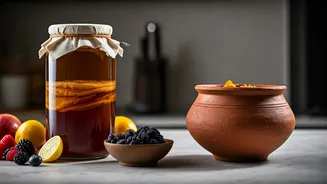
If you're new to fermenting, water kefir is a great place to start. It's generally considered easier and quicker to make than kombucha. You'll need water kefir grains (a type of SCOBY - Symbiotic Culture Of Bacteria and Yeast), which you can find online. The process is simple: dissolve sugar in filtered water, let it cool, and add the kefir grains. Cover the jar with a cloth and let it ferment at room temperature for 24-48 hours. After the first ferment, you can strain the grains and do a second fermentation with fruit juice, ginger, or herbs to create natural carbonation and flavour.
A Note on Safe Home Fermentation
While making your own ferments is generally safe, hygiene is non-negotiable. Always start with spotlessly clean hands, jars, and utensils to prevent contamination from unwanted moulds or bacteria. Use glass jars for fermentation, as the acidic nature of the drinks can leach harmful substances from certain ceramics or plastics. Follow reliable recipes and trust your senses. If a brew looks, smells, or tastes off—especially if you see fuzzy mould—it's always best to discard it and start over. When done correctly, home fermentation is a safe and rewarding process.