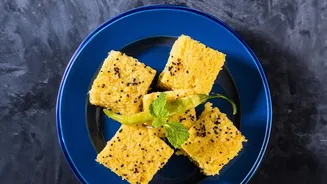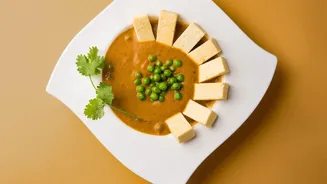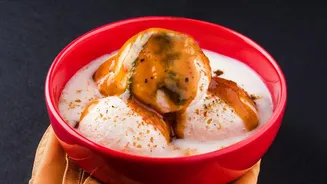

A Culinary Revolution on the Festive Table
Across India, a quiet but delicious revolution is taking place in home kitchens and professional patisseries. Traditional festive menus, long defined by recipes passed down through generations, are being reimagined with a global twist. The change is not
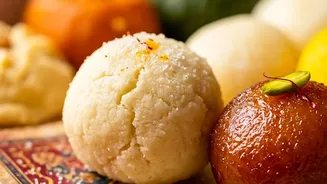
about replacing beloved classics like gulab jamun or flaky mathris, but about enhancing and experimenting with them. This culinary curiosity is leading to a fascinating fusion where international ingredients are welcomed into the fold of Indian tradition, creating dishes that are both novel and nostalgically comforting.
From Quinoa Kheer to Avocado Bhel
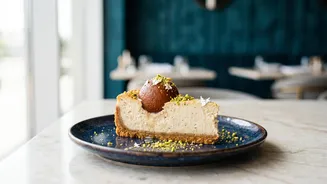
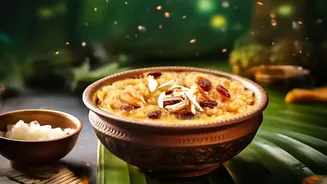
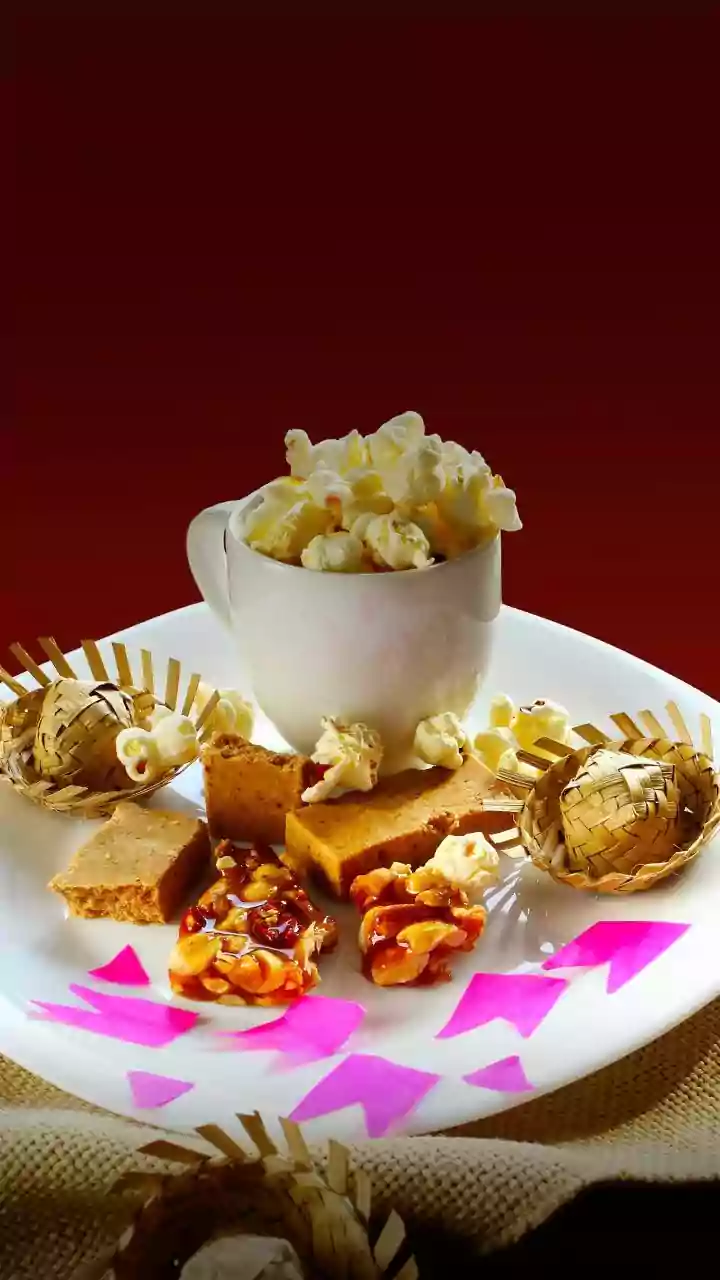
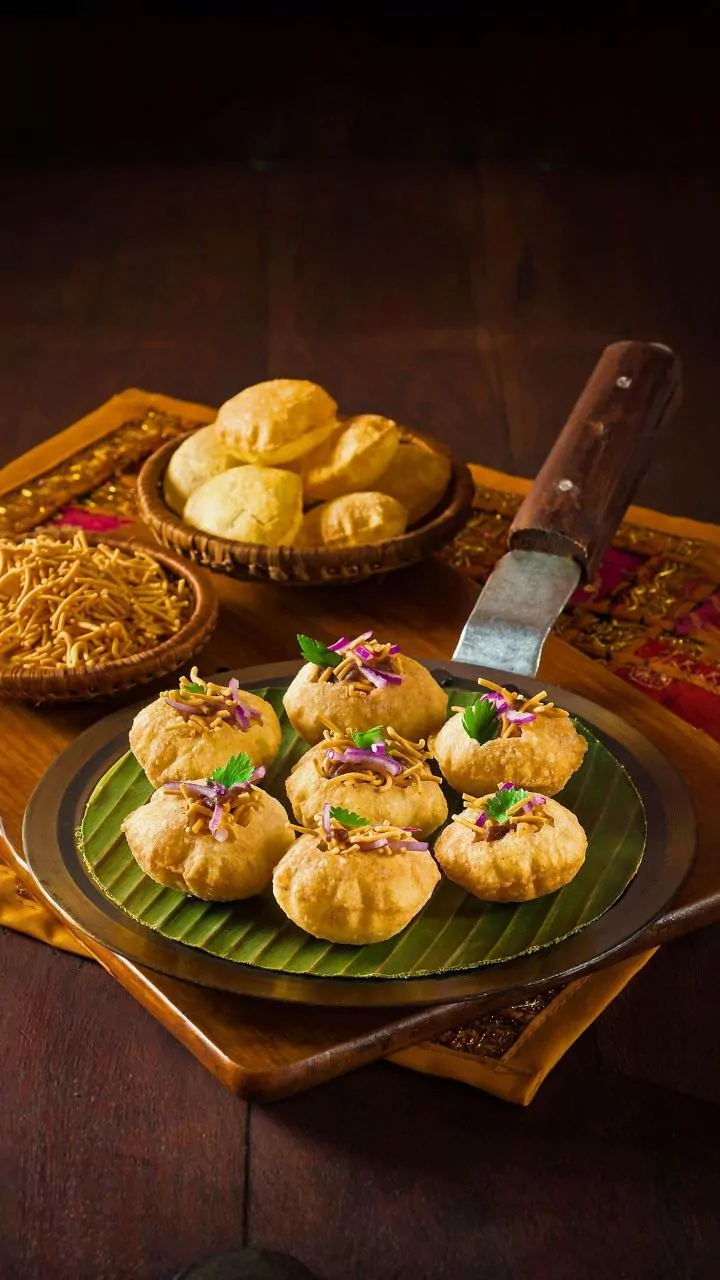
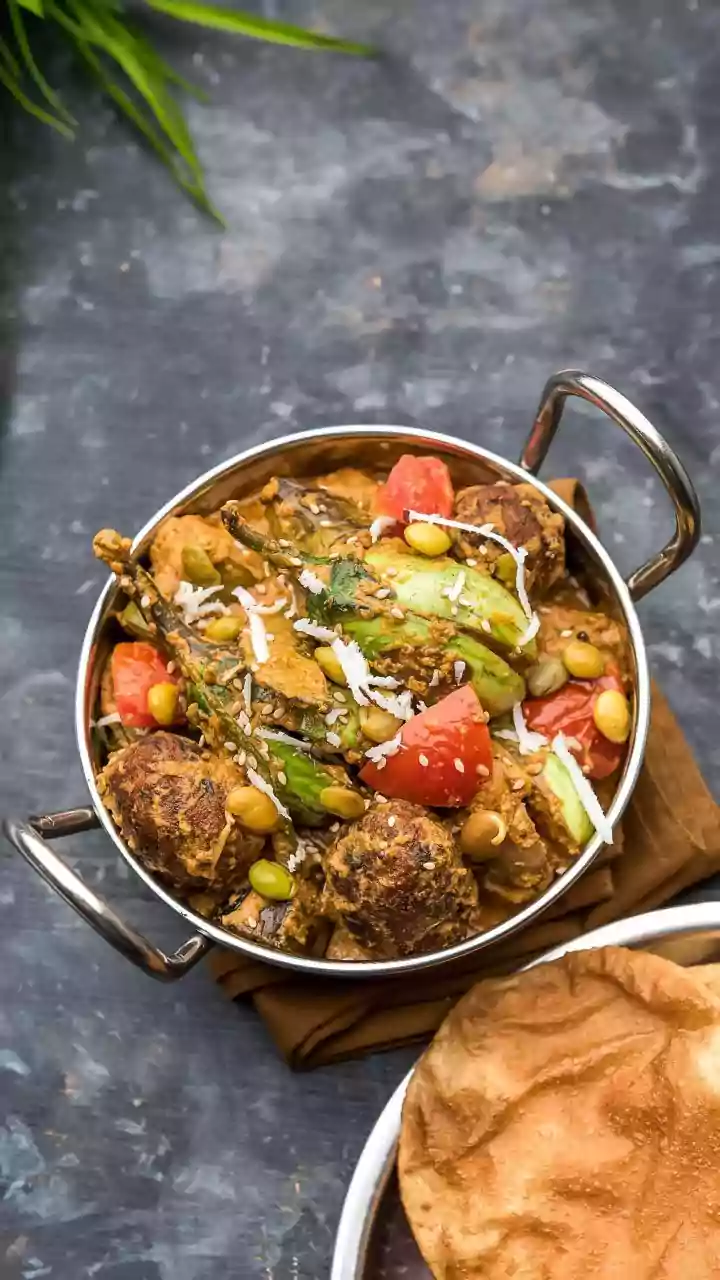
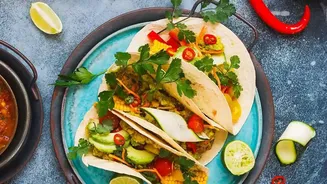
So, what does this fusion look like on a plate? Health-conscious grains like quinoa are being used to create modern versions of kheer and upma, offering a lighter alternative without sacrificing the core flavours. Creamy avocados, once relegated to salads and toast, are now being blended into chutneys, savoury dips for samosas, or even used to create a wholesome twist on bhel puri. Berries, dark chocolate, and cream cheese are finding their way into the heart of mithai, giving birth to creations like blueberry barfi, chocolate-filled gujiyas, and rasmalai-flavoured cheesecakes. These additions are not random; they are thoughtful pairings that respect the original dish's profile while introducing new textures and flavour dimensions. Chefs have noted that this approach allows them to preserve traditional tastes while adding a contemporary element that resonates with a modern audience.
What's Driving the Global Palate?
Several factors are stirring this pot of innovation. Firstly, the Indian palate is more global than ever. Increased international travel, a boom in food-focused media, and the endless scroll of social media have exposed home cooks and chefs to a world of flavours. Secondly, the accessibility of global ingredients has skyrocketed. A decade ago, finding quinoa or fresh cranberries was a challenge outside of major metros; now, they are readily available in supermarkets and through quick-commerce apps. This availability has empowered a new generation of culinary enthusiasts to experiment. According to a 2024 food trends report, a majority of culinary experts predict a significant rise in fusion sweets that blend international flavours with traditional Indian recipes. This reflects a growing desire for dishes that feel unique and shareable.
Chefs Lead, Home Cooks Innovate
Much of this trend has been spearheaded by innovative chefs in India and abroad who have been re-examining and modernising Indian cuisine. Chefs like Garima Arora and Gaggan Anand have gained global acclaim by masterfully combining Indian techniques with foreign ingredients, inspiring countless others. However, this movement is no longer confined to fine-dining establishments. Inspired by chefs and food bloggers, home cooks are feeling more confident to put their own spin on family recipes. The modern kitchen has become a playground where tradition is not a rigid set of rules but a foundation for creativity. This shift is also about making celebrations more inclusive, catering to different dietary preferences with vegan or low-sugar options that were once hard to imagine in the context of festive mithai.
An Evolution, Not a Replacement
It's important to see this trend not as an erosion of tradition, but as its natural evolution. The core of Indian cooking—its complex spice blends, slow-cooking techniques, and the balance of sweet, sour, and savoury—remains firmly in place. The introduction of a new ingredient is often a conversation between cultures on a plate. A Gulab Jamun Cheesecake still honours the rich, syrupy sweetness of the original dessert; it just presents it in a new form. This fusion speaks to the dynamism of Indian culinary culture, which has always been adept at absorbing and adapting outside influences. These new dishes are a testament to a cuisine that is confident in its roots yet open to the world.