




The Production Story: From Cane to Sweetener
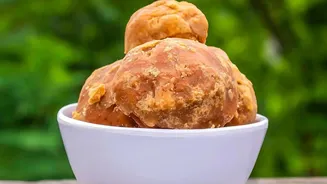
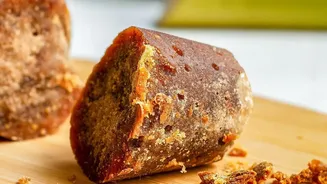
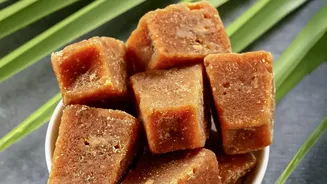
Both jaggery (gur) and white sugar originate from the same source: sugarcane juice. However, their journey from plant to pantry is vastly different. Jaggery is produced by boiling sugarcane juice until it thickens and solidifies. This minimal processing
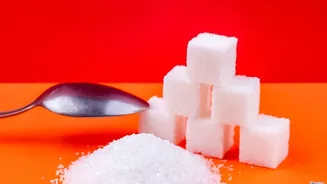
means it retains the natural molasses, which gives it its characteristic brown colour and flavour. White sugar, on the other hand, undergoes extensive industrial refining. This multi-stage process involves clarification, crystallization, and bleaching to strip away the molasses and all other compounds, resulting in pure, white sucrose crystals. This key difference in processing is the source of all subsequent nutritional and flavour distinctions.
The Nutrient Question: Does Jaggery Have an Edge?
Because it retains molasses, jaggery does contain trace minerals that are absent in white sugar. These include small amounts of iron, potassium, magnesium, and calcium. Some traditional production methods, which use iron pans, can also boost jaggery's iron content. While this makes jaggery more nutrient-dense than 'empty calorie' white sugar, the advantage is often overstated. To get a significant amount of these minerals, you would have to consume a very large quantity of jaggery, which would also mean a dangerously high sugar intake. In the small portions typically used, the mineral contribution is minimal.
The Calorie Count and Blood Sugar Impact
When it comes to calories, there is almost no difference between the two. A 100-gram serving of jaggery has about 383 calories, while the same amount of white sugar has about 387 calories. The most surprising fact for many is the impact on blood sugar. Contrary to popular belief, sugarcane jaggery has a higher glycemic index (GI) of around 84, while white sugar's GI is about 65. This means jaggery can raise blood sugar levels faster than white sugar, making it an unsuitable choice for people with diabetes. Neither sweetener is 'safe' for diabetics, and both should be consumed with extreme caution.
The Winter Wellness Connection
In many Indian households, jaggery consumption increases during winter. Traditional wisdom and Ayurveda consider it a 'warming' food that helps the body combat the cold. It's also traditionally consumed to aid digestion after heavy meals, boost immunity, and act as a remedy for coughs and colds. These benefits are often attributed to the minerals and antioxidants present in jaggery. While a small piece of gur after a meal is a long-standing cultural practice, it's important to remember that it is still fundamentally a sugar. The 'warming' effect is largely due to the quick energy it provides as the body burns calories.
The Final Verdict: Substitution vs. Moderation
So, is jaggery healthier than white sugar? Marginally, yes. It is less processed and contains a few extra nutrients. However, this slight nutritional edge does not make it a health food. The headline holds true: the darker colour, which indicates the presence of molasses, doesn't automatically grant a major health advantage. Both sweeteners are high in calories and sucrose, and both should be limited in a healthy diet. The real health benefit doesn't come from swapping white sugar for jaggery, but from reducing your overall intake of all added sugars. For flavour and tradition, especially in winter sweets like chikki or gajak, jaggery is an excellent choice. For health, moderation is the only winning strategy.