


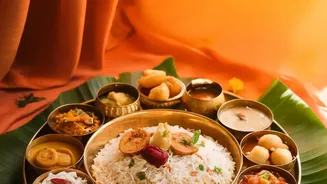
The Evergreen Sabudana Khichdi
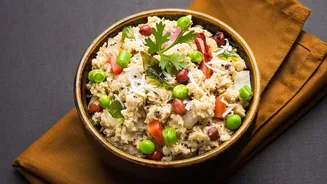
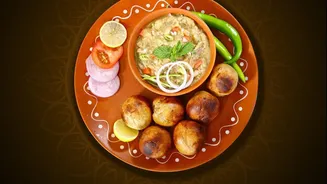
A staple in many Indian households during fasting seasons like Navratri, Sabudana Khichdi is a beloved choice for a reason. Made from tapioca pearls, this dish is a fantastic source of carbohydrates, giving you that much-needed energy boost to kickstart
your day. The classic preparation involves soaking the sabudana until it's soft and fluffy, then sautéing it with boiled potatoes, roasted peanuts, green chillies, and cumin seeds. A squeeze of lemon juice and a garnish of fresh coriander at the end elevates the flavour profile. The combination of soft sabudana, crunchy peanuts, and tender potatoes makes it a complete and satisfying meal that keeps you full for hours. It’s gluten-free and can be made with minimal spices, adhering perfectly to the principles of sattvic food consumed during a vrat.
Nutritious Kuttu ka Cheela
Kuttu ka atta, or buckwheat flour, is a powerhouse of nutrients and a popular grain alternative during fasts. A Kuttu ka Cheela, or savoury pancake, is a quick, light, and healthy breakfast option. The batter is made by mixing buckwheat flour with water, rock salt (sendha namak), and spices like chopped green chillies and cumin. To enhance its nutritional value and taste, you can add grated vegetables like bottle gourd (lauki) or boiled and mashed potatoes to the batter. Cooked on a tawa with a little ghee until golden and crisp, these cheelas are wonderfully light on the stomach. They pair beautifully with a simple mint or coconut chutney, offering a wholesome meal that won’t leave you feeling heavy.
Sweet & Comforting Singhare Atte ka Halwa
For those who prefer a sweet start to their day, Singhare ke Atte ka Halwa is a perfect choice. Singhara atta, or water chestnut flour, is another gluten-free ingredient widely used during fasting periods. This warm and comforting halwa is prepared by roasting the flour in ghee until it releases a nutty aroma and turns a lovely brown colour. It is then sweetened with sugar or jaggery and cooked with water or milk to a thick, pudding-like consistency. Garnished with sliced almonds and pistachios, this dish is not only delicious but also incredibly filling. Water chestnut flour is rich in potassium and low in sodium, making it a healthy indulgence that provides warmth and sustained energy. It’s a traditional treat that feels both decadent and nourishing.
Classic Aloo Sabzi with Rajgira Puri
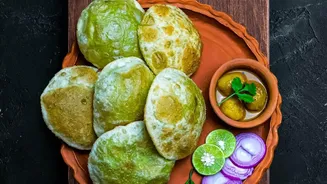
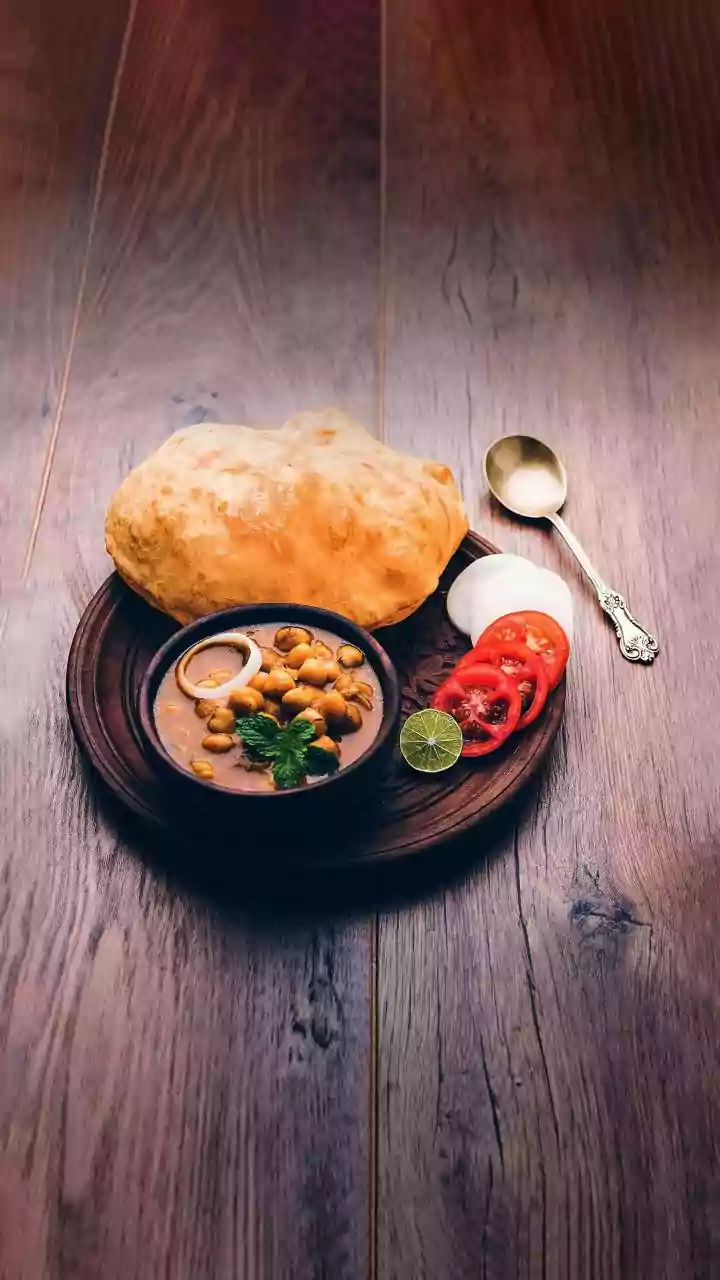
This combination is a classic vrat thali staple for a reason. Rajgira, or amaranth flour, is a high-protein, gluten-free grain that’s been a part of Indian fasting diets for centuries. Puris made from rajgira flour are paired with boiled potatoes, which bind the dough and make the puris soft yet crisp. These are typically served with a simple but flavourful potato curry, Vrat Ke Aloo. This sabzi is made without onion or garlic, using a base of tomatoes, ginger, green chillies, and seasoned with rock salt. The tangy curry perfectly complements the earthy flavour of the rajgira puris, creating a hearty and complete meal that feels festive and is sure to keep you energised through your fast.
Simple and Refreshing Fruit Chaat
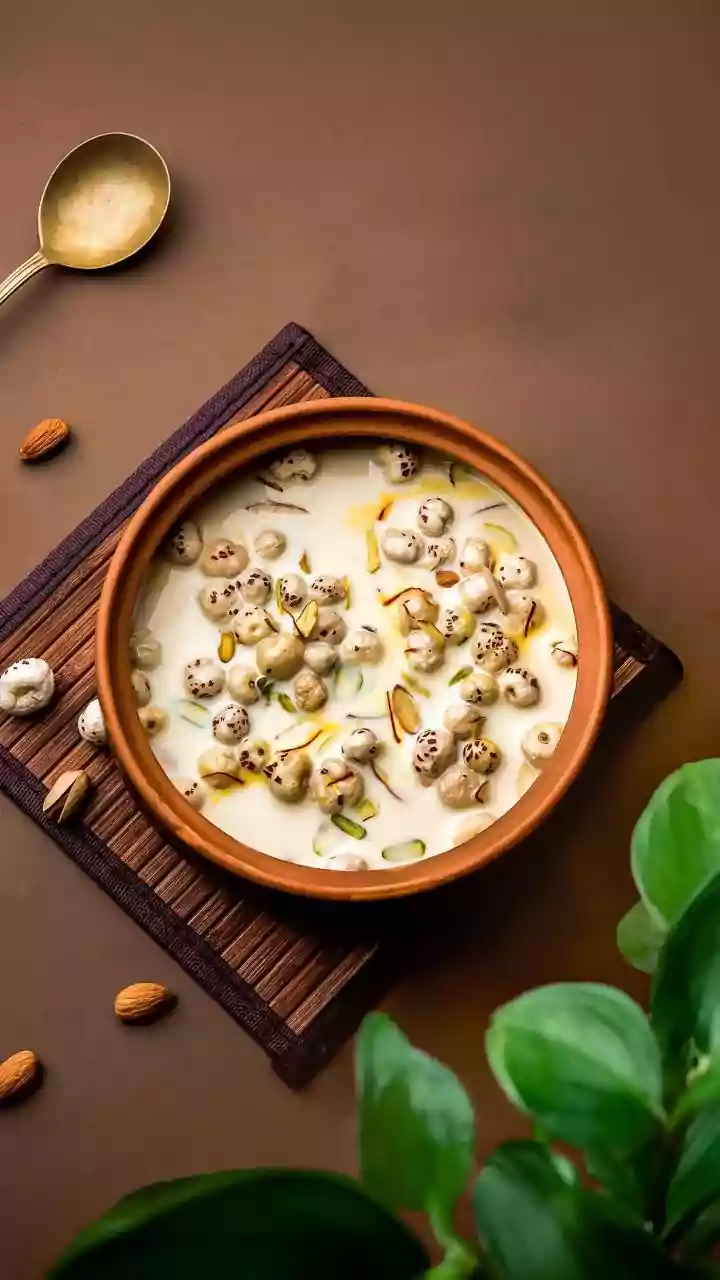
Sometimes, the best breakfast is the simplest one. A colourful bowl of fruit chaat is a no-cook, refreshing, and hydrating way to begin a fasting day. All fruits are permissible during a vrat, so you can mix and match your favourites like bananas, apples, pomegranate seeds, and melon. To make it more substantial, add a handful of nuts like almonds and walnuts for healthy fats and protein. A sprinkle of sendha namak and black pepper can be added for a tangy kick. You can also add a dollop of fresh yoghurt to make it creamier and more filling. This breakfast is light, easy to digest, packed with essential vitamins and minerals, and provides natural sugars for an instant energy lift without any processed ingredients.