

The Truth About Post-Festival 'Detox' Diets
After weeks of enjoying rich meals and traditional sweets, the temptation to jump onto a restrictive 'detox' or 'cleanse' is strong. However, nutrition experts warn that these quick fixes often do more harm than good. Drastically cutting calories or eliminating
entire food groups can lead to a metabolic slowdown, where your body starts conserving energy because it thinks it's starving. This makes weight regain more likely once you return to normal eating, a phenomenon often called the 'yo-yo effect'. Furthermore, most of the initial weight lost on such diets is water and muscle, not fat. These extreme regimens can also cause nutrient deficiencies, fatigue, dizziness, and disrupt hormones that regulate hunger, leaving you feeling hungrier and less satisfied in the long run.
Embrace the Balanced Plate Philosophy
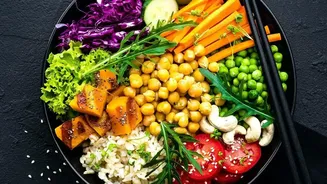
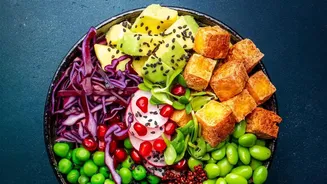
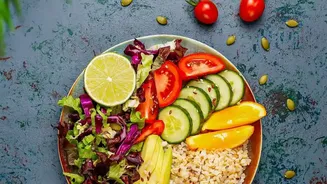
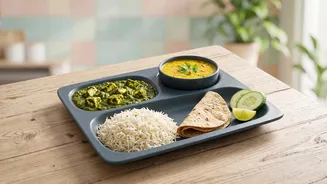
Instead of an all-or-nothing approach, experts recommend focusing on balance. A balanced plate during festival season is not only possible but beneficial. A simple guideline is the plate method: fill half your plate with vegetables or salad, a quarter with a lean protein source like dal, paneer, or chicken, and the remaining quarter with carbohydrates like rice or roti. This structure ensures you get essential nutrients, fibre, and protein, which promote satiety and help prevent overeating. It's not about forbidding festive foods but integrating them into a well-rounded meal. Enjoy the special dishes, but balance them with lighter, nutrient-dense options throughout the day.
Practice Mindful Indulgence
Mindful eating is a powerful tool for enjoying festive foods without guilt. It means paying full attention to the experience of eating—savouring the flavours, smells, and textures of your food. Instead of banning sweets, choose the one you truly love and enjoy it slowly, without distraction. This prevents the feeling of deprivation that can lead to bingeing. Portion control is a key part of this; serve yourself smaller portions to start, which allows you to enjoy a variety of dishes without going overboard. Another simple tip is to have a small, healthy snack before a big party to curb intense hunger and prevent overindulgence.
Stay Hydrated and Active
It's easy to mistake thirst for hunger. Staying well-hydrated by drinking plenty of water throughout the day can help manage cravings and prevent unnecessary snacking. Sipping on water, coconut water, or buttermilk also helps maintain energy levels during busy celebrations. While festive schedules can be hectic, incorporating some form of physical activity is crucial. It doesn't have to be an intense workout; a brisk walk, dancing, or even helping with household chores can help burn extra calories, boost your mood, and aid digestion. Staying active reinforces a healthy lifestyle and helps balance out the festive treats.
Listen to Your Body and Ditch the Guilt
Your body has its own internal cues for hunger and fullness. The goal is to eat when you're hungry and stop when you're satisfied, not stuffed. Don't let social pressure or the abundance of food dictate how much you eat. It's also vital to move away from labeling foods as 'good' or 'bad'. This mindset can create an unhealthy relationship with food, leading to cycles of guilt and restriction. One or two days of heavier eating will not derail your long-term health goals. Instead of planning a punishing 'detox' for later, focus on returning to your balanced routine of home-cooked meals the next day. True wellness comes from consistency and self-compassion, not from punishing yourself for celebrating.