

Why Humidity Is Risky for Leftovers
The magic of the monsoon—cool breezes and petrichor—unfortunately comes with a hidden risk in the kitchen. The combination of warmth and high moisture in the air accelerates the growth of bacteria, moulds, and fungi. Foodborne pathogens like E. coli and Salmonella
thrive in these conditions. This means cooked food left on the counter, or even stored improperly in the fridge, becomes a potential health hazard much faster than in drier seasons. Bacteria can multiply rapidly in what food safety experts call the "danger zone," a temperature range between 4°C and 60°C. During the humid monsoon, food passes through this zone more slowly as it cools, giving microbes more time to flourish.
The Golden Rules of Storing Food
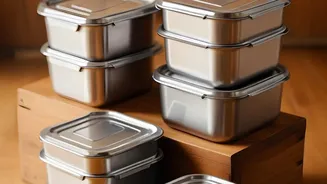
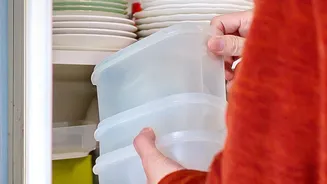
Before you can safely reheat food, you must store it correctly. The first rule is to minimise the time food spends at room temperature. Aim to get cooked food into the refrigerator within two hours of cooking. If the ambient temperature is high, this window shrinks to just one hour. Instead of placing a large, hot pot of dal or curry directly in the fridge (which raises the internal temperature), divide leftovers into smaller, shallow containers. This allows them to cool down much faster. Always use airtight containers to prevent moisture and airborne pathogens from contaminating the food. This simple step is crucial for preserving freshness and safety, especially for items like rotis or bread that can quickly develop mould in humid air.
Reheating: Your Best Defence
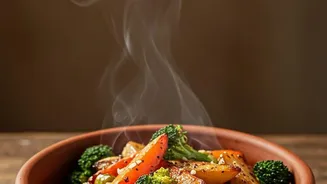
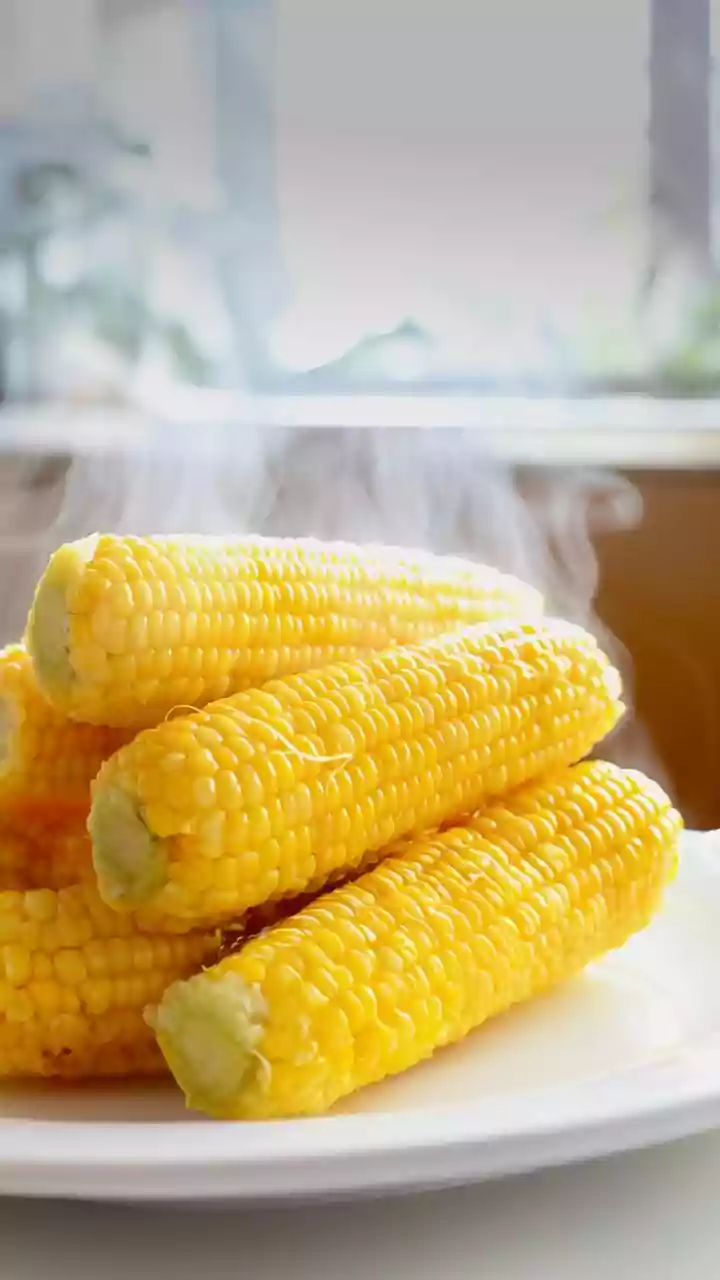
Reheating isn't just about making your food palatable; it's a final safety check to destroy any bacteria that may have developed during storage. The universal rule, according to food safety authorities, is to reheat leftovers to an internal temperature of at least 74°C (165°F). This temperature is high enough to kill most common foodborne bacteria. You cannot judge this by sight alone; the food must be steaming hot all the way through. For liquids like soups, gravies, and dals, bringing them to a full, rolling boil is the most reliable way to ensure they are safe to consume. Never assume that briefly warming food is enough, as this can leave pockets where bacteria survive.
Stovetop vs. Microwave: Which Is Safer?
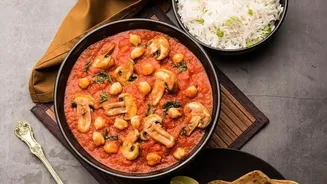
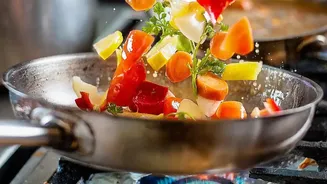
Both the stovetop and microwave can be used for reheating, but the stovetop generally offers more reliable and even heating. When you reheat a curry or sabzi on the stove, you can stir it continuously, ensuring that the entire dish reaches a uniformly high temperature. Microwaves are faster but are notorious for creating hot and cold spots. If you use a microwave, it's vital to stir the food halfway through the heating process to distribute the heat evenly. Let the food stand for a minute after heating to allow the temperature to equalise. For best results with dishes like rice, adding a splash of water before microwaving can help it steam and heat more thoroughly, preventing dry, hard grains.
Foods That Need Extra Care
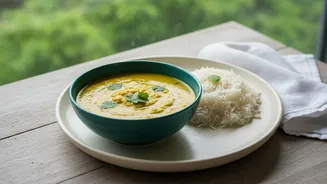
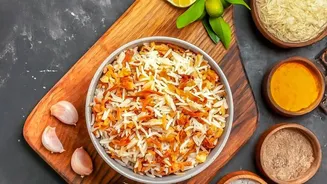
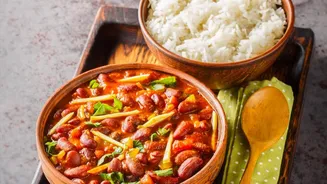
Some foods are more susceptible to spoilage and bacterial growth than others, especially during the monsoon. Cooked rice is a primary concern, as it can harbour a spore-forming bacterium called Bacillus cereus, whose toxins are not destroyed by reheating. It is crucial to cool and refrigerate rice as quickly as possible. Other high-risk foods include meat, poultry, seafood, and dairy products. Cut fruits and raw salads are also risky, as they can be contaminated and are not cooked before consumption. It is safest to eat freshly cooked meals as much as possible during the rainy season and to be extra vigilant with these high-risk leftovers. Never reheat food more than once, as repeated cooling and heating cycles increase the risk of contamination.