



Know Your Fabrics: Beyond a Simple Plastic Sheet
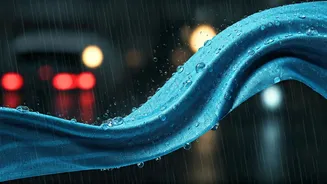
The first step to a long-lasting raincoat is understanding the material. The most basic options, like those made from PVC (Polyvinyl Chloride), are completely waterproof and affordable, making them suitable for short dashes in a downpour. However, they
offer zero breathability, meaning you can end up soaked in your own sweat. A significant step up are fabrics like nylon and polyester with a polyurethane (PU) coating. These offer a good balance of water resistance and affordability. For superior performance, look for items with a waterproof-breathable membrane. Technologies like Gore-Tex use a microporous film with pores too small for water droplets to enter but large enough for water vapour (sweat) to escape. These are often constructed in layers; a 3-layer fabric, which bonds the outer fabric, membrane, and an inner liner, is the most durable option for long-term use.
Construction is King: Look at the Seams and Zippers
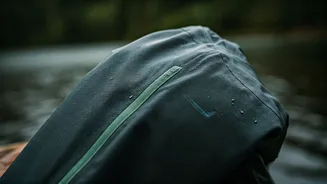
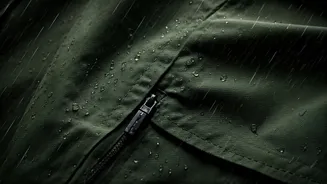
A waterproof fabric is useless if water can pour through the holes made by stitching. This is where seam sealing becomes critical. Cheaper jackets often have 'critically taped' seams, meaning only the most exposed seams like the shoulders and hood are sealed. This is a major point of failure in sustained rain. For gear that lasts, you must look for 'fully taped' or 'fully sealed' seams, where every seam is covered with waterproof tape to prevent leaks. An even more advanced and durable method is 'welded seams', where fabric panels are fused together with heat, creating a bond with no stitch holes at all. Also, inspect the zippers. Look for waterproof zippers or a storm flap, which is an extra flap of fabric that covers a standard zipper to keep rain out. Adjustable cuffs and a well-designed hood are also hallmarks of quality gear designed to keep you dry.
The Right Gear for Your Routine
The most durable rain gear is the one that correctly matches your needs. You don't need an expedition-grade jacket for a 10-minute walk to the market. For daily commutes on a scooter or in crowded public transport, a durable, lightweight, and packable jacket is ideal. If your work or lifestyle involves extended periods outdoors in heavy rain, investing in a 3-layer, fully seam-sealed jacket is a wise decision. Consider the fit as well. You might want a slightly larger size to comfortably wear it over your office attire or even a small backpack. Choosing gear that is appropriate for your activity level prevents you from overpaying for technical features you don't need or being let down by gear that wasn't designed for your specific use case.
The Secret to Longevity: Proper Care and Maintenance
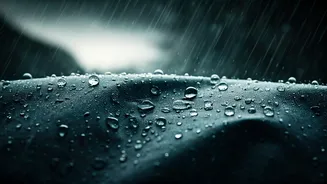
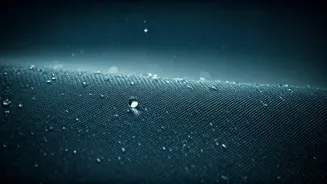
Even the best rain gear will fail without proper care. Most high-quality jackets are treated with a Durable Water Repellent (DWR) finish, which is what makes water bead up and roll off the surface. Over time, dirt and oils will cause this coating to wear off. When this happens, the outer fabric becomes saturated, a phenomenon known as 'wetting out'. This makes the jacket feel heavy and damp, and it severely reduces breathability. To restore it, first wash the garment. It's crucial to use a technical wash designed for waterproof clothing, as regular detergents can damage the DWR coating. After washing, the DWR can often be reactivated with gentle heat, such as 20 minutes in a dryer on a low setting (always check the care label first). If heat-treating no longer works, you can easily reapply the finish with a DWR spray-on product.