







The New Travel Mantra: Experiences Over Sightseeing
A major shift is underway in how people, particularly Indian tourists, approach their holidays in Asia. Instead of just seeing the sights, travellers are now prioritizing 'doing' things. This “experience-first” mindset means trips are built around specific
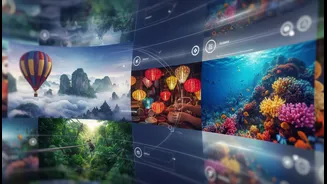
activities like a cooking class in Thailand, a diving course in Indonesia, or attending a major concert in Singapore. According to a 2026 Agoda report, Indian travellers are increasingly booking theme parks, such as Universal Studios Singapore, and island tours as the main event of their holidays, not just a side activity. This move away from traditional, passive sightseeing towards active participation defines the modern traveller, who seeks immersive cultural, adventure, or entertainment-based journeys.
Meet the New Wave of Planners: Millennials and Gen Z
This trend is largely driven by Millennial and Gen Z travellers. Having grown up in a digital world, their travel decisions are heavily influenced by social media, which showcases unique, shareable moments rather than static landmarks. Studies show this demographic is willing to spend more on activities and experiences, even if it means cutting back on flights or accommodation. For them, the value of a trip is measured in the stories they can tell and the personal growth they achieve. Recent data from 2026 shows that Gen Z travellers are a major force, accounting for a significant portion of travel searches and planning entire trips around events, festivals, and culinary exploration.
The Paradox: Why Spontaneity Needs a Schedule
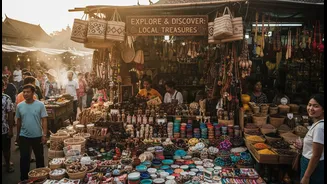
It might seem counterintuitive, but the desire for unique, authentic experiences is fuelling a massive growth in pre-booking. While travellers want the feeling of a spontaneous discovery, the reality is that the most sought-after experiences—like a workshop with a local artisan, a spot in a popular restaurant, or access to a sold-out festival—have limited capacity. Waiting until you arrive often means missing out. To guarantee their spot and avoid disappointment, savvy travellers are planning and booking these key activities months in advance. One recent study found that 42% of travellers are booking earlier to secure lower prices and ensure availability, turning the 'must-do' activity into the fixed anchor of their itinerary.
Technology as the Great Enabler
This boom in pre-booking wouldn't be possible without technology. Online Travel Agencies (OTAs) and specialized platforms like Klook have become essential tools. They provide a one-stop-shop where travellers can discover, compare, read reviews, and instantly book thousands of experiences across Asia. These platforms empower small, local operators, giving them access to a global market they couldn't otherwise reach. By aggregating activities, from major theme parks to niche walking tours, these digital marketplaces make it seamless for a tourist in Mumbai to book a specific activity in Seoul or Bali with just a few taps on their phone. This digital infrastructure is the backbone of the experience-first economy.
The Economic Ripple Effect on Asian Tourism
The rise of pre-booked experiences has a significant positive impact on local economies across Asia. For local tour operators and guides, pre-bookings provide a predictable revenue stream, helping them manage resources and staff more effectively. It also helps with crowd control at popular sites, leading to a better visitor experience and more sustainable tourism. Furthermore, it encourages the diversification of tourism offerings. Destinations are no longer just competing on landmarks, but on the uniqueness and quality of their experiences. This trend encourages investment in cultural heritage, adventure sports, and culinary arts, enriching the tourism landscape for everyone and spreading economic benefits beyond the usual hotspots.