






Why We Rush to Fertilize
It’s a logical assumption: new growth requires energy, and fertilizer is plant food, which provides energy. During a plant's active growing season, typically in the spring and summer, it does have a higher need for water and nutrients to support the formation
of new leaves, stems, and roots. This connection between growth and feeding is real, but it’s not a simple one-to-one relationship. New leaves are often a sign that the plant is already happy and has sufficient resources from its existing environment—good light, adequate water, and available nutrients in the soil. A plant will often use its stored energy to push out new growth when conditions are right. Adding fertilizer to an already content plant can upset this delicate balance.
The Dangers of Too Much Love
Over-fertilizing is one of the most common mistakes in container gardening. Unlike plants in the ground, balcony plants in pots have a limited volume of soil. Excess fertilizer salts can build up quickly in this confined space, leading to a condition known as "fertilizer burn." The signs can be misleading and are often mistaken for underwatering or disease. Look out for brown, crispy leaf tips and edges, a crusty white layer forming on the soil surface, and yellowing on the lower, older leaves. Paradoxically, a severely over-fertilized plant might wilt even when the soil is moist, because the high salt concentration damages the roots, impairing their ability to absorb water. Growth can also stall completely as the plant becomes too stressed to function.
Reading the New Leaves
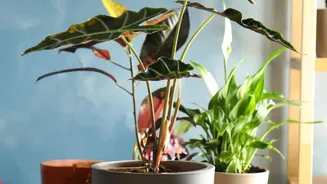
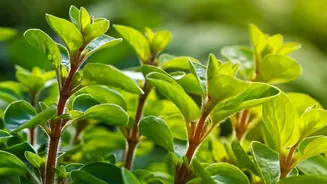
Instead of being a trigger for feeding, new growth is your plant's most honest feedback about its current conditions. Healthy new leaves that are a similar size and color to older ones indicate the plant is getting what it needs. Sometimes, new leaves emerge a lighter green or with a reddish tint; this is often normal as they are still developing chlorophyll and will darken as they mature. However, if new leaves are consistently small, pale, or distorted, it could point to an issue. Often, the limiting factor isn't food but light. A plant stretching with long gaps between small, pale leaves is likely asking for a sunnier spot.
So, When Should You Fertilize?
The best approach is to fertilize proactively during the growing season, not reactively to a single new leaf. For most balcony plants, a regular feeding schedule every 2-4 weeks with a diluted liquid fertilizer from spring through summer is sufficient. The key is to watch for signs of actual nutrient deficiency. A common sign is when an older, lower leaf turns yellow just as a new leaf is forming. This happens because the plant is pulling mobile nutrients, like nitrogen, from its old leaves to support new growth when it can't get enough from the soil. Different patterns of yellowing can indicate different deficiencies. For example, yellowing between the veins on new leaves might point to an iron deficiency.
A Simple Guide to Feeding
To avoid overdoing it, always follow the instructions on your fertilizer package, and consider diluting it to half-strength to be safe. It's best to apply liquid fertilizer to soil that is already moist to prevent root burn. Think of it as feeding the soil, not just the plant. A healthy soil ecosystem allows roots to access nutrients effectively. If you suspect you have over-fertilized, you can flush the soil by watering the plant thoroughly and letting the excess water drain completely out of the pot. This helps wash away the accumulated salts. By paying close attention to the plant's overall appearance rather than just one signal, you can provide what it truly needs.