


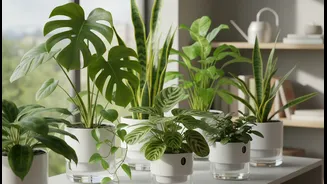

A Garden That Works With Nature, Not Against It
The fundamental advantage of native plants is their perfect adaptation to their home turf. Species like Jamun, Peepal, or Palash in India have evolved over millennia to thrive in the local soil, rainfall patterns, and temperature extremes. Unlike exotic
ornamentals that often require constant watering, special fertilisers, and pest control, native plants are naturally resilient. Once established, they are better equipped to handle everything from scorching summer heat to heavy monsoon rains, meaning they are more likely to survive and flourish with significantly less intervention from you. This resilience translates directly into a hardier, more dependable garden.
Become a Biodiversity Hotspot
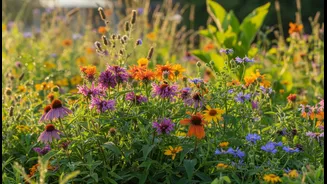
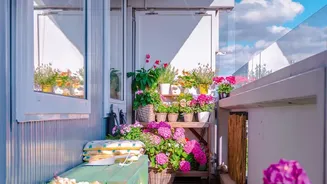
An urban garden planted with native species is more than just a pretty balcony; it's a vital pit stop for local wildlife. Native plants provide the specific food, shelter, and nesting sites that local birds, butterflies, and bees depend on. For example, certain native flowers provide the ideal nectar for local pollinators, while native trees and shrubs offer berries and safe havens for birds. Research has shown that gardens dominated by native plants support a much higher abundance and diversity of insect and bird species. By planting native species, you are essentially creating a micro-ecosystem, helping to build green corridors that allow wildlife to navigate the fragmented urban landscape.
Embrace Low-Maintenance Beauty
For busy city dwellers, the appeal of a low-maintenance garden cannot be overstated. Native plants are the answer. Their natural adaptation means you can say goodbye to a demanding gardening schedule. They require less water, which is not only environmentally responsible but also lowers your utility bills. Since they have co-evolved with local pests, they have developed natural defenses, drastically reducing or even eliminating the need for chemical pesticides. This creates a healthier environment for you, your family, and the beneficial insects that help your garden thrive. Ultimately, you spend less time working on your garden and more time simply enjoying its natural beauty.
Save Money and Resources
The economic benefits of going native are significant. The reduced need for water, fertilisers, and pesticides directly translates into long-term cost savings. Furthermore, many native plants are perennials, meaning they return year after year, saving you the recurring expense of buying new annuals each season. Their deep root systems are also excellent at managing stormwater runoff by helping to hold soil in place and absorb more water during heavy rains. This natural efficiency helps reduce erosion and can even mitigate localised flooding, providing benefits that extend beyond your own garden walls.
Cultivate a Sense of Place
In a world of increasingly homogenised landscapes, a native garden is a celebration of regional identity. Growing plants that are intrinsic to your area—be it the Flame of the Forest (Palash) in many parts of India or the California Poppy in the American West—connects your personal space to the broader natural heritage of your region. It creates an aesthetic that is authentic and harmonious with the surrounding environment. This connection offers a unique opportunity to learn about local ecology and foster a deeper appreciation for the natural world that exists right outside your door, making your garden a true reflection of its environment.