






The Fermentation Orchestra
At the heart of any great idli or dosa is a beautifully fermented batter. This isn't just about leaving a mixture of ground rice and lentils on the counter; it's about cultivating a thriving ecosystem of microorganisms. The main players are lactic acid
bacteria and wild yeasts, which are naturally present on the grains. When you create the batter, you're essentially setting the stage for these microbes to perform. They consume the starches and sugars in the batter, producing carbon dioxide and lactic acid. The gas makes the batter rise, creating the light, porous texture we love, while the acid provides that signature tangy flavour.
Temperature: The Obvious Accelerator
Temperature is the most well-known factor in fermentation. Think of it as the conductor of our microbial orchestra, dictating the tempo. Warmer temperatures speed everything up. The ideal range for idli and dosa batter fermentation is generally considered to be between 25°C and 32°C (80°F to 90°F). In this sweet spot, both the yeast and bacteria work efficiently and in harmony. If the temperature is too low (below 20°C), the microbes become sluggish, and fermentation will be painfully slow or may not happen at all. Conversely, if the temperature is too high, the process can go into overdrive, leading to a rapid increase in acidity and the dreaded 'extreme souring' disaster.
Humidity: The Unsung Hero
This is the variable most people forget. Humidity, or the amount of moisture in the air, plays a crucial supporting role. For optimal fermentation, the surface of your batter needs to remain moist. If the air in your kitchen is too dry, the top of the batter can form a hard, dry crust or 'shell'. This crust acts like a barrier, physically preventing the batter from rising properly as it can't expand. It also hinders the gas exchange necessary for the yeast to thrive. An environment with at least 75% relative humidity is ideal for most dough and batter fermentations, ensuring the surface stays pliable and active.
The Souring Disaster Explained
So, why does a batter become disastrously sour instead of pleasantly tangy? It happens when the balance between the microbes is thrown off, usually by excessive heat and time. High temperatures favour the rapid multiplication of lactic acid bacteria over yeast. These bacteria go into a frenzy, producing an overwhelming amount of lactic acid. This is what creates that sharp, almost vinegary smell and taste that signals over-fermentation. High humidity in a very hot environment can exacerbate this, as it creates a perfect, warm, and damp breeding ground where the acid-producing bacteria outcompete everything else, leading to a sour, often unusable batter.
Achieving the Perfect Balance
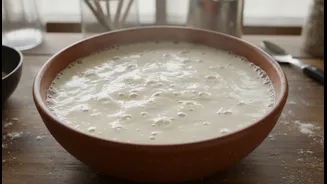
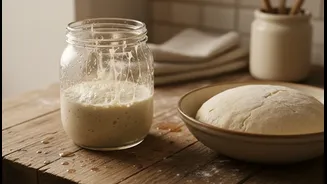
Preventing batter disasters is about creating a stable, Goldilocks environment—not too hot, not too cold, and not too dry. In warm, humid Indian climates, this means you may need to reduce fermentation time significantly. Instead of overnight, your batter might be ready in just 4-6 hours. Conversely, in a dry or air-conditioned room, you might need to create a humid microclimate. A simple trick is to place the batter bowl in a turned-off oven or microwave alongside a cup of hot water. The steam from the water will raise the humidity, while the enclosed space maintains a more consistent temperature. The goal is to observe the batter, not the clock. Look for a visible rise, a web of bubbles, and a pleasant, mildly sour aroma.