





The Problem with the 'Dabba'
The traditional office dabba, while often filled with the comfort of home-cooked food, can sometimes feel repetitive or impractical. A simple roti-sabzi is a staple, but it can get monotonous. On the other hand, a daily trip to the local canteen or a food delivery
app can quickly drain both your wallet and your energy levels. Studies have shown that people who cook at home tend to consume fewer calories, sugar, and fat. Relying on outside food often means sacrificing control over ingredients, portion sizes, and hygiene. The result is often a feeling of heaviness and lethargy just when you need to be at your most productive in the afternoon. Many professionals report lower energy and productivity after a heavy or processed lunch. It's a daily dilemma: choose convenience and compromise on health, or aim for health and spend precious time and energy you don't have.
Meet the Ultimate Office Lunch: The Power Bowl
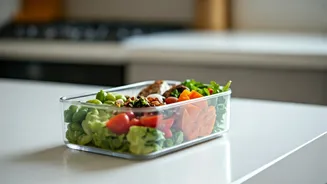
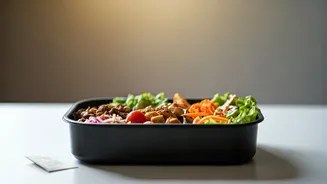
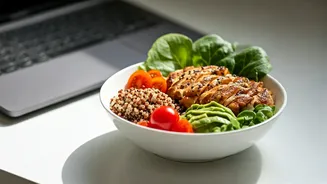
Enter the power bowl, or the 'Buddha bowl' as it’s sometimes called. It’s not a specific recipe but a versatile formula: a balanced, one-bowl meal that you can completely customise to your tastes and dietary needs. The concept is simple: layer a grain, a protein, plenty of vegetables, a flavourful dressing, and a crunchy topping in a bowl or tiffin. For an Indian context, think of it as a deconstructed, modern take on meals like khichdi or pulao, but with endless variations. The beauty lies in its adaptability. You can make it vegan, gluten-free, low-carb, or high-protein. It's a fantastic way to use up leftover vegetables and ensure you're getting a wide array of nutrients in a single, delicious meal.
The Building Blocks of Your Bowl
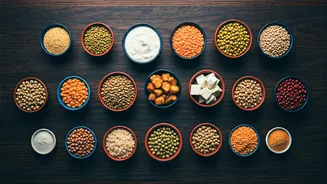
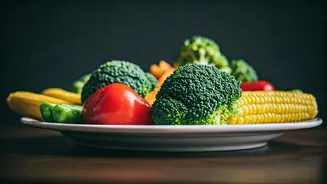
Building your perfect power bowl is as easy as picking one or two items from each category. The key is to have a balanced mix of macronutrients to keep you full and energized. 1. The Base (Complex Carbs): Start with a foundation of whole grains for sustained energy. Millets, such as foxtail or proso, are an excellent, gluten-free choice that cook quickly. Other great options include quinoa, brown rice, or even leftover roti torn into pieces. 2. The Protein: This is what keeps you full and prevents afternoon hunger pangs. For vegetarians, think spiced paneer cubes, boiled chickpeas (chana), kidney beans (rajma), lentils, or tofu. 3. The Veggies (Fibre & Vitamins): Load up on colour and crunch. Use a mix of raw and cooked vegetables. Finely chopped cucumber, tomatoes, and onions are classics. Add shredded carrots, beets, or steamed broccoli and bell peppers. 4. The Dressing (Flavour): This ties everything together. A simple dressing of lemon juice, black salt, and a pinch of chaat masala is a great start. A whisked yogurt (curd) dressing with mint and coriander is another fantastic option. 5. The Topping (Texture & Healthy Fats): Finish with a sprinkle of something crunchy. Roasted peanuts, pumpkin seeds, or a few almonds add texture and healthy fats.
Weekend Prep for Five-Minute Assembly
The secret to making this a “quick meal” is meal prepping over the weekend. Spending just an hour on Sunday can save you immense time and stress during the work week. Cook a large batch of your chosen grain—millets or quinoa can be cooked in about 15-20 minutes and stored in the fridge for up to four days. Wash and chop your hard vegetables like carrots, bell peppers, and beets. You can even pre-cook your protein, like boiling a batch of chickpeas or grilling some paneer. Store each component in separate airtight containers. Each morning, all you have to do is assemble your bowl: a scoop of grains, a handful of protein, a pile of veggies, and a drizzle of dressing. It takes less than five minutes, is completely fresh, and eliminates the daily decision fatigue of figuring out what to eat.
Two Ideas to Get You Started
Feeling uninspired? Here are two simple combinations to try for your next office lunch: The Masala Chickpea Bowl: Start with a base of cooked millet. Top with a generous serving of boiled chickpeas tossed in turmeric, chili powder, and garam masala. Add chopped cucumber, tomato, and onion. For the dressing, mix yogurt with a little salt and roasted cumin powder. Garnish with fresh coriander leaves. The Paneer Tikka Bowl: Use quinoa as your base. Add cubes of lightly pan-fried paneer that have been marinated in yogurt and tikka spices. Throw in some sliced bell peppers and onions. Drizzle with a simple mint-coriander chutney thinned with a little water or yogurt. Finish with a sprinkle of roasted peanuts for crunch.