



More Than Just a Morning Ritual
Tea in India is far more than a simple beverage; it's a cultural institution. It fuels conversations, kickstarts mornings, and offers comfort on rainy afternoons. From the roadside 'cutting chai' to the family's secret masala blend, tea is woven into
the very fabric of daily life. For generations, the standard has been strong black tea, boiled with milk, sugar, and a comforting mix of spices like cardamom and ginger. This traditional masala chai remains the undisputed king, with India consuming the vast majority of the tea it produces. It’s a ritual of hospitality and connection, a constant in a rapidly changing country. This deep-rooted tradition forms the foundation upon which the current evolution is being built.
A Nationwide Shift Towards Wellness
The change in tea habits is not happening in a vacuum. It is part of a larger, nationwide movement towards more mindful living and preventive health. Particularly in urban and semi-urban areas, consumers are paying closer attention to ingredient lists, nutritional benefits, and the overall impact of what they consume. This shift, accelerated in the post-pandemic era, has seen a rising interest in natural remedies, immunity-boosting foods, and holistic wellness practices rooted in traditions like Ayurveda. People are not just looking for treats; they are seeking functional benefits from their everyday foods and drinks, transforming their kitchens into a frontline for personal health.
The New Stars of the Tea Cabinet
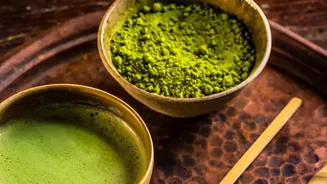
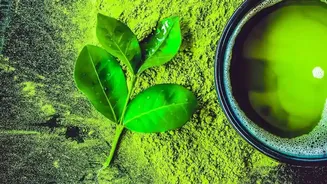
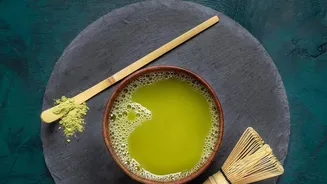
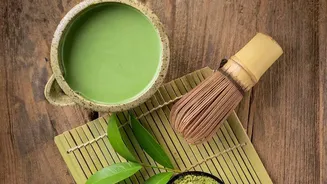
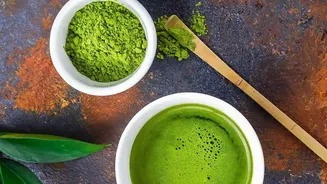
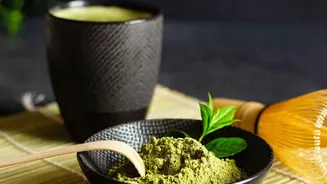
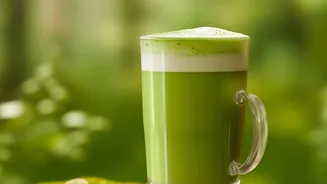
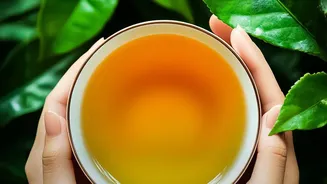
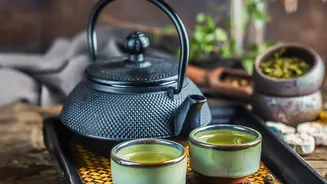
As a result, the Indian tea cabinet is expanding. While masala chai still holds its place, it's now sharing the shelf with a host of new contenders. Green tea has surged in popularity, prized for its antioxidant properties and links to weight management. Beyond that, a vibrant market for herbal infusions, or tisanes, has emerged. Teas featuring traditional Ayurvedic herbs like tulsi (holy basil), ashwagandha, turmeric, and moringa are becoming mainstream. Brands both new and old are launching wellness-focused lines, offering blends designed for specific benefits like stress relief, better sleep, and improved digestion. Flower-based teas, with ingredients like hibiscus, chamomile, and rose, are also gaining traction for their calming properties and unique flavours.
An Evolution, Not a Replacement
Crucially, this trend doesn't signify the end of chai. Instead, it's an evolution. Many Indians are not replacing their morning chai but are supplementing it with a cup of green or herbal tea in the afternoon or evening. It’s about having a ‘tea wardrobe’ that caters to different needs throughout the day—a strong, milky brew for a morning jolt and a calming, caffeine-free herbal infusion before bed. Recognizing this, some companies are even innovating within the traditional format, launching 'wellness chai' that incorporates beneficial herbs directly into the CTC black tea base. This approach respects the classic taste profile while adding a functional twist, proving that tradition and trend can coexist beautifully in the same cup.