


Understanding the Movement
Known in Sanskrit as Marjaryasana (Cat) and Bitilasana (Cow), this sequence is not a static hold but a fluid dance between two shapes. The 'Cow' phase involves a gentle arch of the back, while the 'Cat' phase creates a rounding of the spine. This dynamic
flow is a cornerstone of many yoga practices, used to warm up the body, connect with the breath, and bring gentle mobility to the entire spinal column. It serves as a foundational movement that helps prepare the body for more activity or cool it down by releasing accumulated tension.
Step-by-Step Technique
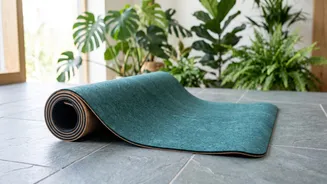
Finding the correct form is key to a safe and effective practice. Start on a mat or soft surface to cushion your joints.1. Begin in Tabletop Position: Come onto your hands and knees. Align your wrists directly under your shoulders and your knees directly under your hips. Your back should be in a neutral, flat position. Spread your fingers wide to distribute your weight evenly.2. Inhale into Cow Pose: As you take a slow breath in, begin to drop your belly toward the floor. Lift your chest and tailbone toward the ceiling, creating a gentle 'U' shape with your spine. Broaden across your collarbones and look forward, keeping your neck as a long extension of your spine.3. Exhale into Cat Pose: As you breathe out, press the floor away with your hands and begin to round your spine toward the ceiling, like an angry cat. Tuck your tailbone under and gently release your head toward the floor, allowing your chin to move toward your chest without force.4. Continue the Flow: Repeat this sequence, moving smoothly between Cow on the inhale and Cat on the exhale. Let your breath guide the pace of the movement. Aim for five to ten slow, deliberate cycles.
The 'Small Comfortable Range' Explained
The magic of Cat-Cow lies not in pushing to your maximum arch or round, but in mindful, controlled motion. The instruction to use a 'small, comfortable range' is crucial. Forcing a deep backbend in Cow can compress the lower back, while an aggressive rounding in Cat can strain the neck and shoulders. Instead of chasing an extreme shape, focus on initiating the movement from your pelvis and letting it ripple up the spine. The goal is to lubricate the joints of the spine and awaken the muscles, not to achieve a specific look. Smaller movements often build greater body awareness and coordination. If you feel any pinching or sharp pain, reduce the range of motion immediately. The stretch should feel pleasant and relieving.
Common Misalignments to Avoid
To get the most out of the pose and prevent strain, be mindful of common errors. The most frequent mistake is moving too quickly and forgetting to sync the movement with the breath. Another is allowing the shoulders to creep up toward the ears, which creates tension in the neck. Also, avoid cranking your neck back in Cow Pose; instead, keep it long and aligned with the spine. Ensure your hands and knees are properly aligned under your shoulders and hips to create a stable base and avoid unnecessary pressure on your joints.
Benefits and Modifications
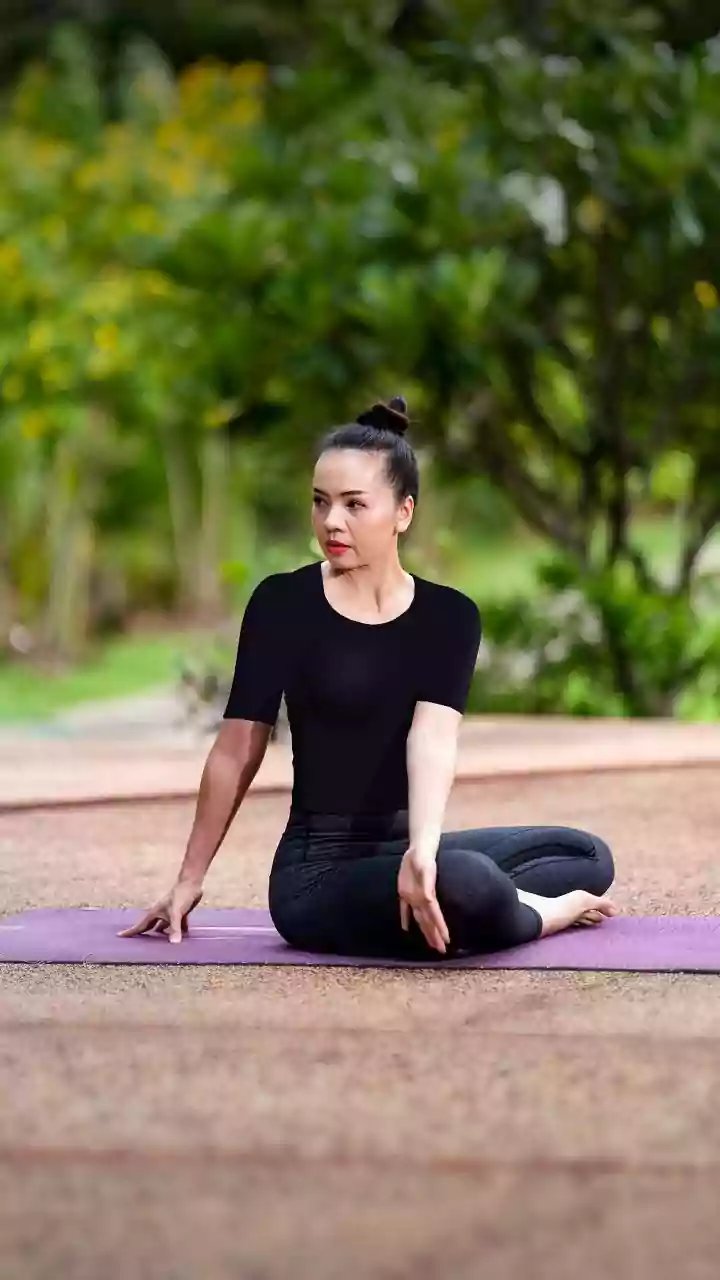
When practiced correctly, Cat-Cow is incredibly beneficial. It improves spinal flexibility, reduces stiffness, and can help ease back and neck tension, especially after long hours of sitting. The gentle movement also stimulates abdominal organs and calms the mind by linking rhythmic motion with steady breathing.This pose is highly adaptable. If you have sensitive knees, place a folded blanket under them for extra cushioning. For wrist pain, you can make fists with your hands or come down onto your forearms. A popular variation is the seated Cat-Cow, performed while sitting in a chair with hands on the knees, which offers the same spinal benefits without putting pressure on the wrists or knees.