



The End of the Whirlwind Tour
The era of cramming five cities into a seven-day trip may be fading. A different travel philosophy, often called 'slow travel', is gaining momentum, particularly in India. [6] Instead of a frantic race between landmarks, this approach encourages travellers
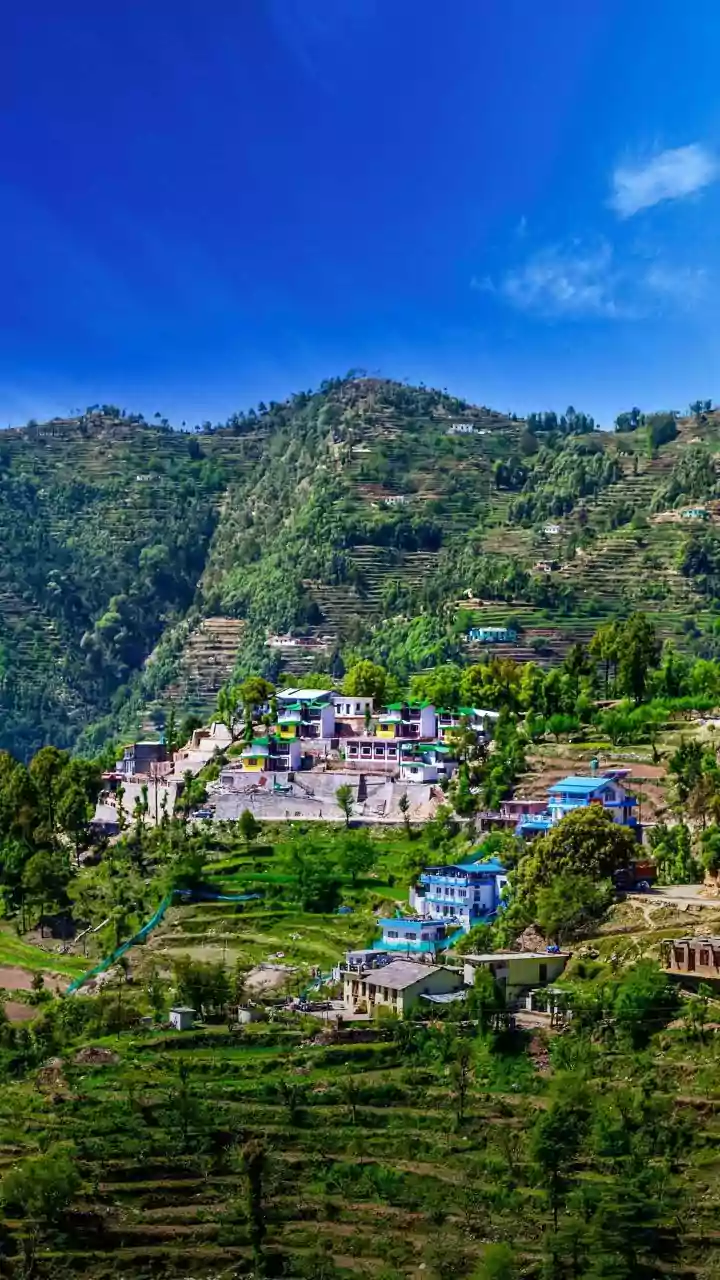
to immerse themselves in one place. [3] It’s about quality over quantity, trading a packed itinerary for a deeper connection with a local culture. [6] This shift is a response to 'checklist tourism', where the goal is to tick off as many famous sights as possible. [6] Today, many travellers are finding more value in discovering the hidden gems and daily rhythms of a single town or region, from the serene backwaters of Kerala to the hills of Himachal Pradesh. [6]
A Mindset Shift After the Pandemic
The global pandemic acted as a major catalyst for this change. The rise of remote and hybrid work models has untethered millions from the physical office, making longer stays more feasible. [22] This newfound flexibility allows professionals to blend work and leisure, a trend dubbed 'bleisure'. [9] Beyond logistics, there's been a psychological shift. Many people are re-evaluating their priorities, seeking experiences that offer genuine rest and rejuvenation over the stress of a rushed trip. [4, 16] In India, a recent survey found that relaxation is the primary motivation for travel for 67% of people, leading them to seek out quieter getaways. [16] This desire for a mental unwind is pushing travellers towards less crowded, nature-centric destinations. [12, 15]
From 'Work from Home' to 'Work from Anywhere'
The 'workation' is no longer a niche concept but a mainstream practice, especially among young Indian professionals looking to escape urban burnout. [22] With improved internet connectivity and a proliferation of work-friendly homestays and hostels, it's never been easier to set up a temporary office in the mountains or by the sea. [22] This trend is so significant that the global bleisure market is projected to grow massively, with some estimates suggesting it could exceed $731 billion by 2032. [9] For many, this isn't about working more, but about achieving a better work-life balance—exploring a new place during evenings and weekends without dipping into limited annual leave. [22] A survey found 33% of travellers now prefer working remotely amidst natural settings. [22]
The Benefits of Taking It Slow
The advantages of slow travel extend beyond personal well-being. By staying longer in one place, travellers significantly reduce their carbon footprint from frequent flights or car journeys. [3, 5] This approach also channels tourism revenue more directly into local economies, supporting small, family-run businesses rather than large corporate chains. [4, 7] For the traveller, the rewards are profound. It creates opportunities for spontaneous discoveries and genuine connections with local people that are impossible when you're just passing through. [2, 3] Instead of returning home exhausted, you come back feeling genuinely rested and enriched by a more authentic and mindful experience. [4]