




The Primary Challenge: Too Much Water
The single biggest threat to potted herbs during the monsoon is waterlogging. While rain is essential, continuous downpours saturate the soil, leaving no room for air. Plant roots need to breathe, and when they are submerged in water for long periods,
they suffocate, leading to root rot. This condition causes leaves to yellow, stems to wilt, and can quickly kill a healthy plant. For herbs like basil, which are particularly sensitive to 'wet feet', this is a major concern. The goal during the rains is not to stop watering, but to manage its excess.
Defence Strategy 1: Perfect Your Drainage
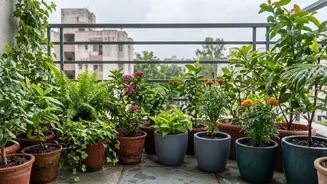
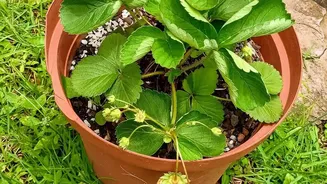
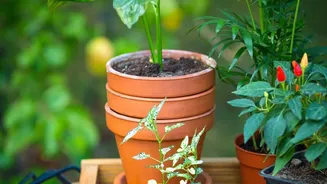
Your first line of defence is excellent drainage. Ensure every pot has at least one, if not several, drainage holes at the bottom to allow excess water to escape freely. If you suspect a blockage, gently clear it. A simple but highly effective trick is to elevate your pots. Place them on 'pot feet', bricks, or a small stand. This small gap prevents the pot from sitting directly in a puddle of runoff water and improves airflow around the base. When potting new herbs, create a well-aerated soil mix by adding sand or coco-peat to your garden soil to prevent it from becoming compacted by heavy rain.
Defence Strategy 2: Provide Physical Shelter
While gentle rain is beneficial, a heavy downpour can physically damage tender leaves and stems. If your balcony is exposed, consider moving smaller pots of basil and mint closer to the wall or under an overhang during periods of intense rain. Grouping plants together can also offer some mutual protection from strong winds and rain. For a more permanent solution, you can install temporary waterproof shades or plastic sheets, but ensure there is still adequate air circulation. Remember to remove them once the heavy rain passes to allow for sunlight and airflow.
Defence Strategy 3: Combat Fungal Foes
High humidity and wet foliage create the perfect breeding ground for fungal diseases like powdery mildew and downy mildew. You might notice yellowing leaves with a grey, fuzzy growth on the underside, a classic sign of downy mildew on basil. To prevent this, improve air circulation around your plants by regularly pruning them. Trim any dense growth and remove lower leaves that are too close to the soil. If you spot any diseased leaves, remove them immediately to stop the spread. Clearing fallen leaves and other debris from the pot's surface also helps keep things clean and disease-free.
Specific Care for Basil
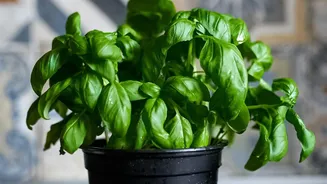
Basil is notoriously fussy about water. It hates soggy soil and is highly susceptible to root rot and fungal diseases like Fusarium wilt and downy mildew. During the monsoon, water your basil only when the top inch of soil feels dry to the touch. If it's exposed to rain, you may not need to water it manually at all. Ensure it is in a spot with maximum air movement to help its leaves dry quickly after a shower. Harvesting regularly by pinching off the top sets of leaves will not only give you a steady supply for your kitchen but also encourage the plant to become bushier and improve airflow.
Specific Care for Mint
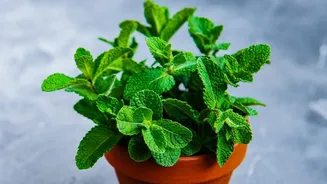
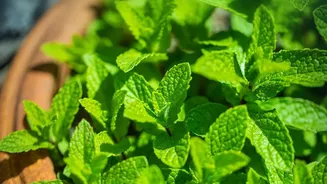
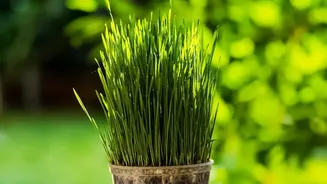
Mint is a hardy herb that often thrives in the monsoon, but it's not immune to problems. While it enjoys moisture, waterlogged soil can still lead to root rot. Like basil, ensure its pot has excellent drainage. The bigger issue with mint in low-light monsoon conditions is that it can become 'leggy'—developing long, weak stems with sparse leaves. To combat this, place it in the brightest spot on your balcony. Prune it frequently and aggressively. Cutting back the stems encourages denser, more flavourful growth and prevents the plant from becoming unruly.