


A Fortnight of Frigid Darkness
A full day-night cycle on the Moon lasts about 29.5 Earth days. This means most locations on the lunar surface experience roughly 14 days of continuous daylight followed by 14 days of relentless darkness. Without a significant atmosphere to trap and distribute
heat, the temperature swings are extreme. During the long day, equatorial regions can reach a scorching 121°C (250°F), but once the Sun sets, the temperature plummets to a bone-chilling -133°C (-208°F). In the permanently shadowed craters near the poles, which are prime targets for exploration due to the potential for water ice, temperatures can drop even further, below -246°C (-410°F). This profound cold is more than just an inconvenience; it's a direct threat to the survival of any hardware and any future human presence.
Keeping the Lights and Heaters On
The most immediate problem of a 14-day night is the loss of solar power. During the lunar day, solar arrays can generate electricity, but surviving the darkness requires a robust energy storage solution. Standard battery systems face a dual challenge: they must store enough energy to power essential systems for over 350 hours, and they themselves must be kept warm enough to operate, which consumes more of their own stored power. The sheer mass of batteries required makes this an inefficient solution for long-term missions. To overcome this, NASA and its partners are exploring several advanced technologies. Regenerative fuel cells, which generate electricity by combining hydrogen and oxygen and can be 'recharged' using solar power to split water back into its components, offer a lighter-weight alternative to batteries. Another powerful option is nuclear power, specifically radioisotope power systems (RPS) and fission surface power. RPS, which uses the heat from the natural decay of radioactive material, can provide a steady supply of heat and electricity, independent of sunlight, making them ideal for surviving the cold darkness.
Protecting the Mission's Hardware
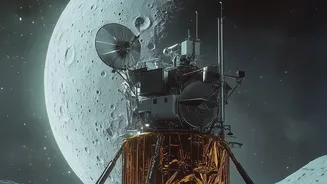
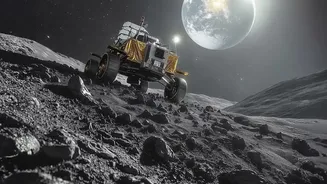
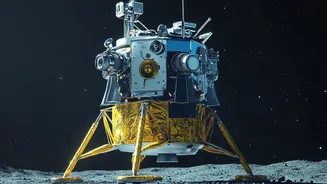
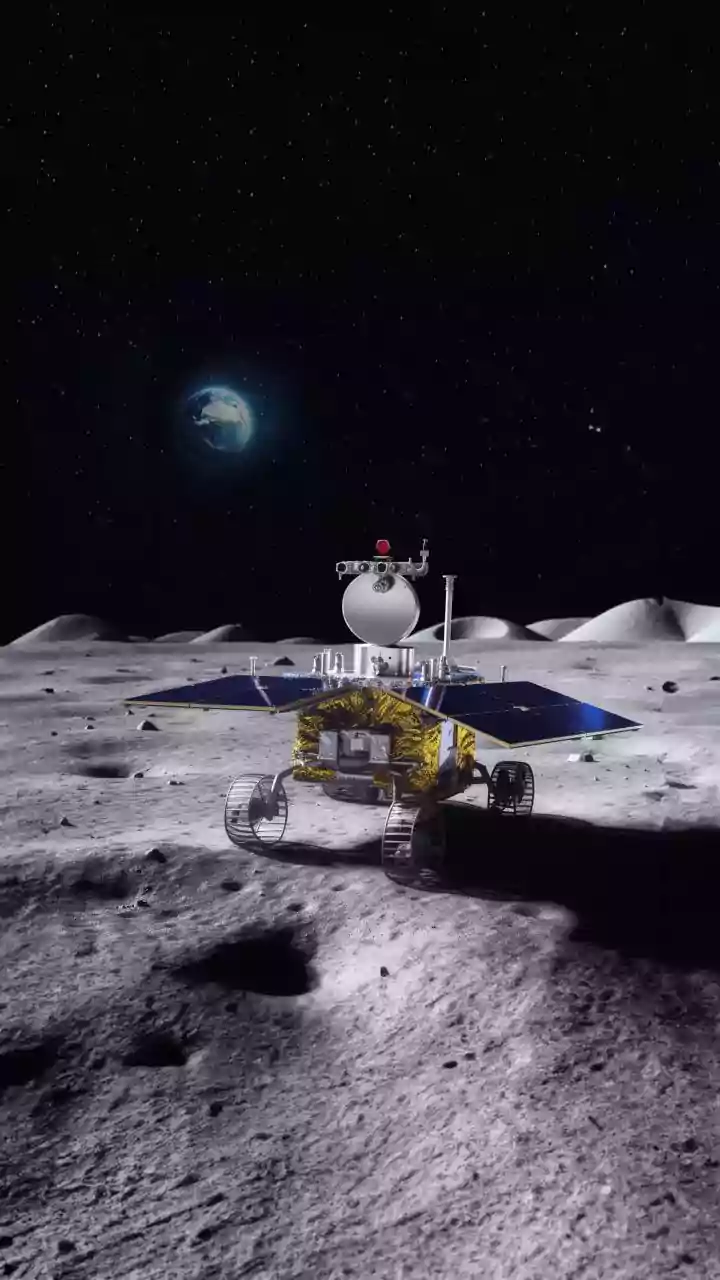
The extreme cold of the lunar night is brutal on mechanical and electronic components. Materials can become brittle and crack, lubricants can freeze solid, and sensitive electronics can fail. Keeping landers, rovers, and scientific instruments functional requires a sophisticated thermal management system. This involves a combination of high-tech insulation, heaters to keep critical components within their operational temperature range, and thermal switches or heat pipes to move heat where it's needed. However, running these heaters constantly is an enormous power drain. One innovative approach is a 'hibernation' strategy, where a spacecraft powers down most of its systems and allows its batteries to get extremely cold. Upon sunrise, specially designed electronics that can operate at cryogenic temperatures would manage the process of warming the system and bringing it back online.
The Human Element in the Dark
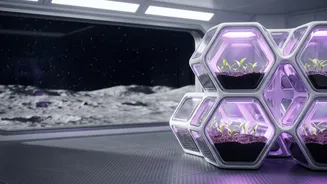
For astronauts on long-duration missions, the lunar night introduces a host of operational and psychological challenges. While much of the time might be spent 'inside' habitats, focusing on maintenance, sample analysis, and scientific work, the very act of living in a confined space for 14 days of darkness is a challenge. The Artemis program's Orion capsule, for instance, provides a living space of just nine cubic meters for four astronauts, requiring incredible discipline and cooperation. Life support systems must function flawlessly without interruption, which again relies on a continuous power source. Extra-vehicular activities (EVAs), or moonwalks, would be incredibly hazardous in the dark, limiting surface exploration primarily to the lunar day. Ensuring that habitats and rovers are properly insulated and powered to protect human life through the two-week freeze is perhaps the single most critical factor in establishing a sustainable, long-term human foothold on the Moon.