







Understanding 'Separate Bookings'
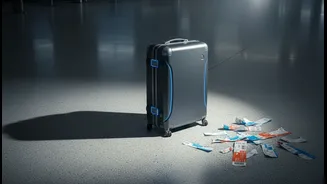
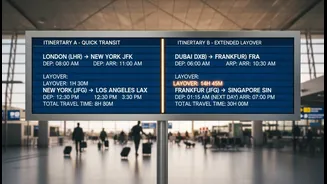
In the world of travel, a separate booking—often called a “self-connect” or “self-transfer”—is when you piece together your journey using two or more individual tickets. This might involve flying with one airline from Mumbai to Dubai, and then with a different
airline from Dubai to London, each on its own ticket and confirmation number. These are sometimes called "hacker fares" by booking sites that find creative, multi-ticket routes. While this can sometimes unlock significant savings or more convenient routes, it comes with a major catch: you are creating two separate, unrelated contracts with the airlines.
The Single Ticket Safeguard
When you book a connecting journey on a single ticket, even if it involves different airlines, you are protected. The airlines have what’s called an “interline agreement,” a partnership to handle passengers and their luggage seamlessly. If your first flight is delayed causing you to miss your connection, the airline is obligated to rebook you on the next available flight to your final destination, usually at no extra cost. Your bags are also typically checked through to your final destination. This single booking reference is your safety net, ensuring the carriers work together to get you where you need to go.
The Risk of Self-Connecting
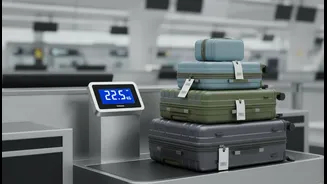
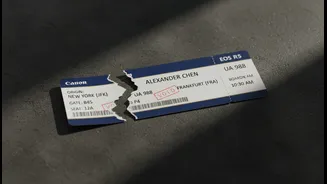
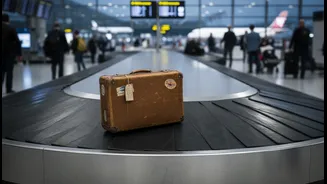
With separate bookings, that safety net disappears. The first airline’s only legal obligation is to get you to the destination on its ticket—which is your layover airport. If that flight is delayed, even by just an hour, and you miss your second flight, the first airline has fulfilled its contract. The second airline sees you as a “no-show” because you weren’t at the gate on time. They have no obligation to rebook you for free. You will likely have to buy a new, often expensive, last-minute ticket to continue your journey. Furthermore, you are responsible for collecting your checked bags, exiting the secure area, checking them in again for your next flight, and clearing security a second time.
Why Isn't the First Airline Responsible?
It all comes down to the contract. When you buy two separate tickets, you are entering into two distinct agreements. The contract for your Mumbai-Dubai flight is completely independent of the contract for your Dubai-London flight. The first airline has no contractual knowledge of or responsibility for your onward travel plans. Their job is done once they land in Dubai. Even if you book both tickets with the same airline but under separate confirmation numbers, the same rule generally applies; they are treated as two independent journeys.
How to Protect Yourself When Self-Connecting
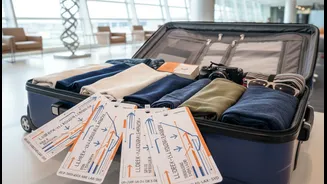
If the savings from a self-connect itinerary are too good to pass up, you must become your own travel agent and build in protections. First and foremost, leave an extremely generous layover. Experts recommend a buffer of at least four to six hours, and even more for international transfers that require navigating immigration and customs. Traveling with only a carry-on is a huge advantage, as it eliminates the time-consuming process of reclaiming and re-checking luggage. Also, investigate purchasing travel insurance. However, you must read the fine print carefully, as many standard policies do not cover missed connections on separate tickets. Look for policies that specifically offer coverage for this scenario.