




Aligning With Your Body's Natural Clock
Our bodies operate on a natural 24-hour cycle known as the circadian rhythm, which governs our sleep-wake patterns, energy levels, and hormonal activity. Aligning your yoga practice with this internal clock can amplify its effects. A morning practice can act as a natural stimulant,
setting a positive and energetic tone for the day ahead, while an evening session can signal to your body that it’s time to unwind, aiding in relaxation and deeper sleep. The key is choosing the right type of movement for the right time of day.
Morning Practice: Awaken and Energise
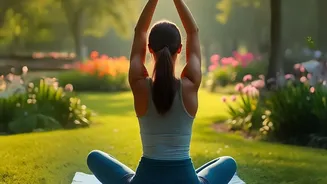
Morning is the ideal time for a dynamic, invigorating practice that builds heat and boosts circulation. Your muscles may feel stiff after a night of rest, so a gentle warm-up is crucial. The most iconic morning sequence is Surya Namaskar, or the Sun Salutation. This series of 12 flowing postures is designed to awaken the body, improve the flow of energy (prana), and express gratitude to the sun. Poses that create energy often involve opening the chest and activating major muscle groups. Asanas like Chair Pose (Utkatasana) build heat in the legs and core, while gentle backbends like Cobra Pose (Bhujangasana) stimulate the nervous system and open the heart space. Even short morning sessions can enhance mental clarity and focus for the hours ahead.
Key Benefits of an A.M. Flow
Starting your day on the mat offers a wealth of advantages. A morning yoga routine can kickstart your metabolism and improve digestion. The controlled breathing and movement increase blood flow throughout the body, delivering fresh oxygen to your brain and muscles, which can leave you feeling more alert and enthusiastic. Studies have shown that morning exercise can improve mood and cognitive function throughout the day. Furthermore, establishing a morning practice helps build consistency, as there are typically fewer distractions or social commitments to derail your routine.
Evening Practice: Unwind and Restore
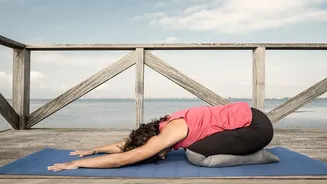
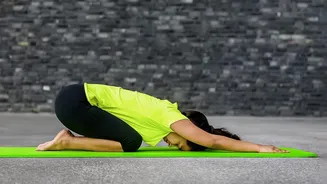
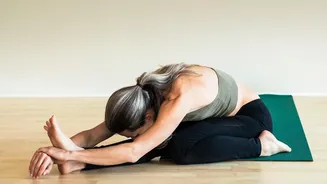
After a long day of activity and mental stimulation, the goal of an evening practice is to downshift and prepare for rest. This is the time for restorative yoga, a gentle, passive style that uses props like bolsters and blankets to support the body in comfortable poses held for several minutes. This practice activates the parasympathetic nervous system, also known as the "rest and digest" system, which helps lower stress hormones, slow the heart rate, and calm the mind. Poses that encourage this response include seated forward folds, gentle spinal twists like Supta Matsyendrasana, and passive inversions. These movements release physical tension accumulated in the neck, shoulders, and back from hours of sitting or standing.
The Ultimate Restorative Pose: Legs-Up-The-Wall
One of the most powerful restorative poses is Viparita Karani, or Legs-Up-The-Wall. This simple, passive inversion involves lying on your back with your legs resting vertically against a wall. It requires minimal effort but delivers maximum benefits, especially in the evening. This posture helps reduce swelling and fatigue in the legs and feet, alleviates lower back pain, and improves circulation by encouraging blood flow back toward the heart. Holding this pose for 5 to 15 minutes before bed can significantly calm the nervous system, reduce anxiety, and improve sleep quality, making it an excellent remedy for insomnia.
Listen to Your Body's Wisdom
While these guidelines offer a useful framework, the most important rule in yoga is to listen to your own body. Some days you might wake up feeling depleted and need a gentle, restorative morning session. Other times, you might have excess energy in the evening that calls for a more dynamic flow before you can relax. The beauty of yoga lies in its adaptability. Don't be afraid to break the rules and choose the practice that serves your physical and mental state in the moment. The distinction between a morning and evening practice isn't a rigid mandate but rather a helpful guide to harness your energy more effectively.