









The Promise of a Seamless Journey
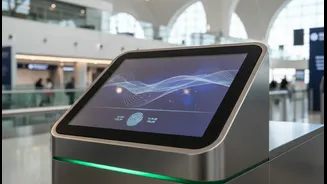
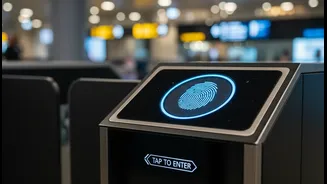
Facial recognition technology is rapidly changing the face of air travel in India. Spearheaded by the DigiYatra initiative, biometric boarding promises a paperless, contactless, and seamless experience. The concept is simple and attractive: after a one-time
registration linking your Aadhaar and a selfie, your face becomes your boarding pass. This allows you to walk through dedicated e-gates at airport entry, security, and boarding without fumbling for your ID or phone. Proponents, including airlines and airport operators, highlight the efficiency gains, noting that it can significantly cut down on queues and processing times, making the entire airport experience faster and less stressful. With over 1.2 crore passengers already using the system across more than 28 airports, the government is betting big on this technology as a cornerstone of its aviation modernization strategy.
Why 'Optional' Must Mean Genuinely Optional
The Ministry of Civil Aviation has repeatedly stated that using DigiYatra is voluntary for domestic travel. Manual lanes for ID checks remain available. However, the definition of 'voluntary' can become blurry. If the manual process is deliberately made slower or less convenient, it creates a coercive environment where passengers feel compelled to enroll. This is a crucial distinction. A choice made under pressure is not a true choice. Furthermore, recent reports from June 2026 indicate that DigiYatra has been made mandatory for international transit passengers at four major airports: Delhi, Mumbai, Bengaluru, and Hyderabad. This shift from optional to mandatory, even for a specific passenger group, sets a worrying precedent and raises questions about 'function creep'—where a technology's use expands beyond its original, limited purpose. True optionality means having a viable, non-punitive alternative.
The Need for True Understanding
For consent to be meaningful, it must be informed. The second pillar of responsible biometric implementation is making the system understandable. Passengers need to know, in simple and clear language, what data is being collected, how it is stored, who has access to it, and for how long it is retained. While the DigiYatra Foundation states that passenger data is encrypted and stored on the user's phone, with airport servers purging travel data within 24 hours, these technical details must be communicated transparently. Vague privacy policies or reliance on technical jargon is not enough. A NITI Aayog-instituted study highlighted the need for the policy to clearly define deletion rules for all data collected, not just the facial biometric scan. Without this clarity, passengers cannot make a truly informed decision about the trade-offs between convenience and privacy.
An Exit Strategy Is Non-Negotiable
The right to say no is as important as the right to say yes. An essential, yet often overlooked, aspect of digital consent is the ability to easily revoke it. Any biometric system must have a simple, accessible, and immediate process for users to opt out and have their data permanently deleted. The Digital Personal Data Protection (DPDP) Act of 2023 grants citizens the right to erasure, and public-facing systems like DigiYatra must honour this in practice, not just in policy. The process to de-register and wipe one's data should be as straightforward as the enrollment process. A 'one-click opt-out' as suggested in the official policy documents should be a visible and functional feature. This ensures that the user remains in control, reinforcing the idea that they are merely granting temporary access to their data, not surrendering ownership of it.