





Your New Super-Fast Assistant
For today’s content creators, especially in a bustling market like India, artificial intelligence is more than a buzzword; it’s a practical assistant that can dramatically cut down production time. Mundane tasks that once consumed hours can now be done
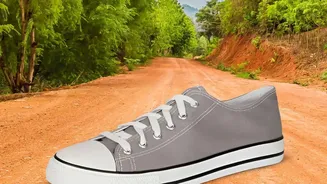
in seconds. Think about removing the background from a product shot, erasing a distracting object from a travel photo, or automatically resizing one master image for Instagram posts, Stories, and YouTube thumbnails. These AI-powered features, often found in popular tools like Canva and Adobe Lightroom, handle the grunt work, freeing up creators to focus on the bigger picture: strategy, storytelling, and engaging with their audience. This isn’t about replacing human creativity but augmenting it, allowing a solo creator or a small team to produce content with the polish and speed that was once the domain of large agencies.
Navigating the Ethical Tightrope
With great power comes great responsibility, and AI is no exception. The main ethical concerns revolve around three areas: copyright, authenticity, and transparency. The most significant legal risk is copyright infringement. Many AI models are trained on vast datasets of images scraped from the internet, often without the original artists' consent. This raises questions about who owns an AI-generated image. Current legal understanding in many regions suggests that an image created purely by AI without significant human input cannot be copyrighted. This is where a crucial distinction comes in. Using AI to edit your own photos or licensed stock images is vastly different and ethically safer than generating a completely new image from a text prompt. When you edit your own work, the ownership is clear. The ethical line becomes blurred when an AI-generated image mimics a living artist’s style or uses someone's likeness without permission.
Smarter Tools, Safer Creating
Thankfully, toolmakers are also responding to these ethical challenges. Adobe's Firefly, for instance, stands out because it was trained on Adobe Stock's library of licensed images and public domain content, which is intended to make it commercially safe to use. This approach directly addresses the copyright training data problem that plagues many other models. When you use a feature like Generative Fill in Photoshop to extend your own photograph, you are working within a more ethically sound framework. Similarly, Canva’s Magic Studio provides a suite of AI tools designed to work on your existing designs and images, keeping you in the creative driver's seat. The key is to choose platforms that are transparent about their training data and provide tools for editing and enhancing rather than just pure, from-scratch generation.
A Creator's Guide to Ethical AI
So, how can you leverage the speed of AI without compromising your integrity? The first rule is transparency. If AI has been used to significantly alter a photo—beyond basic colour correction or cropping—it's best practice to disclose it, especially in advertising or journalism. Many platforms like Instagram and TikTok are now introducing labels for AI-generated or heavily edited content. Second, prioritise using AI tools to enhance your own original photography and video footage. Use them for background removal, intelligent reframing for vertical video, or batch editing a photoshoot with consistent lighting. This avoids the thorny issues of image ownership entirely. Finally, always read the terms of service for any AI tool you use. Understand what you are allowed to do with the images you create, particularly for commercial projects.