






Think Modular, Not Massive
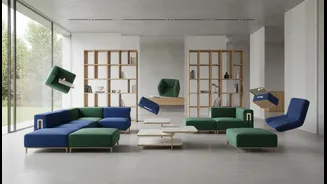
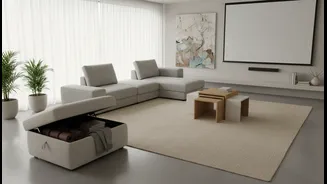
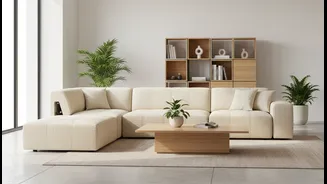
The single most important principle for renter-friendly furniture is modularity. Instead of a large, heavy sofa that may not fit through the door of your next flat, consider a modular sectional. These pieces can be reconfigured to suit different room
layouts—a three-seater can become a two-seater with an ottoman, or an L-shape can be split into separate seats. This adaptability extends to shelving and storage as well. Modular cube storage or small bookcases are far more versatile than one enormous bookshelf. They can be stacked vertically in a room with high ceilings or arranged horizontally below a window, ensuring they fit no matter the dimensions of your next space.
Prioritise Portability and Durability
A piece of furniture's true cost reveals itself during a move. Heavy, cumbersome items often require professional movers and risk damage with every relocation. Look for furniture made from lightweight yet sturdy materials like aluminium or certain woods. More importantly, prioritise items that can be easily disassembled and reassembled. A well-designed bed frame that comes apart without stripping screws or a dining table with removable legs is an investment in future convenience. High-quality construction is crucial; pieces made from solid wood or with strong metal frames are more likely to survive multiple moves compared to cheaper particleboard alternatives.
Embrace Multi-Functional Design
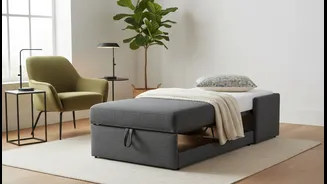
In rental living, where space is often at a premium, every piece of furniture should work hard. Multi-functional items are a renter’s best friend. A sofa bed provides comfortable seating and a guest sleeping solution in one. A storage ottoman offers a place to put your feet up, extra seating for guests, and a hidden spot for blankets or magazines. An extendable dining table is another smart choice; it can stay compact for daily meals but expand to accommodate friends for a dinner party, making it useful in both a small studio and a larger dining area down the line. Even small chests of drawers can serve multiple purposes, acting as a nightstand, a small buffet, or entry-way storage.
Invest in a Neutral Foundation
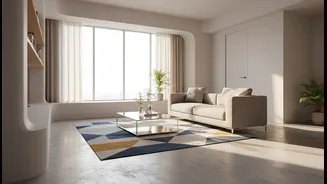
While that bright, trendy sofa might look perfect in your current apartment, it could clash dramatically with the flooring or wall colour in your next one. When it comes to big-ticket items like sofas, beds, and large storage units, sticking to a neutral colour palette—think grey, beige, white, or navy—is a wise long-term strategy. These tones are timeless and can be easily adapted to any new decor scheme with the help of colourful cushions, throws, art, and rugs. A classic leather sofa, for example, is not only durable and easy to clean but also has a timeless appeal that works in almost any setting, from modern to traditional.
Measure for the Future, Not Just for Today
Before buying any piece of furniture, measure your current space carefully. But don't stop there. Think about standard room dimensions. While you can't predict the exact layout of your next home, you can avoid purchasing oversized items that will be difficult to place anywhere. Pay close attention to the width of doorways, hallways, and stairwells—the paths your furniture must travel during a move. A good rule of thumb for pathways within a room is to leave at least 24 to 36 inches of clearance for comfortable movement. By choosing pieces that are well-proportioned and not excessively large, you increase the odds that your furniture will feel right not just in this home, but in the next one, too.