





From Pet to Fur-Family
The driving force behind this trend is simple: our dogs are no longer just pets; they are family. This cultural shift, often called 'pet humanization', means owners are increasingly willing to invest in their dogs' health and happiness. As people become
more conscious of the health benefits of fresh, unprocessed food for themselves, they're asking a reasonable question: shouldn't their dogs get the same consideration? This has fueled a booming pet food market in India, with a marked move away from traditional homemade meals or basic kibble toward scientifically formulated products. Urban pet parents, in particular, are seeking out premium and specialized nutrition to ensure their companions thrive.
Beyond the Bag: What Are Fresh Diets?
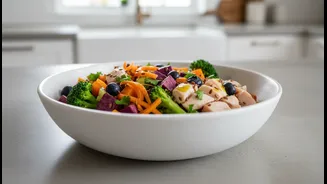
So, what exactly is a 'fresh diet'? Unlike highly processed dry kibble, fresh food is made with human-grade ingredients like lean meats, vegetables, and whole grains. These ingredients are gently cooked at low temperatures to kill pathogens while preserving nutrients, then refrigerated or frozen. The result looks more like a home-cooked meal than a bag of brown pellets. The key differentiator is minimal processing and the absence of artificial preservatives. When a diet is also 'customized' and 'vet-approved', it means the recipe is tailored by a veterinary nutritionist to a dog's specific needs—factoring in their age, breed, weight, activity level, and any health conditions like allergies or a sensitive stomach.
The Unique Needs of the Urban Dog
City life presents a unique set of challenges for dogs. Limited space for exercise can contribute to obesity, a growing concern for Indian pets. Furthermore, India's hot, humid climate and high allergen load can worsen skin problems and gut issues, especially for certain breeds. Urban dogs are also more exposed to pollution and environmental stressors. These factors make a one-size-fits-all diet less than ideal. A customized diet can address these specific issues. For example, a less active apartment dog might get a lower-calorie formula to manage weight, while a dog with itchy skin might benefit from a recipe rich in omega fatty acids. For dogs with sensitive stomachs or food allergies, a simple, fresh diet makes it easier to pinpoint and eliminate problem ingredients.
A Nutritional Upgrade in Every Bowl
The health benefits reported by owners and backed by emerging research are compelling. The most significant advantage is improved digestibility. Studies have shown that fresh food is up to 40% more digestible than kibble, meaning the body absorbs more nutrients from the food. This often leads to smaller, firmer stools—a noticeable perk for any owner. The high moisture content in fresh food also helps keep dogs hydrated. Many owners report seeing a glossier coat, healthier skin, increased energy levels, and better weight management. For picky eaters, the palatability of fresh food is often a game-changer, making mealtime exciting again.
Why 'Vet-Approved' Is Non-Negotiable
The 'vet-approved' component is crucial. While the idea of cooking for your dog is appealing, a poorly formulated homemade diet can lead to serious nutritional deficiencies. A reputable fresh food company will have board-certified veterinary nutritionists formulating their recipes to meet established standards, such as those from the Association of American Feed Control Officials (AAFCO). This ensures the meal is 'complete and balanced,' providing all the necessary vitamins and minerals your dog needs to thrive. Before making any significant dietary change, a consultation with your veterinarian is essential. They can help you assess whether a fresh diet is appropriate for your dog's specific health profile and guide you toward a reputable brand or a properly balanced recipe.