


The Problem with Excess Moisture
Baking is a science of precision. A well-written recipe contains a carefully balanced ratio of dry to wet ingredients. This balance is key to achieving the desired structure, whether it's a light, airy cake or a chewy cookie. When you introduce nuts or seeds
that are damp—either from being rinsed or from absorbing ambient humidity—you're unknowingly adding extra water to the mix. This seemingly small amount of moisture can throw off the entire formula. It can interfere with proper gluten development, leading to a texture that's gummy or overly dense rather than tender. Essentially, the unintended water content dilutes the batter, compromising the structural integrity of your final product.
For Flavour, Toasting is Essential
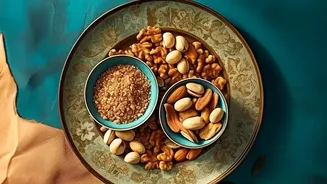
The primary reason bakers toast nuts and seeds is for flavour. Raw nuts can have a waxy, sometimes bland taste. The process of toasting brings their natural oils to the surface, triggering the Maillard reaction—a chemical process that browns the nuts and creates deep, complex, and roasted flavours. Those intensified oils don't just stay on the nuts; they also infuse the batter or dough, adding a layer of nutty nuance to every single bite. Many pastry chefs believe this step is what separates a good baked good from a great one. Simply putting raw nuts into a batter and hoping they toast during the bake is a common mistake. Embedded within the dough, they are insulated by the other ingredients and will steam rather than roast, preventing them from developing that crucial toasty flavour and crunch.
Achieving the Perfect Crunch
Beyond flavour, texture is a major reason to ensure your add-ins are dry. When raw, damp nuts are folded into a batter, they lose any chance of providing a satisfying crunch. Instead of offering a crisp contrast, they become soft and chewy as they steam inside the moist environment of the cake or cookie. Toasting dries them out and improves their texture, making them crispier. This allows them to maintain their structural integrity during the baking process, ensuring you get that delightful snap when you bite into them. A nut that has been properly toasted and cooled will stay crunchy even when suspended in a brownie or a muffin.
The Best Way to Prepare Your Nuts
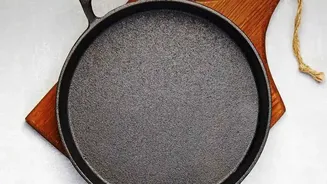
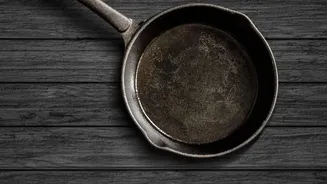
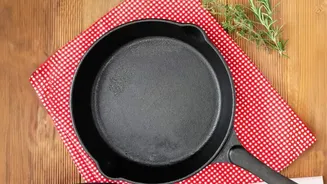
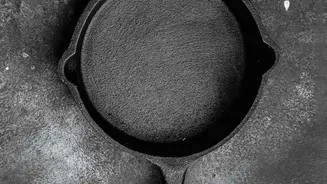
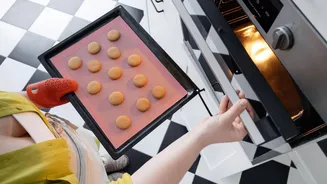
Toasting is the most effective way to both dry your nuts and seeds and enhance their flavour. The oven method is generally preferred over a skillet because it provides more even, consistent heat. To do it, preheat your oven to 175°C (350°F). Spread the nuts in a single layer on a baking sheet and roast for 5 to 10 minutes. The exact time will depend on the type and size of the nut, so rely on your nose; they are done when they smell fragrant and look a shade darker. Watch them closely, as they can go from perfectly toasted to burnt very quickly. After toasting, it is critical to let them cool completely before chopping or adding them to your batter. Hot nuts can melt ingredients like butter and sugar, negatively affecting the batter's consistency.
A Pro Tip to Prevent Sinking
Once your nuts are toasted and cooled, there is one final trick to ensure they are perfectly distributed throughout your cake, rather than congregating in a sad layer at the bottom. Take a tablespoon or two of the flour from your recipe's dry ingredients and toss the nuts in it until they are lightly coated. This light flour coating helps create a bit of friction and absorbs surface oils, allowing the batter to better grip the nuts and suspend them evenly. This technique works for nuts, chocolate chips, and dried fruits, helping you achieve a professional result where every slice has a perfect distribution of delicious add-ins.