






As the monsoon rains recede, a festive spirit awakens across India. More than just a change in weather, autumn is a vibrant season of gratitude, where the rhythm of life is dictated by the bounty of the earth and the toil of the farmer.
A Season Rooted in Gratitude
Across the diverse
cultural landscape of India, the period from September to November is synonymous with harvest. This is the time when the Kharif crops, sown at the beginning of the monsoon, are ready to be reaped. From rice and millets to maize and cotton, the fields are laden with the fruits of months of hard work. It is this fundamental act of gathering the harvest that forms the very soul of many of our most cherished autumn festivals. These are not just celebrations; they are profound expressions of thanksgiving to nature, to the gods, and to the community that laboured together. While the deities, rituals, and languages may differ from state to state, the underlying emotion is universal: a deep-seated reverence for the land and its life-sustaining produce.
Onam: The Grandeur of the Rice Harvest
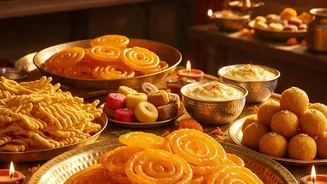
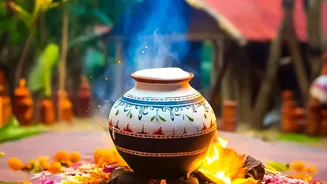
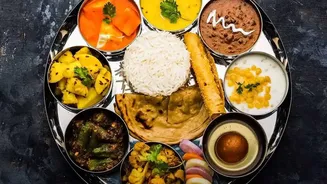
In Kerala, autumn unfurls with the grand ten-day festival of Onam. While it celebrates the homecoming of the mythical King Mahabali, its spirit is deeply intertwined with the region's primary agricultural cycle: the rice harvest. Onam marks a time of collective joy and prosperity following the strenuous months of cultivation. The elaborate 'Onam Sadhya', a multi-course vegetarian feast served on a banana leaf, is a direct reflection of this abundance. It showcases a wide array of local vegetables and, most importantly, the newly harvested rice. The intricate floral carpets known as 'Pookalam', laid out to welcome the king, use seasonal flowers that bloom in abundance during this period. Onam, therefore, is a sensory spectacle where the success of the harvest is celebrated with colour, flavour, and community feasting.
Nuakhai: Worshipping the New Crop
Moving eastward to Odisha and parts of Chhattisgarh, the connection between agriculture and festivity becomes even more direct with the festival of Nuakhai. The name itself translates to 'new food' ('nua' meaning new and 'khai' meaning food or to eat). Celebrated with great devotion, Nuakhai is centered around the worship of the first grains from the new rice paddy harvest. On an auspicious day, the freshly harvested rice is cooked and offered as 'bhog' to the local village deity, most notably Goddess Samaleswari in Sambalpur. Only after this sacred offering does the community partake in the new crop. The ritual, known as 'Nabanna', is followed by 'Nuakhai Juhar', where younger members of the family seek blessings from their elders. It’s a powerful custom that reinforces social bonds and instills a deep respect for food as a divine blessing before it becomes a means of sustenance.
Wangala: The Hundred Drums of the Garo Hills
In the verdant Garo Hills of Meghalaya, any end of agricultural year is marked by vibrant sounds of Wangala festival. Also known as 'Festival of a Hundred Drums', this post harvest celebration is a thanksgiving ceremony dedicated to Misi Saljong, sun god of fertility who is believed to be giver of agricultural bounty. For Garo tribe, Wangala signifies conclusion of period of hard work in fields and beginning of time for rest and celebration. Festival is rich cultural display featuring colourful traditional attire warrior dances and thunderous rhythmic beating of long cylindrical drums called 'dama'. This is not just music it is announcement to gods and community that harvest has been successful and granaries are full ensuring prosperity for coming year.