


Setting Up for Success
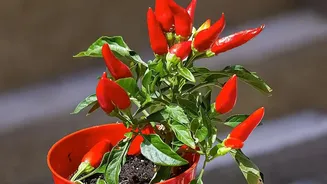
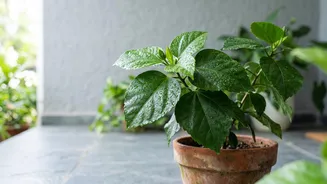
Your journey begins with the right home for your plant. Thai chillies, also known as Bird's Eye chillies, thrive in containers but need space to grow. Opt for a pot that is at least 30 cm wide and deep, ensuring it has drainage holes at the bottom. Overwatering
is a common mistake that can lead to root rot, so good drainage is non-negotiable. Fill your pot with a high-quality, well-draining potting mix. A combination of garden soil, compost, and cocopeat works wonders, providing both nutrients and the aeration roots need to breathe. Avoid using heavy garden soil alone, as it compacts easily in pots.
Sunlight and Water: The Essentials
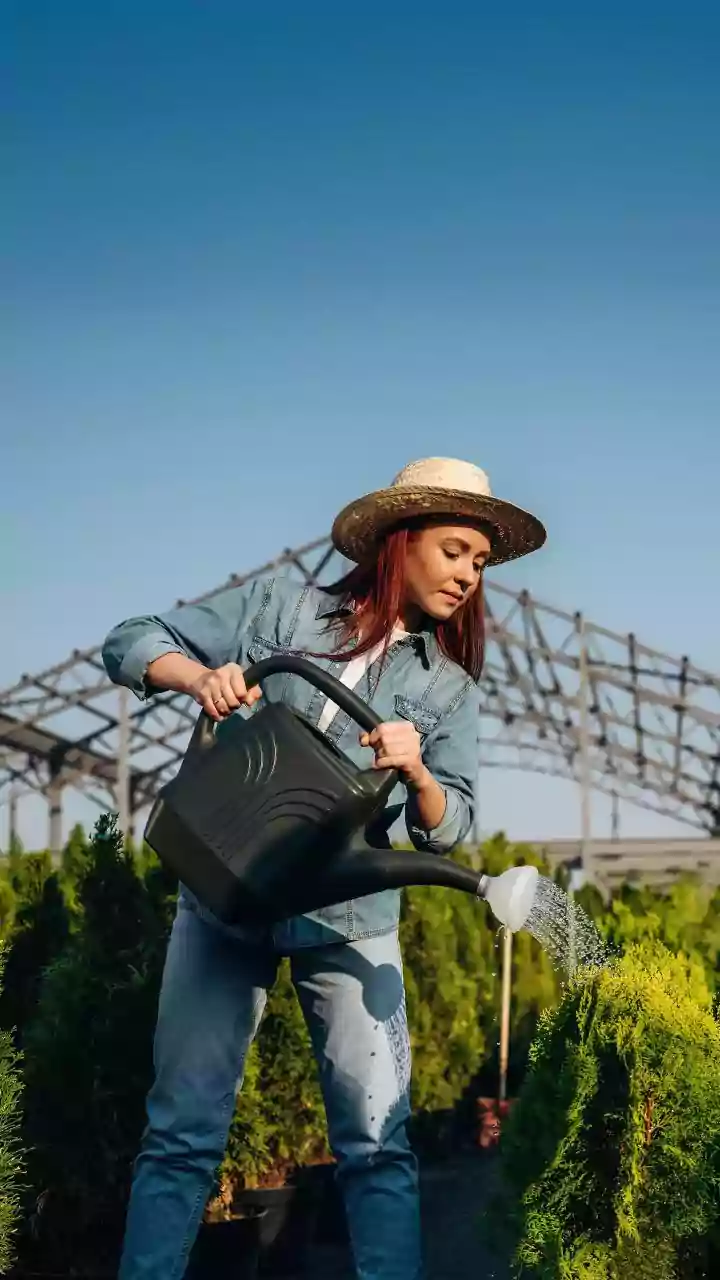
Chilli plants are sun-worshippers. Find a spot on your balcony, terrace, or windowsill that receives at least six hours of direct sunlight daily. The more sun they get, the better your fruit production will be. When it comes to watering, consistency is key. Don't let the pot become waterlogged. A good rule of thumb is to water deeply whenever the top inch of soil feels dry to the touch. Let the soil dry out slightly between waterings. In the peak of summer, you may need to water daily, but always check the soil first.
Meet the Intruders: Common Pests
Even the healthiest plants can attract unwanted guests. Being able to identify them early is the first step in protecting your precious chillies. The most common culprits are tiny insects that suck the sap from leaves and stems. Keep an eye out for aphids, which are small, pear-shaped insects that cluster on new growth. Whiteflies are another menace; they look like tiny white moths that fly up in a cloud when the plant is disturbed. You might also encounter spider mites, which are hard to see but create fine webbing on the underside of leaves, causing a stippled or spotty appearance. Finally, thrips are slender insects that can cause leaves to curl and develop silvery streaks.
Your Organic Pest-Fighting Toolkit
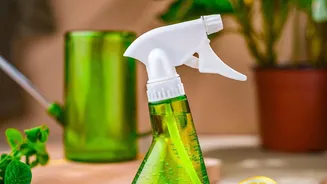
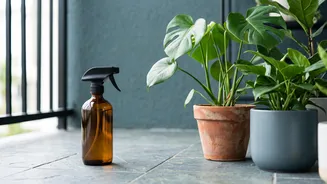
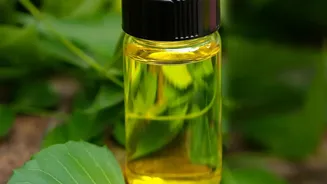
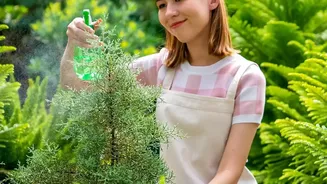
The good news is you don’t need harsh chemicals to deal with most pests. Your kitchen can provide the best defence. A simple spray made of mild liquid soap and water is highly effective against soft-bodied insects like aphids and mites. The soap helps break down their outer layer. For a more potent solution, turn to neem oil, a staple in Indian households. A diluted solution of neem oil, water, and a few drops of soap acts as a broad-spectrum repellent and insecticide. Regular weekly sprays can keep most pests at bay. Another effective home remedy is a garlic and chilli spray; the strong smell repels many insects.
Troubleshooting Other Common Issues
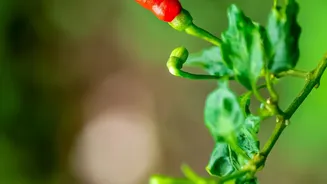
Sometimes the problem isn't pests. If you notice your plant's leaves are curling, it could be a sign of pest damage from thrips, but it can also be caused by water stress or a viral infection. Ensure your watering is consistent. If flowers are forming but then dropping off before turning into chillies, this 'blossom drop' is often caused by sudden temperature changes or inconsistent watering. Yellowing leaves can signal overwatering or a nutrient deficiency. A balanced, all-purpose liquid fertiliser, applied every few weeks during the growing season, can help ensure your plant gets the nutrients it needs to thrive.