




From Escape to Experience
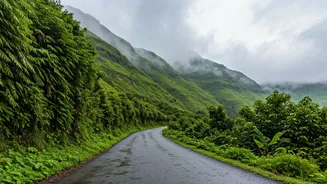
For generations, the monsoon in India has signalled a specific kind of travel: a quick drive to the hills, a weekend holed up in a resort with pakoras on tap, or a visit to a waterfall in its full, roaring glory. It was a simple, uncomplicated escape
from the heat and the city. But the modern Indian traveller is starting to redefine this seasonal ritual. The focus is slowly shifting from where to go, to why you are going. It’s no longer just about escaping the mundane; it’s about actively seeking a specific emotional or psychological outcome. This is the dawn of the mood-based, meaningful monsoon getaway.
What is a 'Mood-Based' Trip?
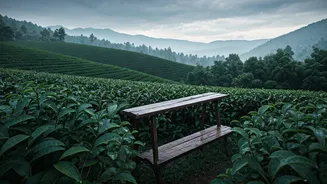
Instead of a generic itinerary, a mood-based trip is curated around a desired state of mind. It’s travel as a form of self-care, designed to address a specific need. Feeling burnt out and disconnected? A silent retreat or a digital detox in the tranquil backwaters of Kerala could be the prescription. Craving a jolt of creativity after months of staring at a screen? A pottery workshop in Andretta, Himachal Pradesh, or a writers’ retreat in Landour might be the answer. For those feeling nostalgic, it could mean a trip back to an ancestral village, reconnecting with roots and family stories amidst the lush, rain-washed landscape. These journeys are intentional. The destination and activities are chosen not for their Instagrammability, but for their potential to soothe, inspire, or rejuvenate the traveller's inner world.
The Search for 'Meaningful' Monsoon
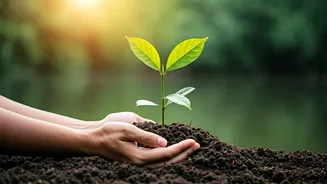
Parallel to the rise of mood-based travel is the quest for meaning. This goes beyond personal wellness and extends to connecting with the world in a more profound way. For some, a meaningful monsoon trip might involve 'voluntourism'. This could mean participating in a plantation drive in the Aravalli hills, helping with sea turtle conservation efforts on the Konkan coast, or contributing to a sustainable farming project in a place like Goa or the Western Ghats. The rain, in this context, is not an inconvenience but a vital part of the ecosystem they are helping to preserve. For others, meaning is found in cultural immersion. This could be learning a local culinary art form, staying with a host family to understand their way of life, or tracing the history of a community. The journey becomes an exchange, not just a transaction.
Why This Shift, and Why Now?
Several factors are driving this evolution in travel. The post-pandemic world has left many with a renewed appreciation for mental well-being and a deeper desire for authentic experiences. The relentless hustle of modern urban life has created a strong demand for genuine disconnection and slower, more mindful forms of leisure. The monotony of remote work has also fuelled a desire for travel that is not just a break, but a productive and enriching experience. Furthermore, a growing awareness of the impact of mass tourism has led conscientious travellers to seek out smaller, sustainable, and more impactful ways to explore. They want their travel spend to support local communities and causes they believe in, turning a simple holiday into a statement of their values.
Planning Your Own Purposeful Journey
Crafting a mood-based trip doesn't require a huge budget, but it does demand introspection. The first step is to ask yourself a simple question: “What do I need right now?” Is it peace, inspiration, connection, or adventure? Once you identify the 'mood', the destination choices become clearer. Instead of searching for “monsoon getaways near Mumbai,” you might search for “meditation retreats in Maharashtra” or “art workshops in Goa.” Look for small, local operators, boutique homestays, and social enterprises that align with your purpose. The goal is to return from your trip not just rested, but also enriched, with a new skill, a fresh perspective, or a renewed sense of purpose that lasts long after the monsoon clouds have parted.