



A Partnership Rooted in Science
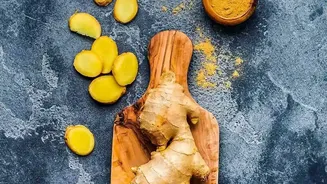
Ginger and turmeric are more than just flavourful cousins in the plant world; their true power is unlocked when they are combined. The magic lies in their bioactive compounds. Turmeric contains curcumin, a potent anti-inflammatory and antioxidant, while
ginger boasts gingerol, known for its digestive and anti-nausea properties. Studies suggest that when used together, their effects are amplified. Ginger can enhance the bioavailability of curcumin, meaning it helps your body absorb more of turmeric's goodness. To further boost this effect, it's crucial to add two more ingredients: a source of healthy fat (like coconut oil or ghee) and a pinch of black pepper. Black pepper contains piperine, a compound that can increase curcumin absorption by up to 2,000%. This dynamic combination has been a cornerstone of Ayurvedic practices for centuries, used to support digestion, boost immunity, and reduce inflammation.
1. Golden Milk (Haldi Doodh)
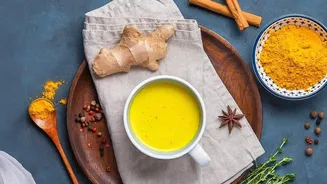
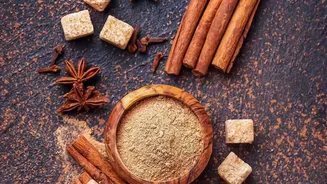
Perhaps the most famous application of this duo, Golden Milk is a warm, soothing beverage deeply rooted in Indian and Ayurvedic tradition. It's a comforting drink often enjoyed before bed to promote relaxation and support the immune system. To make it, gently warm your milk of choice (dairy or plant-based milks like coconut or almond work well) in a saucepan. Whisk in a teaspoon of ground turmeric, half a teaspoon of grated fresh ginger or ground ginger, a pinch of black pepper, and a dash of cinnamon. For a touch of sweetness, you can add honey or maple syrup. It is important not to boil the mixture, but to let it simmer gently for about 5-10 minutes to allow the flavours and beneficial compounds to infuse the milk. The fats in the milk help with the absorption of curcumin, making this a delicious and effective wellness ritual.
2. Basic Homemade Curry Powder
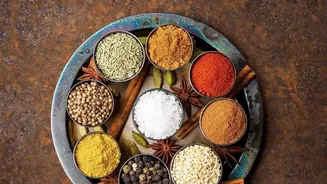
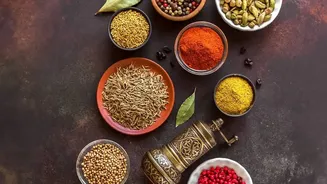
Many commercial curry powders already feature both ginger and turmeric, but making your own allows you to control the freshness and proportions. A basic Indian-style curry powder serves as a versatile foundation for countless dishes, from lentil dals to vegetable curries. To create a simple blend, combine spices like ground coriander, cumin, turmeric, and ginger in a jar. A common ratio might be 2 parts coriander, 2 parts cumin, 1 part turmeric, and 1 part ginger. Don't forget to add black pepper to the mix for that essential bioavailability boost. For extra depth, you can add other warming spices like cinnamon, cloves, or cardamom. Toasting the whole spices before grinding them releases their essential oils and results in a more aromatic and flavourful blend.
3. Jamaican Jerk Seasoning
Moving from South Asia to the Caribbean, Jamaican Jerk seasoning is another traditional blend where ginger and turmeric play a role, albeit alongside a host of other bold flavours. Jerk is known for its fiery heat and complex, aromatic profile, built on a base of allspice and Scotch bonnet peppers. While recipes vary, many authentic blends include ground ginger for its pungent warmth and a smaller amount of turmeric for its earthy notes and colour. Other key ingredients often include thyme, cinnamon, nutmeg, garlic powder, and onion powder. This blend can be used as a dry rub for meats, tofu, and vegetables, or mixed with oil and lime juice to create a potent wet marinade.
4. Moroccan Ras el Hanout
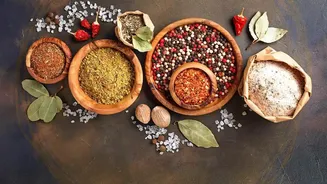
Translating to 'head of the shop,' Ras el Hanout is a complex and aromatic spice blend from North Africa that signifies the best spices a merchant has to offer. While there is no single definitive recipe, with some blends containing dozens of spices, ginger is a frequent star player, and turmeric often makes an appearance. This blend is more fragrant and warming than it is spicy-hot. It typically includes cinnamon, cumin, coriander, nutmeg, allspice, and black pepper. Ginger provides a warm, zesty kick, while turmeric adds a subtle earthy depth and golden hue. Ras el Hanout is wonderfully versatile, used to season tagines, stews, couscous, and roasted meats and vegetables.
5. Ayurvedic Digestive Tea
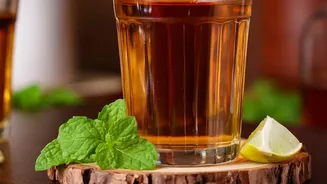
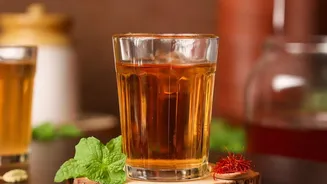
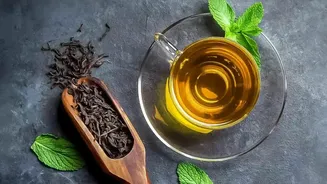
For a simple, wellness-focused application without the milk or complex blends, a basic ginger-turmeric tea is a powerful choice. In Ayurveda, both spices are considered warming and are used to stimulate 'agni' (digestive fire), making this tea excellent for supporting digestion and reducing bloating. To prepare, simply simmer thin slices of fresh ginger and fresh turmeric root (or about half a teaspoon of each, ground) in a cup of water for 5–10 minutes. Again, adding a pinch of black pepper is recommended. For added flavour, you can include a squeeze of lemon or a drop of honey once the tea has cooled slightly. This simple infusion is a perfect way to start the day or to soothe the stomach after a meal.