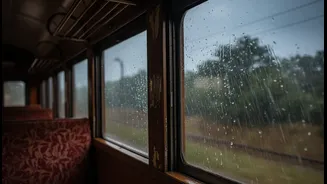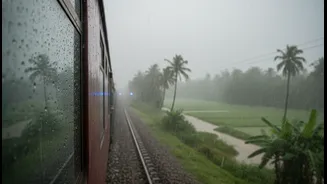





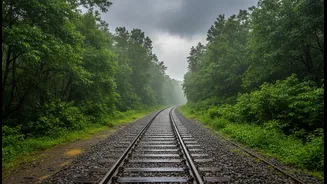
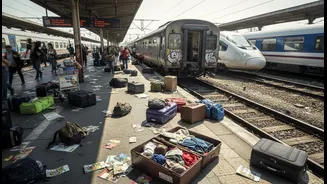


Before You Go: Plan for Disruptions
The key to a smooth monsoon journey is planning for the worst. Heavy rains frequently lead to delays, diversions, and even cancellations across the Indian Railways network. Low-lying areas are prone to waterlogging, while hilly regions like the Konkan
coast face risks of landslides. Because of this, railway authorities often implement special monsoon timetables, particularly on vulnerable routes like the Konkan Railway, which may involve reduced speeds and altered schedules. Before booking and before leaving home, always check the latest weather forecasts and advisories from the India Meteorological Department (IMD). If significant disruptions are predicted for your route, consider postponing non-essential travel.
Your Monsoon Packing Checklist
Packing smart is your first line of defence against the rain. Your luggage should include a sturdy umbrella and a lightweight raincoat. Opt for waterproof bags if possible; otherwise, invest in good-quality rain covers to protect your belongings. Use ziplock or plastic bags to create an extra layer of protection for crucial items like your phone, wallet, tickets, and other important documents. It's also a good idea to pack a spare set of clothes in a waterproof bag in case you get drenched. Other essentials include a fully charged power bank, any necessary medications, light snacks, and drinking water, as pantry services can sometimes be disrupted. Finally, choose your footwear wisely: non-slip, water-resistant shoes are essential for navigating slippery station platforms and train floors.
On Travel Day: Stay Updated
On the day of your journey, information is your most valuable asset. Train schedules can change rapidly during heavy rainfall. Use official apps and websites like the National Train Enquiry System (NTES) to get the most accurate, real-time information on your train's status, including its current location, expected delays, and platform numbers. Several other popular third-party apps like 'Where is my Train' offer reliable live tracking, with some even providing offline functionality by using cell tower data—a crucial feature when travelling through areas with poor internet connectivity. Listening to station announcements is also critical, as they will provide the latest updates on platform changes or cancellations. Arriving at the station a little earlier than usual can help you navigate any last-minute chaos without stress.
Safety at the Station and Onboard
Train stations and coaches present unique challenges during the monsoon. Platforms can be extremely slippery, so walk cautiously and avoid running. Always stay behind the yellow safety line, especially when a train is approaching, as a wet track can affect its braking. When boarding, use the handrails and be careful on the wet steps. Once inside, avoid standing near the doors. While the view may be tempting, a sudden jerk on a slippery floor could be dangerous. Be mindful of health risks as well; stagnant water can become a breeding ground for diseases. Carry hand sanitizer and consider avoiding food from unreliable vendors. If possible, order meals from FSSAI-approved e-catering services.
Navigating High-Risk Routes
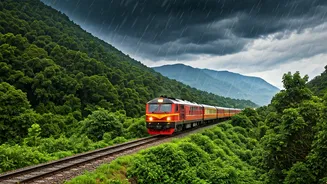
Certain railway routes are more susceptible to monsoon disruptions than others. The Konkan Railway, running through the Western Ghats, is famous for its scenic beauty but also for the risk of landslides. To ensure passenger safety, authorities enforce a special monsoon timetable from June to October, which includes reduced train speeds and intensive track patrolling. Loco pilots are instructed to slow down to 40 km/h in heavy rain and stop if visibility is too low. Similarly, parts of the Central Railway in Mumbai are located in low-lying areas that frequently flood, causing major service disruptions. If your travel involves these or other known high-risk zones, paying extra attention to advisories is non-negotiable.