



The Astronaut with a Doctor's Touch
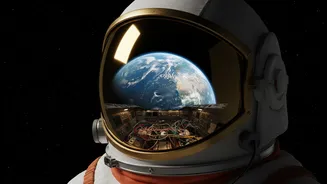
Anil Menon is uniquely qualified to face the rigors of space. Born in Minnesota to Indian and Ukrainian immigrants, his resume includes a neurobiology degree from Harvard, a master's in mechanical engineering and a medical degree from Stanford, and service
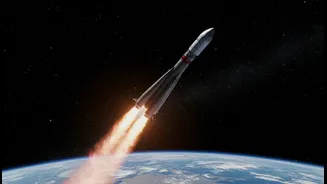
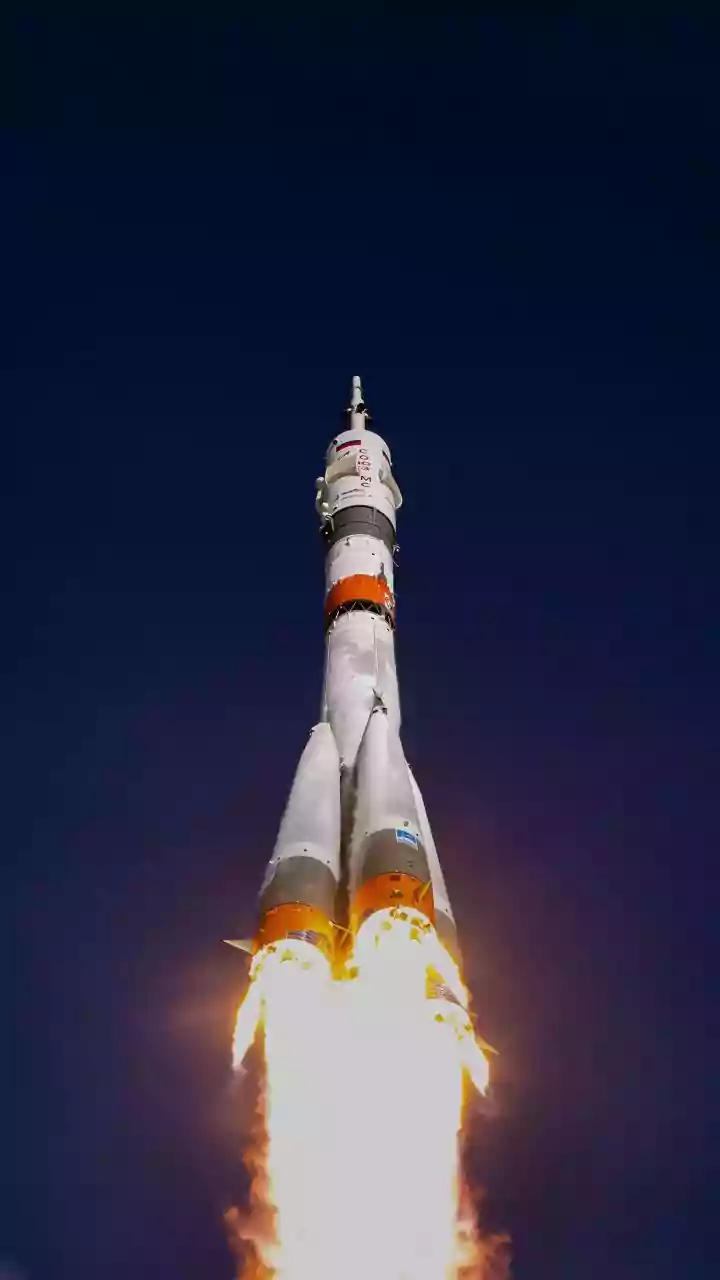
as a US Air Force flight surgeon. Before his 2021 selection as a NASA astronaut, he was SpaceX's first flight surgeon, helping build the medical systems for its historic first crewed flights. He has responded to earthquakes in Haiti and Nepal and served in Afghanistan, giving him deep experience in high-stakes environments. His diverse background makes him an ideal candidate to conduct the critical health-related experiments planned for his mission, which will see him launch aboard a Soyuz spacecraft from Kazakhstan.
The Body in a Weightless World
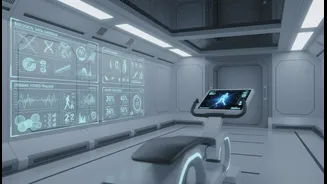
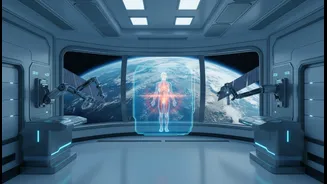
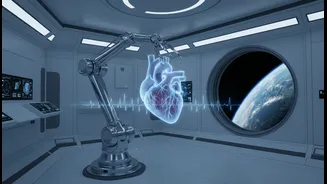
Living in microgravity is a profound shock to the human body. Without the constant pull of Earth's gravity, astronauts face a barrage of physiological changes. Bones lose density at a rate of up to 1.5% per month, a condition known as spaceflight osteopenia. Muscles, no longer needing to support body weight, begin to atrophy. The cardiovascular system adapts by shifting fluids toward the head, leading to the characteristic 'puffy face' and putting strain on the heart and blood vessels. Menon's mission includes experiments specifically studying these effects on blood flow and vein structure. Another serious concern is Spaceflight Associated Neuro-ocular Syndrome (SANS), where pressure changes in the skull can affect the optic nerve, leading to blurry vision and long-term eye problems. These medical challenges are not just academic; they are fundamental hurdles to overcome for future deep-space missions to the Moon and Mars.
The Engineering of Survival
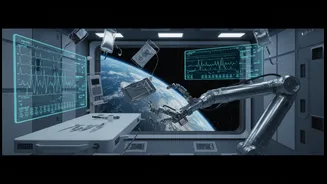
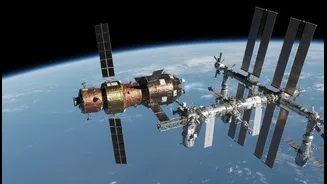
Keeping a complex machine like the ISS running smoothly 400 kilometres above Earth is a relentless engineering feat. The station, with its first module launched in 1998, is an aging structure that requires constant maintenance. Astronauts must be ready to perform complex repairs, like the 2010 failure of a crucial ammonia cooling pump or fixing a torn solar panel. Life support systems are a primary challenge, requiring robust technology to recycle air and water. One of Menon's tasks is to test technology for producing intravenous fluids from the station's drinking water, a vital capability for missions far from home. Beyond internal systems, the station faces external threats from space debris and micrometeoroids. Shielding is critical, but so is the ability to detect and sometimes even move the entire station to avoid a collision. Even simple Earth-based designs fail in space; a normal refrigerator wouldn't work because hot air doesn't rise, requiring specialized cooling systems with fans and liquid loops.
A Laboratory for the Future
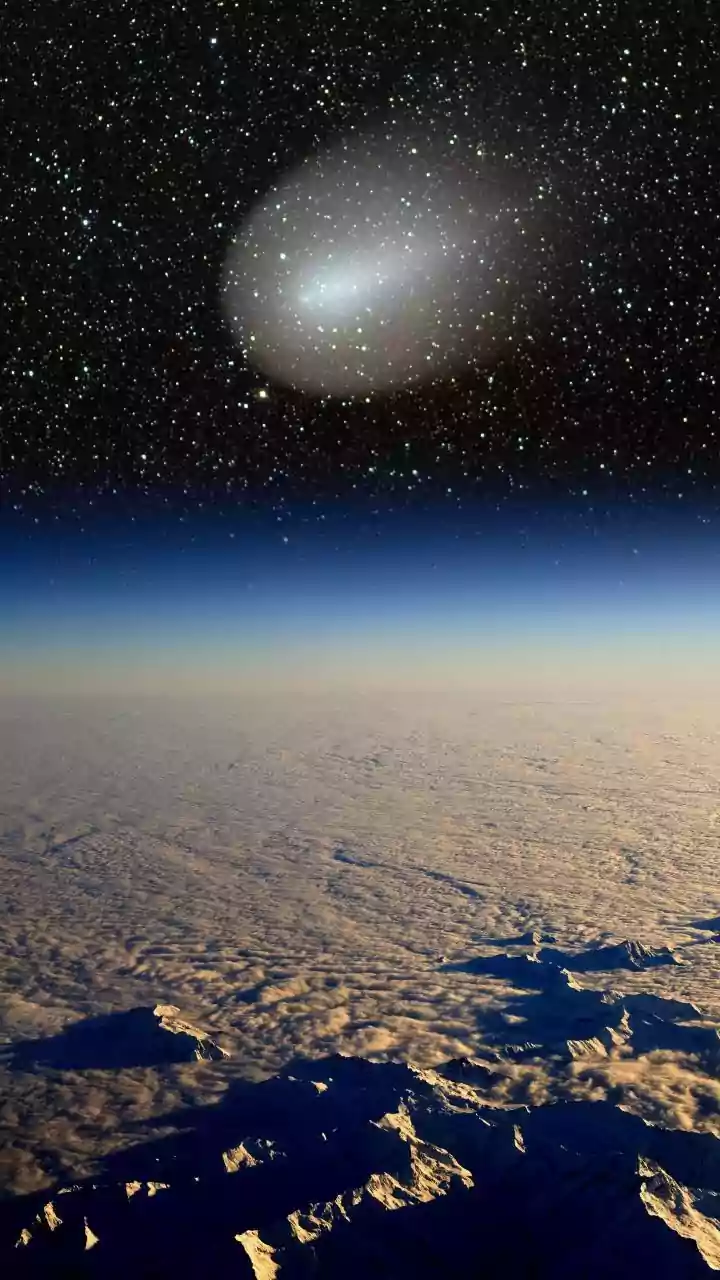
Menon’s eight-month stay is more than just a tour of duty; it is a critical part of humanity's preparation for deeper space exploration. The ISS serves as an unparalleled laboratory for testing the technologies and understanding the human factors needed for a journey to Mars. The experiments Menon will conduct, from studying his own body's response to microgravity to refining the in-space production of semiconductor crystals, will provide invaluable data. These crystals, which can be grown with fewer defects in space, are essential for high-performance computers and advanced medical devices. By pushing the limits of what’s possible on the ISS, astronauts like Menon are laying the groundwork, ensuring that when humans finally set foot on another planet, they are as safe and prepared as possible.