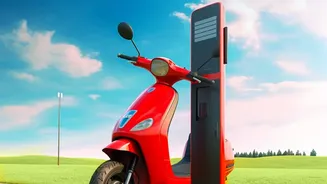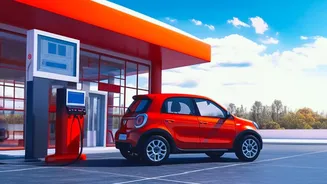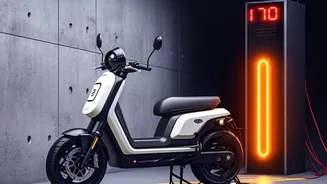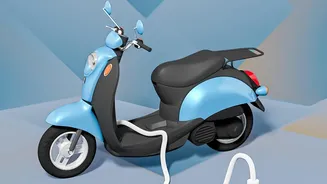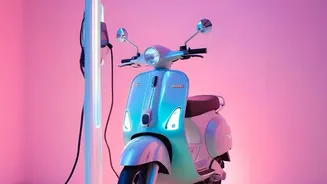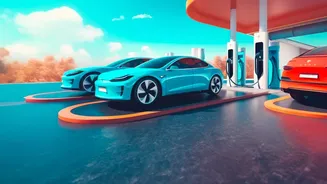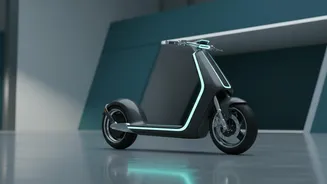

The Petrol Pump vs. The Charging Point
For decades, the Indian two-wheeler experience has been defined by a simple, five-minute ritual: pull into a petrol pump, fill the tank, pay, and ride away. It's a convenience we take for granted. The electric revolution, for all its benefits in running
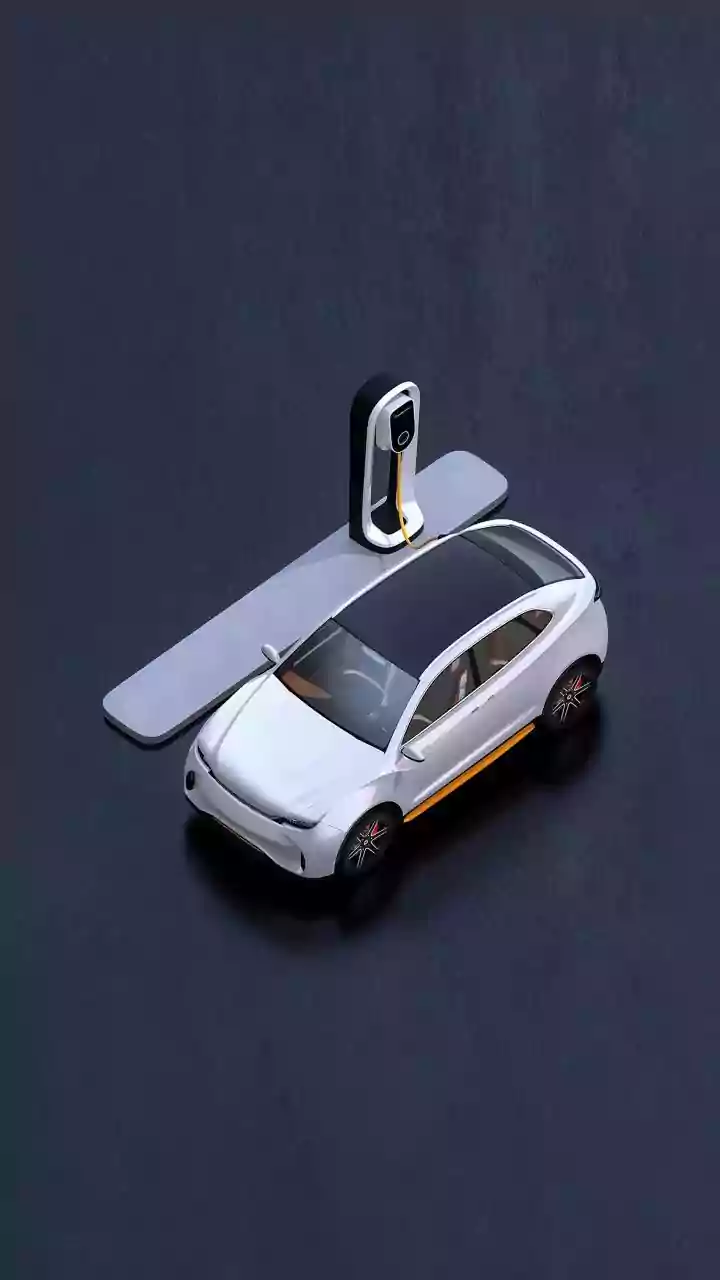
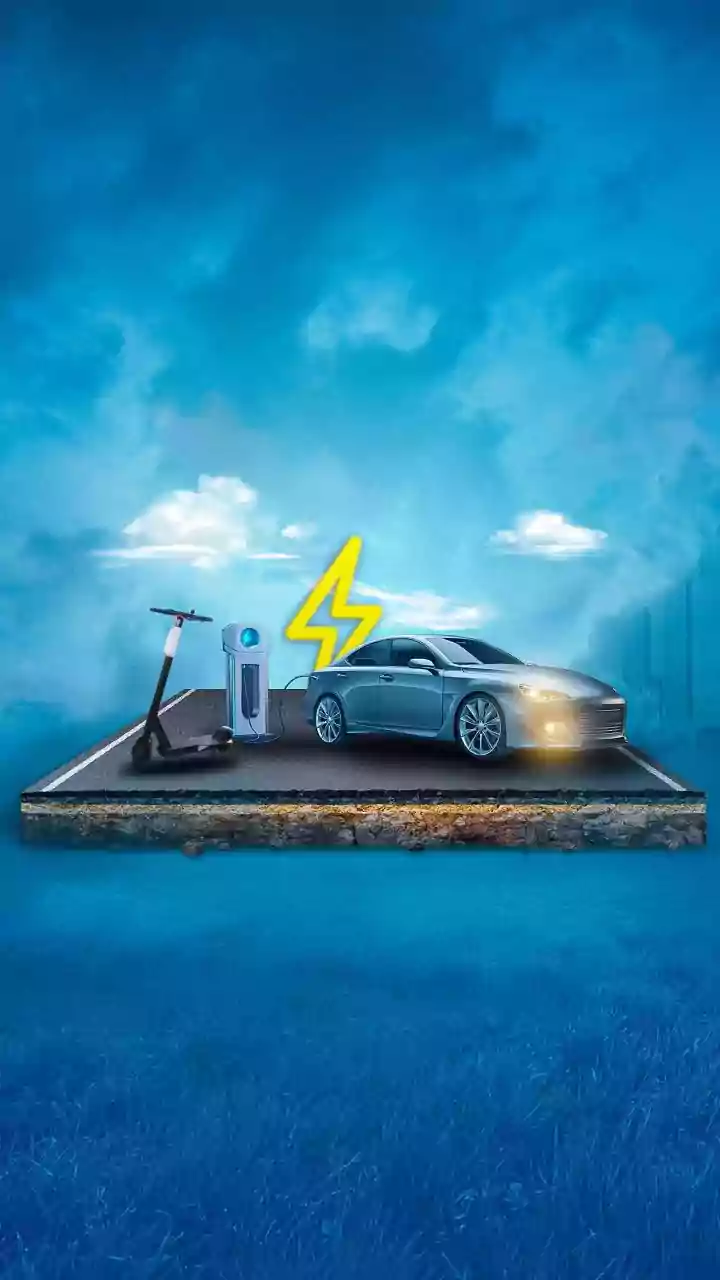
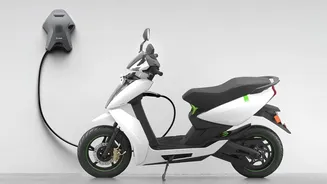
costs and environmental impact, has one major hurdle that disrupts this flow: the long wait for charging. Current electric scooters can take anywhere from three to eight hours for a full charge. Even fast chargers, which are not widely available, require a significant time commitment, fundamentally changing how riders plan their day and their journeys. This 'charging anxiety' remains the single biggest barrier for many potential EV buyers.
What Limits Today's Batteries?
The battery in most electric scooters today is a lithium-ion pack, a technology that has served us well but is reaching its physical limits, especially regarding charging speed. When you force a high-speed charge into a standard lithium-ion battery, two main problems occur. Firstly, it generates a lot of heat, which degrades the battery's health and lifespan. Secondly, it can cause the formation of tiny, branch-like structures called dendrites. These can eventually cause short circuits, reducing performance and, in rare cases, leading to safety risks like fires. To prevent this, battery management systems deliberately slow down the charging speed, especially as the battery gets closer to full. This built-in safety measure is why you're stuck waiting.
Enter the Game-Changers: Solid-State and Silicon
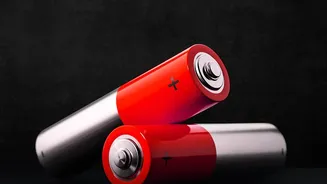
To break through this wall, scientists and engineers are moving beyond the current battery chemistry. The two most promising technologies leading the charge are solid-state and silicon-anode batteries. A solid-state battery replaces the flammable liquid electrolyte in a current battery with a solid, ceramic-like material. This solid layer is far more resistant to dendrite formation, making it inherently safer and capable of handling much faster charging speeds. Meanwhile, silicon-anode batteries tackle a different part of the problem. They replace the graphite anode with silicon, a material that can hold up to ten times more lithium ions. This not only increases energy density—meaning more range in the same size pack—but silicon's properties also allow it to absorb that charge much more rapidly than graphite.
How Fast is 'As Fast As Petrol'?
This is where the new technology truly shines. By eliminating the core limitations of current batteries, next-generation cells can achieve charging speeds that are almost unbelievable today. Solid-state battery prototypes have demonstrated the ability to charge to 80% in under 15 minutes, with some developers aiming for a complete charge in as little as 5 to 10 minutes. Similarly, advancements in stabilizing silicon anodes are unlocking sub-30-minute charging cycles. This completely transforms the ownership experience. A 10-minute top-up at a public charging station would no longer be an inconvenient, hour-long halt but a quick break, similar to a stop for petrol. The promise is clear: to reduce charging time from hours to mere minutes, effectively erasing the petrol pump's biggest advantage.
When Will This Technology Arrive in India?
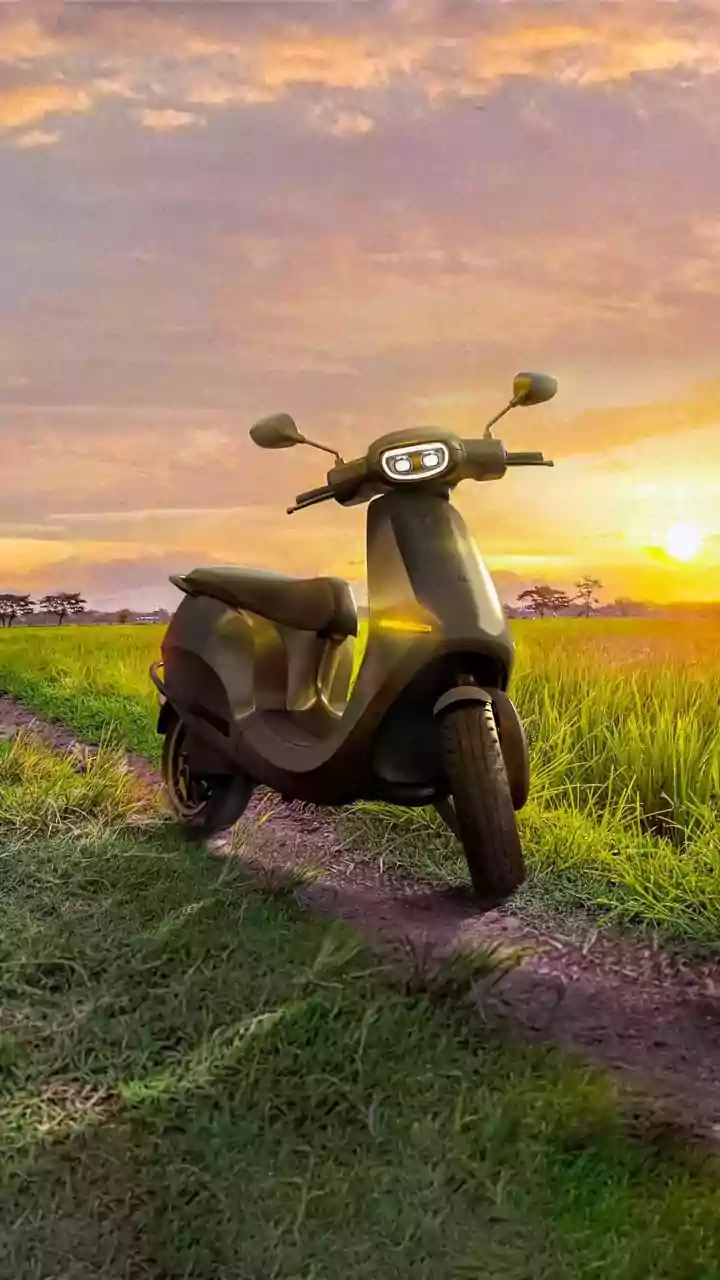
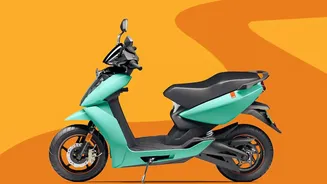
This isn't a distant, futuristic dream. The race to commercialize next-gen batteries is well underway, and Indian companies are in the thick of it. Ola Electric, one of India's largest electric scooter manufacturers, has publicly stated it is developing its own solid-state batteries. The company plans to power its vehicles with these advanced cells, produced at its own gigafactory, potentially as early as next year. While mass production still faces hurdles, particularly around reducing the high manufacturing costs, the timeline is accelerating. Global giants like Toyota are also investing heavily, with mass production targets set around 2027. For the Indian consumer, this means the first wave of ultra-fast charging scooters could be on the roads within the next couple of years, with the technology becoming more mainstream before the end of the decade.