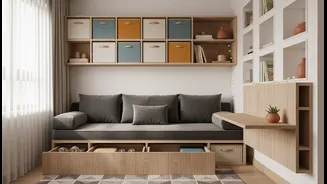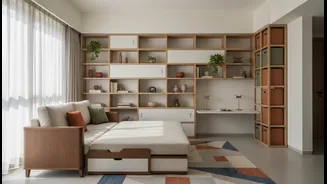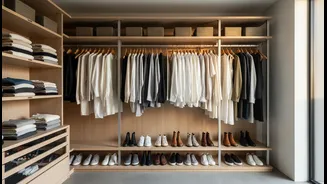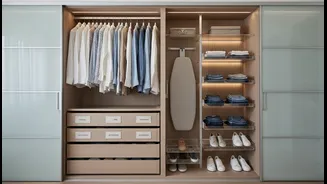





Lesson 1: Go Vertical, Not Wider
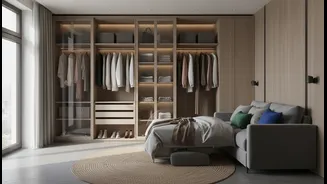
One of the golden rules of architecture in dense cities is to build up when you can't build out. This principle is a game-changer for your wardrobe. Most cupboards have wasted space above the hanging rod and below the clothes. Take advantage of this vertical
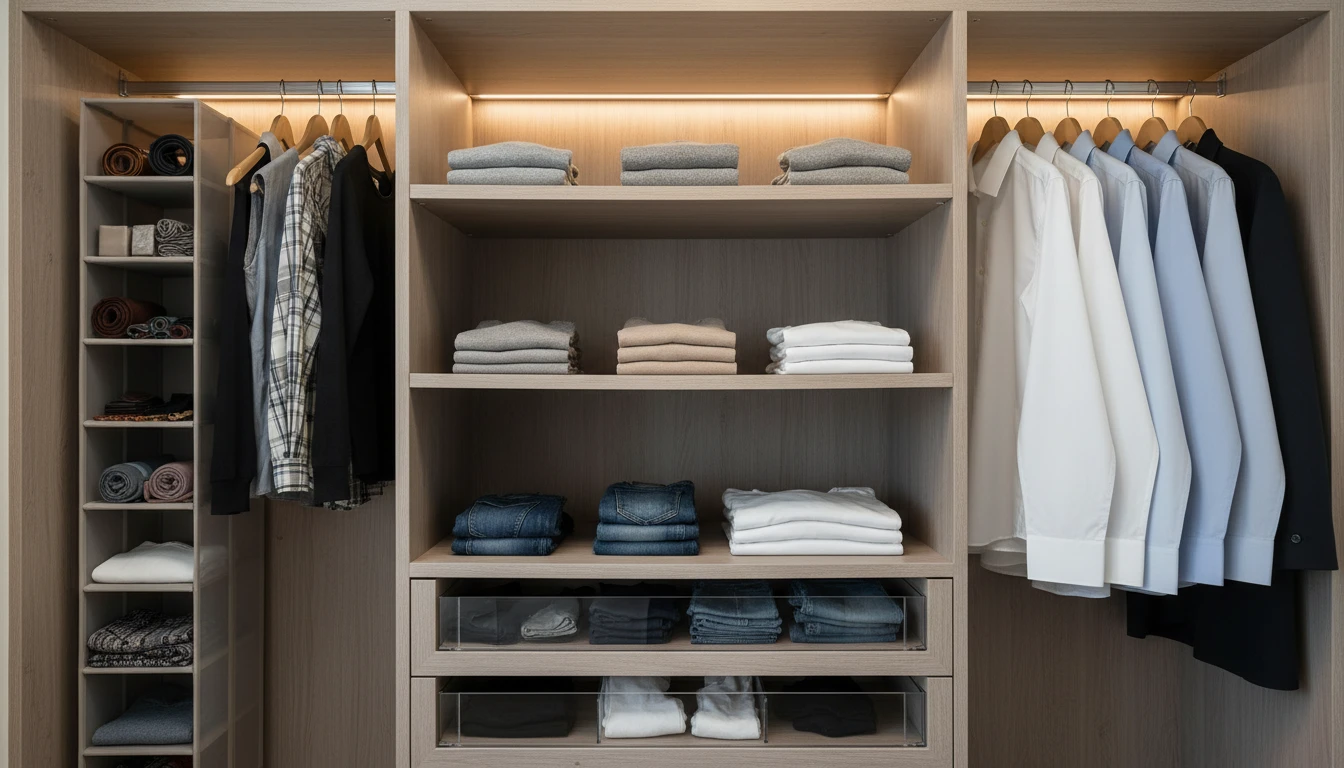
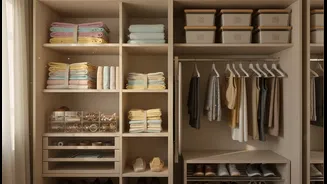
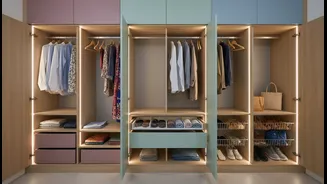
real estate. Add a second hanging rod for shirts and folded trousers, instantly doubling your hanging space. Use stackable bins on the top shelf for seasonal items like quilts or heavy woollens. Slim, hanging shelf organisers can create new compartments for folded T-shirts and accessories without taking up any floor space.
Lesson 2: Embrace Modularity and Flexibility
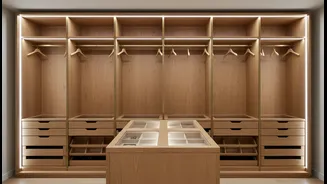
Modern interiors favour modular furniture that can be adapted to changing needs. Your wardrobe can benefit from the same thinking. Instead of fixed, immovable shelves, think in terms of adjustable and movable components. Modular drawer units or stackable plastic organisers can be configured to fit your exact needs, whether for storing innerwear, socks, or accessories. As your needs change, you can rearrange, add, or remove these units. This is far more efficient than being stuck with shelves that are too deep or too tall for what you need to store.
Lesson 3: Create Dedicated Zones
A well-designed home has clear zones: a space for cooking, a space for relaxing, a space for working. Apply this logic to your wardrobe. A chaotic closet is often one where work shirts, party wear, and gym clothes all compete for the same space. Create dedicated zones to bring order. Group all your formal shirts in one section, your kurtas in another, and casual tees in a third. Use drawer dividers to create micro-zones for smaller items like belts, scarves, and ties. This not only makes finding items easier but also simplifies the process of putting laundry away.
Lesson 4: Utilise Every Nook and Cranny
Smart home design excels at finding storage in unexpected places, like under the stairs or in narrow niches. Your wardrobe has these awkward spaces too. The inside of the wardrobe door is prime, underused real estate. Install hooks or slim over-the-door racks to hang scarves, belts, or necklaces. The floor of the wardrobe can hold a shoe rack or labelled boxes for footwear. Even the space behind stacked clothes on a deep shelf can be used for items you access less frequently; just be sure to use clear, labelled boxes for easy identification.
Lesson 5: Fold More, Hang Less
Many tiny home experts champion the philosophy of folding more and hanging less, as folded clothes take up significantly less space than hanging ones. While suits, blazers, and delicate sarees need to be hung, items like jeans, T-shirts, sweaters, and even some casual kurtas can be neatly folded or rolled. Rolling clothes, in particular, can save a surprising amount of drawer space and prevent deep creases. This frees up precious rod space for items that truly need it, reducing visual clutter and making your wardrobe feel more spacious.
Lesson 6: The 'One In, One Out' Decluttering Rule
The most efficient homes are not just well-designed; they are also clutter-free. The single most effective principle to borrow here is the 'one in, one out' rule. To prevent your newly organised wardrobe from descending back into chaos, make it a habit to let go of one old item for every new item you purchase. This forces you to regularly assess what you own and what you actually use. Regular decluttering is the foundation of any successful storage system, ensuring your wardrobe only holds the clothes that serve you well.