



The daily urban commute is a familiar scene of frustration: endless brake lights, blaring horns, and wasted hours. As cities grapple with crippling traffic, a growing number of residents are finding a two-wheeled solution to reclaim their mornings.
The Daily Grind of Gridlock
For
millions in India's metropolitan hubs, the daily commute has become a significant source of stress. Cities like Bengaluru, Mumbai, and Delhi are infamous for their traffic congestion, where drivers can spend hours each week just getting to and from work. This isn't just an inconvenience; it's a serious drain on mental and physical wellbeing. Studies have linked prolonged exposure to traffic with heightened levels of stress, anxiety, and frustration. The unpredictability of travel time creates a constant state of alert, leading to issues like sleep deprivation, increased irritability, and reduced productivity even before the workday begins. Beyond the mental toll, the financial costs of fuel, vehicle maintenance, and parking continue to climb, making the daily drive an expensive ordeal.
Reclaiming Time and Well-being
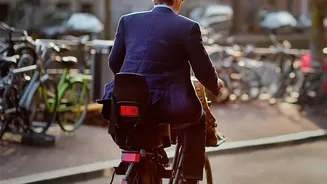
Faced with the daily chaos, many urbanites are turning to cycling not just as a mode of transport, but as an act of reclaiming control. A bicycle offers a predictable travel time for short to medium distances, often allowing riders to bypass the worst of the traffic snarls. This predictability alone can significantly reduce the daily stress associated with commuting. Furthermore, the physical act of cycling is a proven mood booster. Exercise releases endorphins and serotonin, which help combat anxiety and improve mental clarity. Instead of arriving at work feeling drained and agitated from the commute, cyclists often report feeling more energised, focused, and positive. It transforms a stressful part of the day into an opportunity for physical activity and mental decompression.
An Investment in Health and Finances
The benefits of commuter cycling extend far beyond avoiding traffic. Regular cycling is a powerful tool for improving physical health. It provides excellent cardiovascular exercise, helps in weight management, and has been linked to a lower risk of developing heart disease, high blood pressure, and diabetes. The financial savings are equally compelling. With rising fuel costs, switching to a bicycle eliminates a major recurring expense. Add to that the savings on vehicle maintenance, insurance, and exorbitant parking fees in city centres, and cycling emerges as an incredibly cost-effective choice. For many, the bicycle pays for itself within months, turning the daily commute into a long-term investment in both personal health and financial freedom.
The E-Bike: A Game Changer for Commuters
One of the most significant factors driving the cycling trend is the rise of the electric bicycle, or e_bike. E_bikes are making cycling accessible to a much broader audience by addressing common barriers like distance, hills, and the fear of arriving at work sweaty. An e_bike provides pedal assistance, giving riders a motorized boost when they need it, which makes longer commutes or challenging terrains far less daunting. The Indian e_bike market is seeing significant growth, with projections indicating a substantial increase in sales over the next few years. Their affordability compared to scooters or cars, combined with low running costs, makes them a practical and eco_friendly solution for last_mile connectivity.
Cities Are Slowly Catching Up
While individual choices are driving this shift, urban planning is also playing a role. Recognizing the benefits of non_motorized transport, some Indian cities are beginning to invest in cycling infrastructure. Initiatives like the 'India Cycles4Change Challenge' have encouraged cities to create dedicated cycle lanes, improve road safety, and launch public bicycle_sharing (PBS) systems. Cities like Pune, Ahmedabad, and Mysuru have seen a rise in cycling communities partly due to these efforts. However, challenges remain, including poorly maintained or encroached_upon cycle tracks and a transport infrastructure that still heavily prioritizes cars. Despite these hurdles, the growing demand from citizens and a policy push towards sustainable mobility suggest a slow but steady move toward more cycle_friendly urban environments.