




A Ritual of Comfort and Connection
Across India, the act of making and drinking tea transcends a simple morning wake-up call or an afternoon slump-buster. It is a cherished ritual deeply woven into the social fabric. Offering a cup of chai is a fundamental gesture of hospitality, a way
of welcoming someone into your home and space. This tradition is so ingrained that not being offered tea can be seen as unusual. The concept of “chai pe charcha” (a discussion over tea) highlights its role in fostering relaxed communication, whether in an office, a roadside stall, or a family living room. It’s a moment to pause, connect, and share, turning an ordinary break into a meaningful interaction. This shared experience is a cornerstone of Indian culture, providing a sense of comfort and continuity in a fast-paced world.
The Perfect Companions: Chai and Snacks
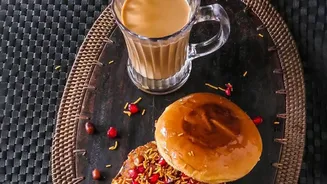
Evening chai is rarely a solo act; it is almost always accompanied by a snack, and the pairing is considered sacred. This combination isn't accidental. The warm, spiced, and milky notes of masala chai find their perfect counterpoint in something crispy, savory, and often fried. Think of the classic combinations: a steaming cup of chai with a plate of hot samosas, their crispy pastry giving way to a spiced potato filling. Or consider the magic of a rainy afternoon with chai and pakoras—vegetable fritters coated in a seasoned gram flour batter and fried to golden perfection. Every region has its own specialty. In Maharashtra, it might be a Vada Pav or crunchy Bhakarwadi, while South India offers crispy Murukku. These snacks are not just accompaniments; they are essential to the experience, creating a delightful interplay of textures and flavors that makes tea time a small, daily celebration.
More Than Taste: A Digestive Perspective
The tradition of drinking tea with snacks may also have roots in digestive wisdom. Spices commonly found in masala chai, such as ginger, cardamom, and cloves, have long been valued for their digestive properties. Ginger, for instance, can help stimulate digestion and soothe an upset stomach, while cardamom is also known to aid the process. From an Ayurvedic viewpoint, a warm, spiced beverage can help kindle the 'agni' or digestive fire. While modern science advises caution, particularly regarding the tannins in tea which can inhibit iron absorption from plant-based foods, the practice persists. Some studies suggest that tea can increase the production of saliva and other digestive juices, helping to break down food more efficiently. The spices in chai may help balance the richness of fried snacks, making the combination not just delicious but also more agreeable.
A Tradition That Endures
From bustling city chaiwallahs serving commuters to quiet family gatherings in the evening, the ritual of pairing tea with food remains a constant. It is a practice passed down through generations, embodying hospitality, comfort, and community. While modern cafes have introduced new interpretations, the core of the tradition—a hot, milky, spiced tea shared with something delicious to eat—remains unchanged. This daily habit is a reflection of a culture that values small moments of joy and connection. It’s a reminder that sometimes, the most profound experiences are found in the simplest of routines, like the perfect bite of a snack followed by a sip of warm chai. It's a practice that offers a lesson in slowing down, savoring the moment, and appreciating the simple, comforting rituals that connect us to our heritage and to each other.