




A Shift from Cool Minimalism
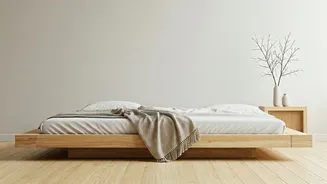
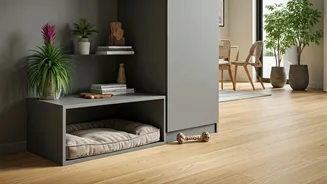
For years, interior design was dominated by the cool, clean, and often sterile aesthetic of Scandinavian minimalism. Think white walls, grey sofas, and a general lack of personal clutter. While sleek, this look can feel impersonal and cold. Gen Z, a generation
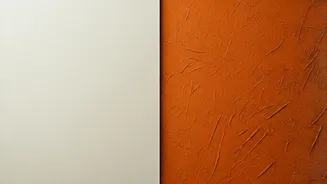
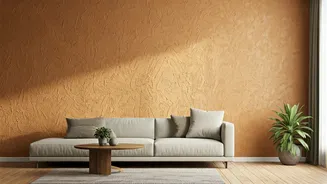
that prizes individuality and emotional connection, is pushing back. They are seeking spaces that feel like a warm hug, not a showroom. Terracotta, with its shades of burnt orange, dusty pink, and rich earth, provides an immediate sense of warmth and comfort. It transforms a generic white box—the reality for most renters—into a space that feels lived-in, cosy, and inviting from the moment you step inside.
The Allure of Imperfect Authenticity
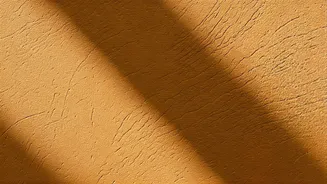
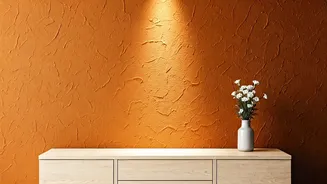
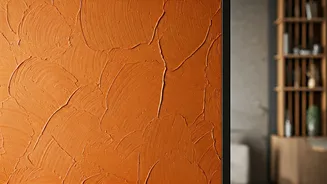
Unlike a flat coat of paint, a clay or limewash finish is all about texture and imperfection. The application process creates subtle variations in tone and a soft, chalky texture that catches the light beautifully. This hand-finished quality appeals directly to Gen Z's rejection of the overly polished, picture-perfect world often portrayed on social media. In an era of digital filters and AI-generated perfection, a wall that shows the stroke of a brush feels refreshingly real and authentic. Each wall is unique, telling a story of its creation. This ‘wabi-sabi’ approach—finding beauty in imperfection—allows renters to create a space that is genuinely their own, not a carbon copy of a Pinterest board.
Bringing the Soothing Outdoors In
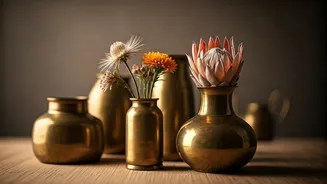
The pandemic intensified our collective need to connect with nature, and this has profoundly influenced interior design. The trend of ‘biophilic design’—incorporating natural elements into our homes—is more than just adding a few potted plants. It’s about using colours, materials, and textures that mimic the natural world. Terracotta and clay are elemental materials, evoking sun-baked earth, desert landscapes, and rustic pottery. Being surrounded by these tones can have a grounding and calming effect, reducing stress and creating a sanctuary-like atmosphere. For young people navigating the pressures of city life and constant digital connectivity, a home that feels like a natural retreat is an invaluable asset.
High-Impact, Low-Commitment Transformation
Perhaps the most practical reason for the trend's popularity among renters is its accessibility. Most rental agreements come with strict rules against major renovations. Painting, however, is often permissible and easily reversible. A terracotta wall wash is a relatively low-cost, high-impact way to completely transform a room without making permanent changes. Many are embracing DIY-friendly limewash kits and techniques, making it a weekend project that adds immense personality. It’s a savvy design choice for those who want to make their temporary house feel like a home but are mindful of their security deposit and the temporary nature of their lease.
A Modern Nod to Indian Tradition
In India, the connection to terracotta is deep-rooted and cultural. From the humble kulhad and ghada (clay pot) to the intricate terracotta temples of Bengal and the rustic charm of rural architecture, the material is woven into the country's aesthetic fabric. For young Indians, using a terracotta-hued wall wash is not just about adopting a global trend; it’s also a way of reinterpreting their own heritage in a contemporary context. It feels both worldly and familiar, bridging the gap between modern design sensibilities and traditional Indian craftsmanship. This subtle cultural resonance adds another layer of meaning, making the trend feel less like a fleeting fad and more like a timeless choice.