








From Buzzword to Lifestyle
At its core, 'routine design' is the practice of consciously structuring your day to optimise well-being, productivity, and health. It has exploded across social media, evolving from the aspirational 'that girl' aesthetic into a mainstream phenomenon.
You've seen the videos: waking at 5 a.m., journaling, lemon water, a workout, and a perfectly crafted breakfast, all before most people hit snooze. This isn't just about having a to-do list; it's about curating a sequence of habits that, in theory, lead to a better version of yourself. The appeal is powerful, suggesting that a well-designed day can be a pathway to a well-lived life. In India, this global trend is merging with a renewed interest in traditional wellness practices like Ayurveda and yoga, creating a unique hybrid of modern self-betterment.
The Psychology: A Search for Control
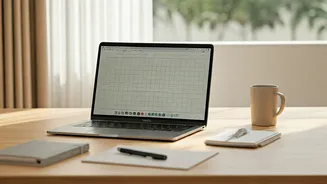
So, why are we so drawn to these meticulously planned days? Psychologists suggest that routines provide a powerful sense of stability and predictability, which can significantly reduce stress and anxiety. In a world of constant digital stimulation and uncertainty, a structured routine acts as an anchor, giving us a feeling of control over our lives. By automating daily decisions—what to eat, when to exercise—we reduce 'decision fatigue', freeing up mental energy for more complex tasks. This is especially appealing to younger generations in India who are navigating high-pressure careers and information overload. For many, designing a routine is a proactive step towards claiming agency over their well-being, shifting from a reactive approach to health to a preventive one.
The Social Media Perfection Trap
While routine design offers benefits, its portrayal on social media can be a double-edged sword. The endless scroll of flawless morning rituals can set unrealistic standards, turning inspiration into pressure. These highly aestheticised videos often mask the immense privilege and effort required to maintain such a lifestyle, from expensive wellness products to spacious, sunlit apartments. The danger lies in mistaking the 'aesthetic' of productivity for actual well-being. When we inevitably fail to replicate a 15-second, perfectly edited clip, it can lead to feelings of inadequacy and burnout rather than empowerment. The focus can shift from what feels good for you to what looks good online, creating a rigid structure that feels more like a prison than a pathway to freedom.
Making Routines Work For You
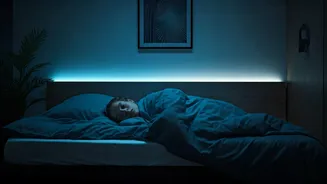
The key to healthy routine design is personalisation and flexibility. A routine should serve you, not the other way around. Start by identifying your own goals. Are you seeking more energy, better sleep, or creative space? Instead of copying an influencer's entire schedule, introduce one or two small, manageable habits. Perhaps it's a 10-minute walk in the morning or switching off screens an hour before bed. Psychologists note that celebrating small wins is crucial for motivation. A good routine should have room for spontaneity and rest. Life is unpredictable; your schedule should be robust enough to handle disruptions without causing you stress. Remember, the goal is not a perfect day every day, but a sustainable rhythm that supports your physical and mental health in the long run.