







FSSAI's Crackdown on Misleading Claims
The Food Safety and Standards Authority of India (FSSAI) has intensified its scrutiny of food labels, issuing over 150 notices to major companies for misleading advertisements and false claims. A key target has been the use of absolute terms like '100%',
'pure', and 'natural'. The regulator argues that the term '100%' is not defined in food safety laws and can create a false impression of a product's absolute purity or superiority, which can mislead consumers. This initiative covers claims made not just on packaging but also on websites, e-commerce platforms, and social media. The action is part of a broader push for transparency, forcing brands to ensure their marketing language accurately reflects what's inside the package.
The Case of '100% Fruit Juice'
One of the most common areas of confusion is fruit juice. Many products sold as '100% fruit juice' are actually made from reconstituted fruit concentrate, where the primary ingredient is water. In response, FSSAI has specifically directed companies to remove the '100% fruit juice' claim from reconstituted juice products. According to regulations, if a juice is made from concentrate, the word 'reconstituted' must appear in the ingredients list. Furthermore, if a juice contains added nutritive sweeteners beyond a certain limit (15 gm/kg), it must be labelled as 'Sweetened juice'. This move aims to help consumers differentiate between juice pressed directly from fruit and those mixed from concentrate and water.
Deconstructing '100% Whole Wheat'
Similar issues plague the bread and flour aisle. A package claiming '100% Atta' or '100% Whole Wheat' often leads shoppers to believe the product contains no refined flour (maida). However, the reality can be different. The '100%' claim might refer to the fact that the flour used is entirely whole wheat, but it doesn't always account for other ingredients in the final product. The FSSAI's crackdown targets these ambiguities to ensure that the front-of-pack claim gives an honest picture of the main ingredients. The goal is to prevent a situation where a product containing significant amounts of other flours or additives can still use a '100% whole wheat' label that misleads consumers about its composition.
Beyond '100%': Other Terms to Watch
The FSSAI's vigilance extends beyond just the '100%' claim. Terms like 'natural', 'organic', 'fresh', and 'healthy' are also under the scanner. For a product to be sold as 'organic', for instance, it must be certified and meet specific production standards under regulations like the National Program for Organic Production (NPOP) or Participatory Guarantee System for India (PGS-India). Similarly, a 'no added sugar' claim is prohibited if the product contains sugar substitutes like date syrup or fruit concentrates. These rules are designed to stop marketing terms from creating a health halo around products that may not deserve it.
How to Be a Smarter Shopper
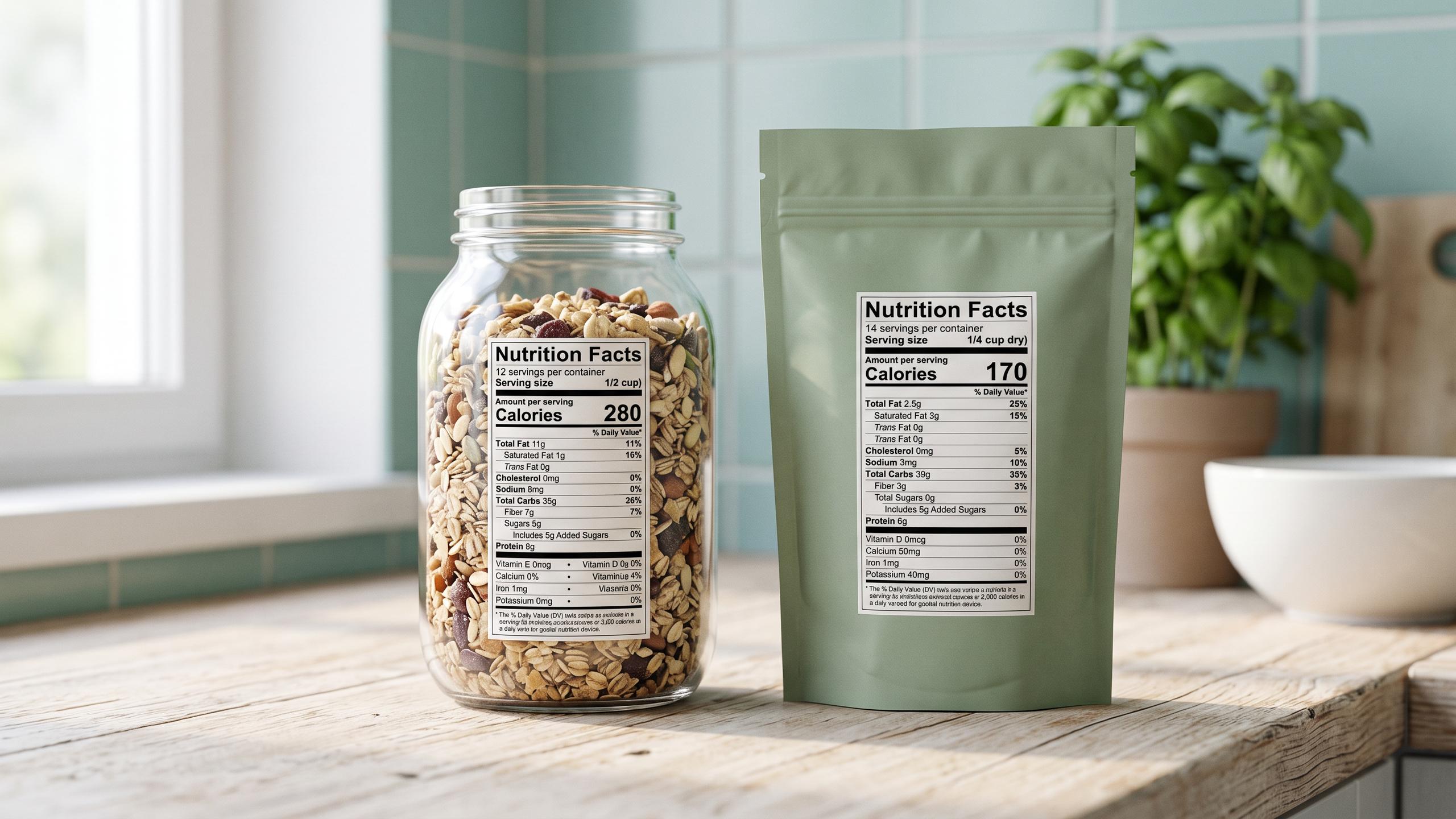
The single most powerful tool for a consumer is the habit of reading the back of the pack. Don't be swayed by attractive packaging; the real story is in the fine print. First, check the ingredients list. Ingredients are listed in descending order by weight, so the first few items make up the bulk of the product. If sugar, maida, or palm oil are at the top of the list, it's a red flag. Second, examine the nutritional information panel, paying attention to serving size, sugar content, and unhealthy fats. Finally, look for the FSSAI license number, which confirms the product complies with regulatory standards.