






Tyres: Your Connection to the Road
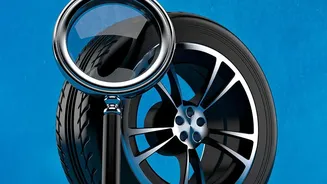
Your tyres are the single most important safety component when driving in the rain. Wet roads dramatically reduce grip, and worn-out tyres increase the risk of aquaplaning, where a layer of water builds between the rubber and the road, causing a total
loss of control. Before you leave, inspect the tread depth; it should be well above the minimum legal limit to effectively channel water away. Also, check for any visible cuts, bulges, or uneven wear, which could signal alignment problems. Finally, ensure all tyres, including the spare, are inflated to the manufacturer's recommended pressure. Proper pressure ensures optimal handling and braking performance on slippery surfaces.
Brakes: Your Ultimate Safety Net
Braking distance significantly increases on wet surfaces. Your brake system needs to be in top condition to handle the extra demand. If you've noticed any squealing, grinding, or a spongy feeling in the pedal, get your brakes inspected by a professional immediately. Water on the brake pads and discs can reduce their effectiveness. After driving through a large puddle or waterlogged area, it's a good practice to gently tap your brakes a few times to help dry them out and restore normal performance. A pre-trip check ensures that your brake fluid is at the correct level and that the pads have enough life left for your journey.
Wipers and Washers: See and Be Seen
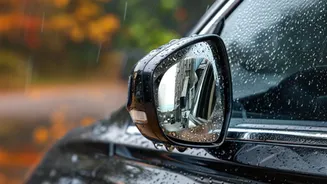
Visibility is dangerously low during a downpour. Your windscreen wipers are your first line of defence. Over the hot summer months, wiper blades can become hard, brittle, and cracked. Test them before you go. If they leave streaks, judder across the glass, or fail to clear water effectively, replace them. It's an inexpensive fix that makes a world of difference. While you're at it, top up your windshield washer fluid. A good quality washer fluid can help clear away the oily grime and mud that gets kicked up by other vehicles, ensuring you have a clear view of the road ahead.
Lights: Essential for Visibility
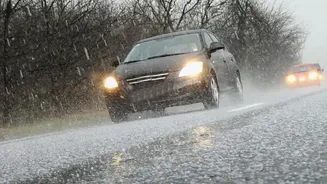
In the grey, dim conditions of a monsoon drive, your vehicle’s lights are not just for you to see, but for others to see you. Do a quick walk-around of your car. Check that your headlights (both low and high beams), tail lights, brake lights, and indicators are all functioning correctly. Ask a friend to help you check the brake lights. Hazy or yellowed headlight covers can significantly reduce brightness, so give them a good clean. Properly functioning lights are non-negotiable for navigating foggy mornings or torrential rain safely.
Battery and Electricals: Powering Your Trip
The monsoon's humidity and the increased use of wipers, lights, and the defogger put extra strain on your car’s battery. An old or weak battery is more likely to fail in wet conditions. Before your trip, check the battery terminals for any signs of corrosion—a white, crusty build-up—and make sure the connections are tight. If your battery is more than three years old or you've had trouble starting the car recently, it's wise to have it professionally tested. Also, check your car's air conditioning, as it's the most effective way to demist a fogged-up interior windshield.
Fluids and Leaks: The Lifeblood of Your Car
A quick check of your vehicle's essential fluids can prevent a major headache on the road. Ensure your engine oil, coolant, and brake fluid are all at their recommended levels. Spotting oil leaks becomes much harder on wet ground, so it's best to check for any drips under your car while it's parked on a dry surface before you leave. Maintaining correct fluid levels is crucial for engine health and performance, especially during long drives that can put extra stress on mechanical components.