

The Great Parsley Divide: Flat-Leaf vs. Curly
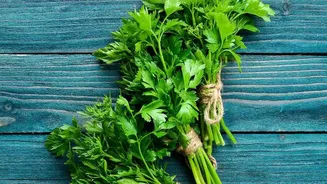
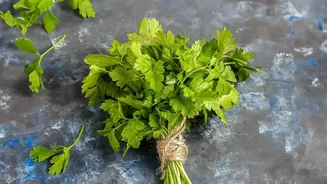
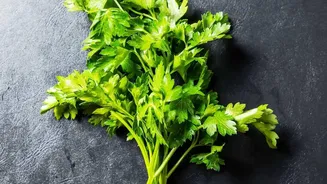
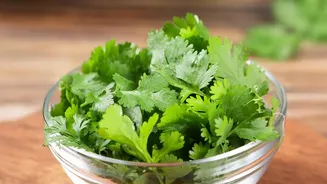
Before you start cooking, it's important to know that not all parsley is created equal. The two most common varieties are flat-leaf (Italian) parsley and curly parsley, and they have distinct differences in flavour and texture. Flat-leaf parsley has a robust,
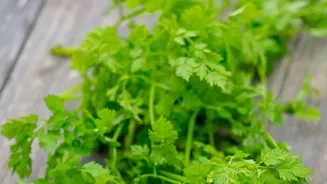
peppery taste that holds up well during cooking, making it the preferred choice for most recipes. Its smooth leaves are also easier to chop. Curly parsley, with its ruffled leaves, has a much milder, grassier flavour. While it fell out of fashion after decades of being used as a purely decorative garnish, its pleasant crunch and subtle taste make it a great addition to salads or as a finishing touch where you want texture without an overpowering herb flavour.
Timing Is Everything: When to Add Parsley
To get the most out of your parsley, when you add it to a dish matters immensely. For a fresh, bright, and peppery kick, add finely chopped fresh parsley leaves at the very end of the cooking process, or even after the dish has been removed from the heat. Heat can diminish its delicate flavour and dull its vibrant green colour. However, the stems are a different story. Don't throw them away; they are packed with flavour. Finely chopped stems can be added early on in dishes like soups and stews to build a deeper, more subtle herbaceous background note.
Elevate Your Roasted Vegetables
Roasting brings out the natural sweetness in vegetables like carrots, potatoes, cauliflower, and bell peppers. While delicious on their own, a sprinkle of fresh parsley at the end can cut through the richness and add a welcome burst of freshness. For an even bigger flavour impact, toss your hot roasted vegetables with a simple gremolata. This classic Italian condiment is made by finely chopping flat-leaf parsley with garlic and lemon zest. The combination is zesty, aromatic, and perfectly complements the caramelised notes of the vegetables.
Brighten Up Steamed and Boiled Greens
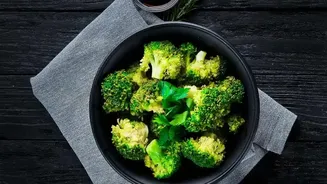
Steamed broccoli, green beans, or boiled new potatoes are simple, healthy staples, but they can sometimes feel a bit plain. This is where a generous handful of chopped parsley can work wonders. Its clean, green taste provides a beautiful contrast to simply cooked vegetables. Try tossing steamed asparagus with olive oil, lemon juice, and a shower of chopped parsley for an easy and elegant side dish. For boiled potatoes, mixing them with butter, salt, pepper, and plenty of fresh parsley is a classic combination for a reason.
Go Beyond Chopping: Make a Parsley-Based Sauce
To truly make parsley the star, transform it into a vibrant sauce. A parsley 'pesto' can be made by blending flat-leaf parsley with garlic, olive oil, and nuts like walnuts for a creamy, herbaceous sauce to drizzle over any vegetable. Another fantastic option is a chimichurri-style sauce. Traditionally from Argentina, this uncooked sauce combines finely chopped parsley with garlic, red wine vinegar, olive oil, and a pinch of red pepper flakes. It's a tangy, powerful condiment that is absolutely spectacular spooned over grilled or roasted vegetables, adding a layer of complex flavour that is hard to beat.
Add Depth to Soups and Stews
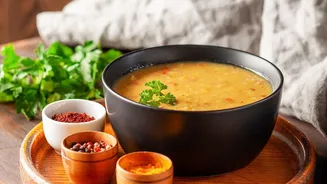
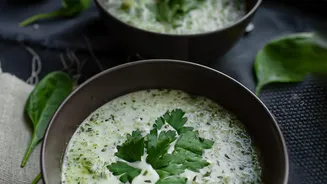
Parsley is an essential ingredient in many vegetable soups and stews, where it can play two different roles. Use the flavourful stems at the beginning of the cooking process, adding them to the pot along with onions, carrots, and celery to build a flavourful base for your broth. You can tie them with other herbs like thyme and a bay leaf to create a 'bouquet garni' that is easy to remove later. Then, just before serving, stir in a generous amount of chopped fresh parsley leaves to add a final burst of fresh flavour and colour, brightening up the entire dish.