




From The Iron Cage To Open Air
Powerlifting is an incredible discipline. It builds raw strength, cultivates focus, and forges a powerful physique. The ritual of chalking up, gripping the knurled bar, and moving immense weight is a testament to human will. But for many, the gym environment
can start to feel like a cage—a sterile, climate-controlled box filled with repetitive movements. The goals are numerical: a new personal record, a heavier lift. While admirable, this can lead to a disconnect from the simple joy of movement itself. Trading this controlled environment for a sprawling park isn't just a change of scenery; it's a fundamental shift in philosophy. It’s about moving from conquering weights to collaborating with the world around you, letting your body adapt to uneven terrain, fresh air, and the warmth of the sun.
Rewild Your Feet, Reawaken Your Body
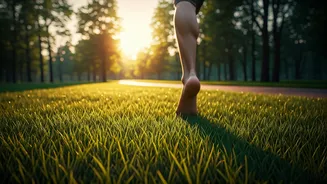
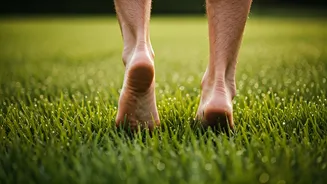
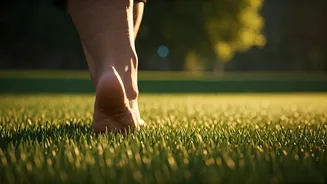
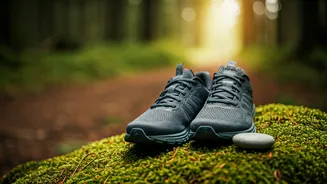
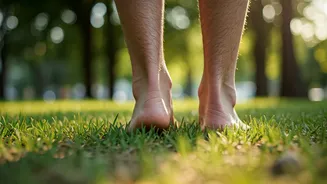
Modern running shoes are marvels of engineering, designed to cushion and support. But in doing so, they can effectively “deafen” our feet. Encased in foam and rubber, our feet lose much of their ability to feel the ground. This sensory feedback, known as proprioception, is crucial for balance, agility, and efficient movement. Barefoot running reawakens these sleeping nerves. Each step provides a wealth of information about the texture and angle of the surface, forcing your body to make micro-adjustments. Studies, including seminal work from Harvard researchers, suggest that this can encourage a more natural, lower-impact forefoot or midfoot strike, as opposed to the heel-striking pattern often promoted by cushioned shoes. Over time, this can lead to stronger arches, more resilient ankles, and a more intuitive, efficient running form. You’re not just running; you’re learning to move with intelligence and grace.
More Than Just A Workout
The benefits of this switch extend far beyond biomechanics. Exercising in nature, often called “green exercise,” has been repeatedly shown to have profound effects on mental well-being. The sensory richness of a park—the smell of damp earth, the sound of birds, the feeling of a breeze—is a powerful antidote to the stress and overstimulation of modern life. It reduces cortisol levels, boosts mood, and enhances focus more effectively than an equivalent indoor workout. You’re also getting a dose of Vitamin D, which is essential for bone health and immune function. A gym session can feel like a chore to be completed. A barefoot run in the park can feel like play, a moment of mindful escape that nourishes your soul as much as it challenges your body.
Redefining Your Idea of Strength
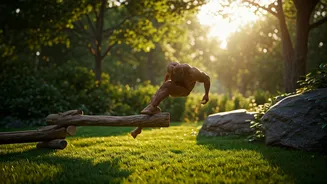
But what about strength? Can a park run truly replace a 200kg deadlift? The answer lies in redefining what “strong” means. Powerlifting builds absolute strength—the maximum force you can produce in a single effort. It’s impressive, but it’s also highly specific. Barefoot running builds a different kind of strength: functional, integrated, and resilient. It develops the dozens of small, intrinsic muscles in your feet and lower legs that are often neglected. It enhances your core stability as you navigate uneven ground. It builds tendon and ligament strength that protects you from injury in dynamic, real-world situations. This is the strength of an agile body that can react, adapt, and move freely, not just the strength to lift a heavy object in a controlled setting.
How To Start Your Journey Safely
The headline says “Today,” but the transition requires patience. Kicking off your shoes and running a 5K on concrete is a recipe for injury. Your feet and lower legs need time to adapt. Start slowly. Begin by simply walking barefoot on a soft, safe surface like a clean grassy field or a sandy beach for 15-20 minutes. Pay attention to how your feet feel. Gradually introduce short running intervals—perhaps 30 seconds of jogging followed by a minute of walking. Listen to your body. If you feel any sharp pain, stop. The goal is to build strength, not to push through pain. As you progress, you can explore minimalist shoes (or “barefoot shoes”) that offer protection from sharp objects while still allowing for natural foot movement. This gradual approach ensures your journey is sustainable and rewarding.