
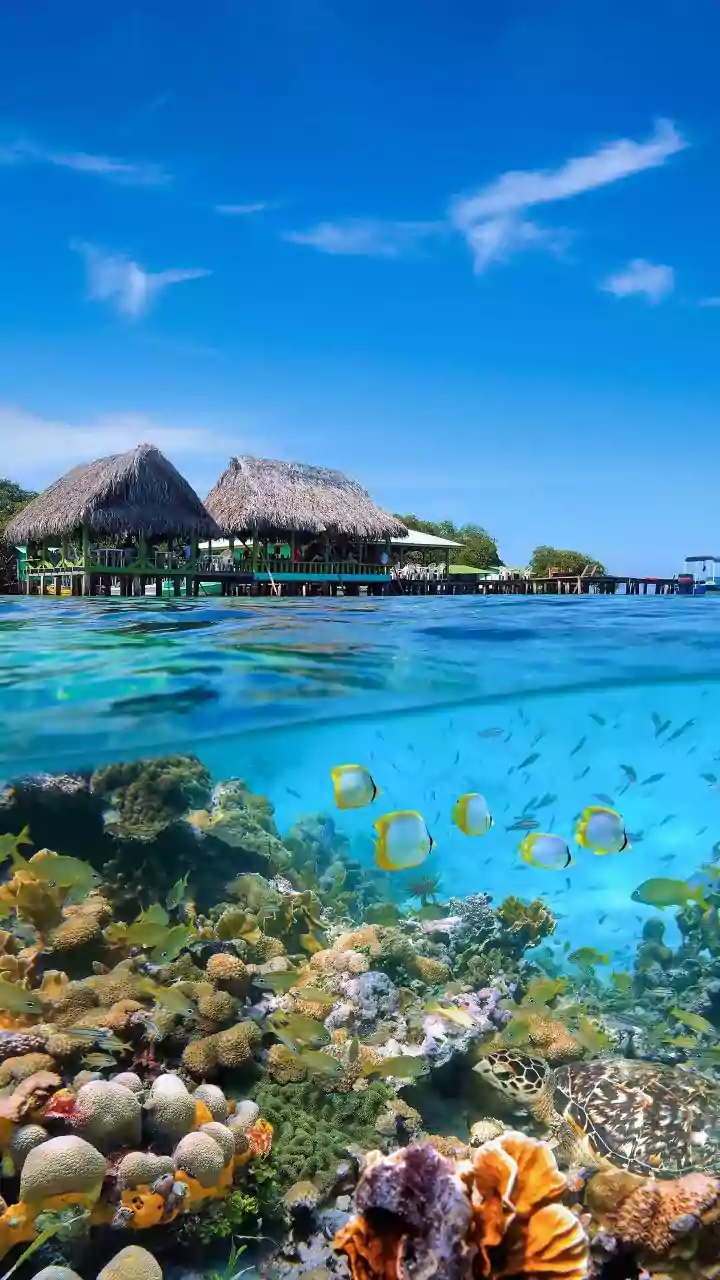

Why Autumn is the Ideal Season
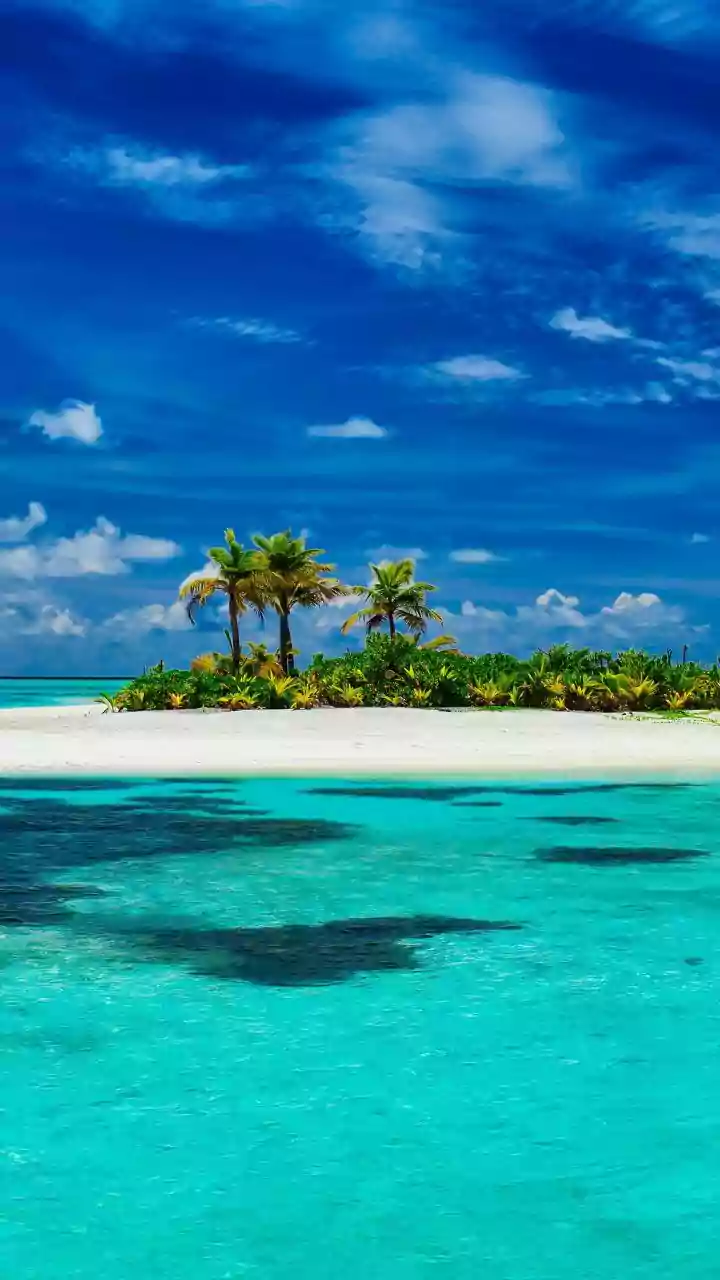
The best time to visit Lakshadweep is from October to May, when the weather is pleasant and the seas are calm. Autumn, specifically from October to November, marks the beginning of this peak tourist season. Following the monsoon, the islands are lush
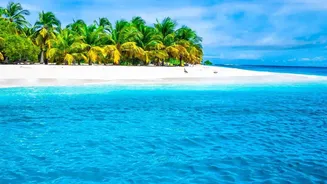
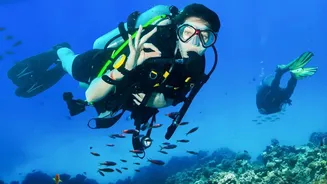
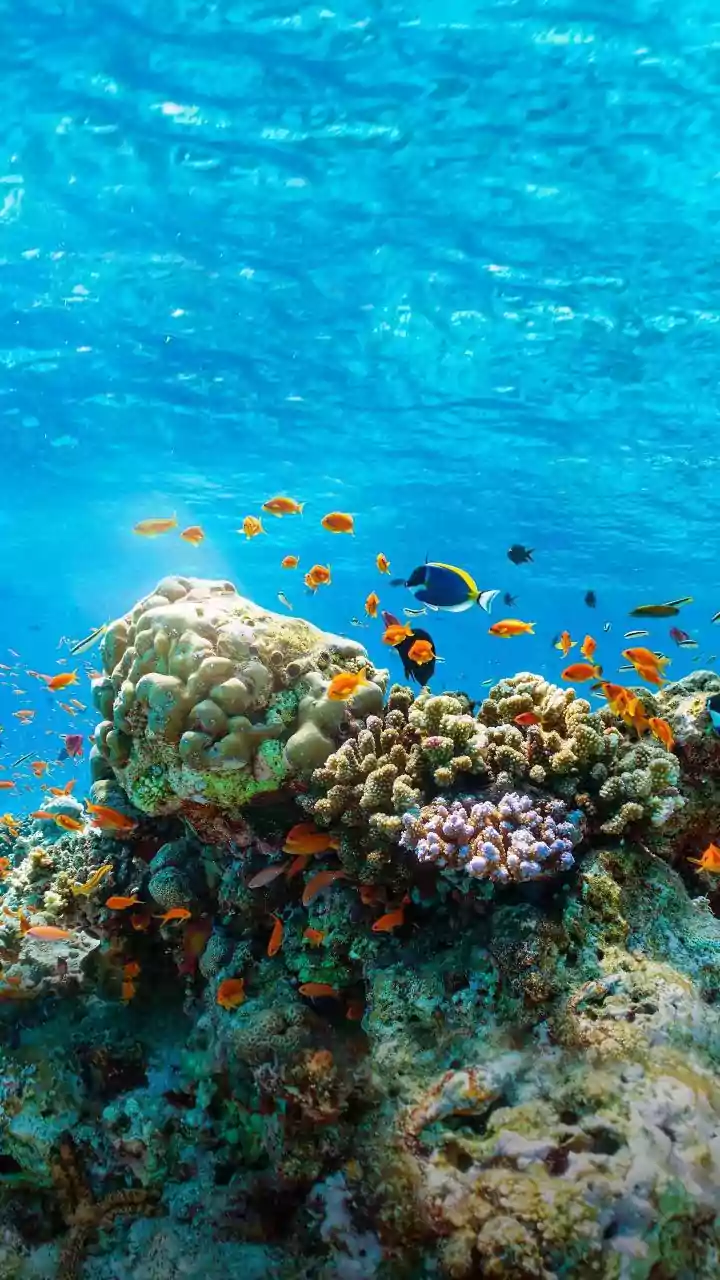
and green, the skies are clear, and the water visibility is excellent, often exceeding 20-30 meters. These conditions are perfect for water sports, especially scuba diving and snorkelling, as the underwater world is at its most vibrant and accessible. Temperatures are comfortable, typically ranging from 25°C to 30°C, making it ideal for beach activities and island exploration without the intense humidity of the summer months.
Securing Your Mandatory Entry Permit
A trip to Lakshadweep is not possible without first obtaining an entry permit, a requirement for all non-native visitors, including Indian citizens. The process is managed online through the official ePermit portal (epermit.utl.gov.in). To apply, you will need to create an account and fill out a form detailing your travel dates, the specific islands you plan to visit, and your accommodation details. You'll also need to upload scanned copies of your ID proof (like an Aadhaar card or passport) and a recent passport-sized photograph. It is crucial to apply at least 14-15 days before your travel date. Once approved, the permit allows you to visit only the islands specified in your application, so plan your itinerary carefully. Indian tourists are typically permitted to visit islands like Agatti, Bangaram, Kadmat, Kavaratti, Minicoy, and Thinnakara.
Top Scuba Diving Destinations
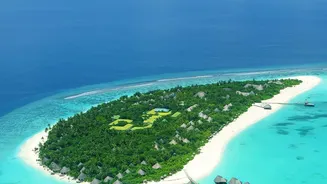
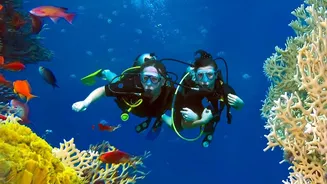
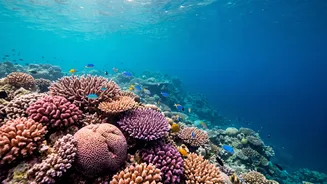
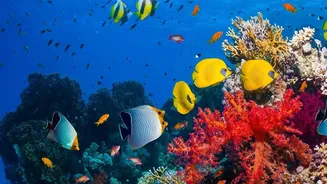
Lakshadweep is a world-class diving destination thanks to its protected marine ecosystem and incredible biodiversity. Several islands offer phenomenal underwater experiences. Agatti Island, the gateway to the archipelago, is known for its colourful coral lagoons perfect for both beginners and underwater photographers. Nearby Bangaram Atoll is another prime spot, famous for its clear waters, dramatic drop-offs, and frequent sightings of reef sharks and stingrays. For those seeking long stretches of coral reefs teeming with schools of fish, Kadmat Island is considered one of the best diving locations in India. Popular dive sites like Turtle Point and The Wall near Agatti and Bangaram offer encounters with green sea turtles, trevallies, and vibrant soft corals. Most dive centres are PADI-certified, ensuring a safe and professional experience.
Sustainable Stays and Responsible Tourism
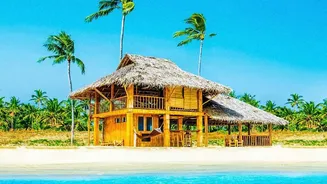
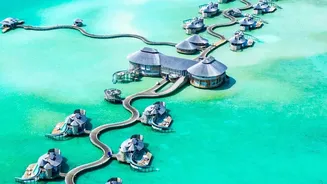
The ecological fragility of Lakshadweep makes sustainable tourism a priority. Visitors are encouraged to minimize their environmental impact by avoiding plastic, not touching or picking corals, and respecting local customs. Accommodation options are increasingly focused on eco-friendly practices. Many resorts, including government-operated properties and newer private ventures, are built with low-impact materials and powered by renewable energy sources like solar. Praveg's resorts on Thinnakara Island, for example, are noted for their commitment to sustainability, with cocoon-shaped cottages designed to blend into the environment and an emphasis on organic, local produce. Opting for eco-conscious resorts or homestays helps preserve the pristine beauty of the islands for future generations and supports the local community.
Getting There and Around
Kochi serves as the primary gateway to Lakshadweep. The fastest way to reach the islands is by air. Alliance Air operates regular flights from Kochi International Airport (COK) to Agatti Airport (AGX), the only airstrip in the archipelago. The flight takes about 90 minutes. From Agatti, you can travel to other islands like Kavaratti and Kadmat via boat or helicopter, depending on the season and availability. Alternatively, passenger ships operate from Kochi, offering a more scenic journey that takes between 14 to 18 hours. These ships provide various classes of accommodation and are a popular way to travel, especially for those on a budget or looking to experience the sea voyage. Inter-island transport primarily relies on ferries, boats, and helicopter services.